Where to Purchase Home Security Cameras: Your Ultimate Buying Guide
where to purchase home security cameras

Where to Purchase Home Security Cameras: Your Ultimate Buying Guide

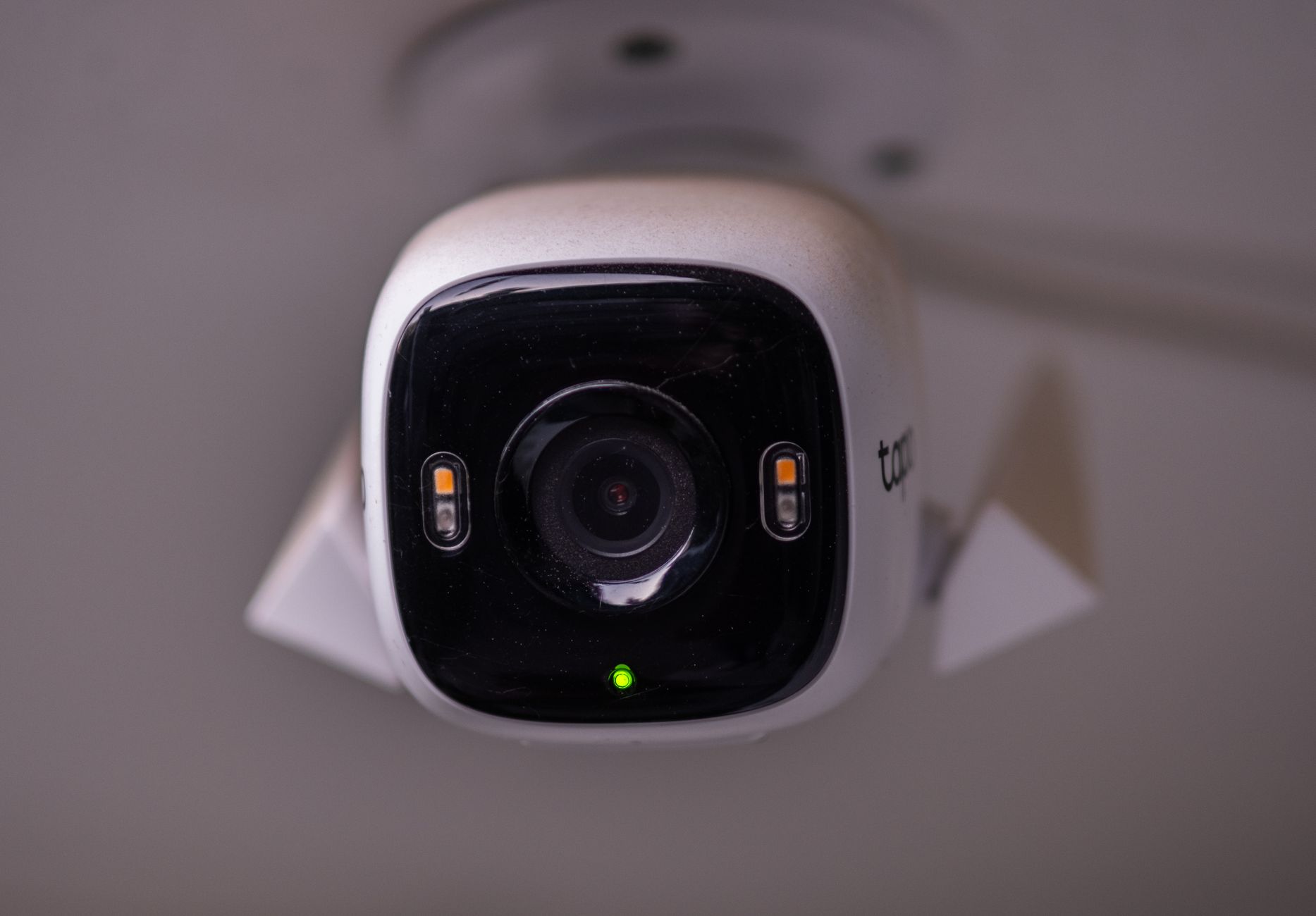
Detailed view of a modern security camera installed indoors in İzmir, Türkiye.Photo: Doğan Alpaslan Demir / Pexels

Where to Purchase Home Security Cameras: Your Ultimate Buying Guide

Secure your home with confidence by knowing exactly where to find the perfect security cameras for your needs.

Find Your Camera Now

Key Takeaways

  • ✓ Online retailers offer the widest selection and often competitive pricing for home security cameras.
  • ✓ Big-box electronics stores provide hands-on experience and immediate purchase opportunities.
  • ✓ Specialized security providers offer professional installation and integrated systems.
  • ✓ Understanding your specific needs (indoor/outdoor, wired/wireless, smart features) is crucial before buying.

How It Works

1
Assess Your Security Needs

Determine what areas you want to monitor, whether indoors or outdoors, and what specific features (e.g., night vision, motion detection, two-way audio) are important to you. This initial assessment will guide your purchasing decisions.

2
Research Camera Types & Brands

Familiarize yourself with different types of cameras (e.g., dome, bullet, doorbell, floodlight) and reputable brands. Read reviews and compare features to narrow down your options based on your budget and requirements.

3
Choose Your Retailer Channel

Decide whether you prefer the convenience and selection of online shopping, the immediate gratification and in-person advice of brick-and-mortar stores, or the comprehensive solutions of specialized security companies. Each has distinct advantages.

4
Purchase, Install, and Configure

Once you've selected your cameras and retailer, complete the purchase. Follow the manufacturer's instructions for installation and configuration, ensuring your cameras are properly positioned and connected to your home network for optimal performance.

Navigating the Digital Aisles: Online Retailers for Security Cameras

Close-up of a person using a credit card for online shopping on a laptop.Photo: Kindel Media / Pexels
When considering where to purchase home security cameras, online retailers often emerge as the most popular and versatile option. The sheer breadth of selection available at your fingertips is unmatched by any physical store. Websites like Amazon, Best Buy Online, Walmart.com, and dedicated electronics stores offer an extensive range of brands, models, and price points, catering to every possible need and budget. You can find everything from basic indoor cameras for pet monitoring to sophisticated outdoor systems with advanced AI features. The convenience of shopping from home, comparing specifications side-by-side, and reading countless user reviews before making a decision is a significant advantage. Many online platforms also provide detailed product descriptions, high-resolution images, and even video demonstrations, giving you a comprehensive understanding of what you're buying. Furthermore, online-exclusive deals and flash sales can often lead to substantial savings, making them an attractive option for budget-conscious consumers. Shipping options, including expedited delivery, mean you can often have your new security system at your doorstep within days, ready for installation. However, it's crucial to be mindful of return policies and warranty information when purchasing online, as these can vary significantly between retailers and brands. Always check the seller's reputation and read recent reviews to ensure you're buying from a trustworthy source. For instance, Amazon's vast marketplace includes third-party sellers, so verifying the seller's ratings is a good practice. Best Buy, while having a strong online presence, also allows for in-store pickup, blending the convenience of online shopping with the immediacy of a physical store. Walmart.com similarly offers a wide array of options, often at competitive prices, with the added benefit of in-store returns for many items. Specialty online retailers like B&H Photo Video or Adorama, while traditionally known for photography gear, also carry a robust selection of high-quality security cameras and surveillance equipment, often catering to more professional or prosumer needs. These sites might offer more in-depth technical specifications and customer support from knowledgeable staff. Understanding the nuances of online shopping, such as filtering by features, brand, or price, can significantly streamline your search process and help you pinpoint the perfect security camera for your home. Remember to consider not just the camera's upfront cost but also any potential subscription fees for cloud storage or advanced features, which are common with many smart home security systems. Exploring smart home integration options can further enhance your camera's utility, making online research particularly valuable. The digital marketplace is a dynamic environment, constantly updated with new products and technologies, making it an excellent starting point for anyone looking to secure their home.

Brick-and-Mortar Convenience: In-Store Options for Home Security Cameras

Two surveillance cameras mounted on a concrete wall, highlighting security technology.Photo: Scott Webb / Pexels
For those who prefer a more tactile shopping experience or need immediate assistance, brick-and-mortar stores remain a viable and often beneficial answer to where to purchase home security cameras. Big-box electronics retailers like Best Buy and Fry's Electronics (where still operational) offer dedicated sections for home security, allowing you to see and often interact with display models. This hands-on experience can be invaluable, especially for understanding camera size, build quality, and user interface if a demo unit is available. You can gauge the field of view, test two-way audio functionality, and even get a feel for the accompanying app if store associates are equipped to demonstrate it. The immediate gratification of walking out with your purchase on the same day is another significant draw, eliminating waiting times for shipping. Furthermore, in-store shopping provides the opportunity to speak directly with sales associates who can offer personalized recommendations based on your specific needs and answer any questions you might have about installation, compatibility, or features. They can help you compare different brands and models, explain the nuances of wired vs. wireless systems, or clarify cloud storage options. Home improvement stores such as Lowe's and Home Depot have also expanded their offerings in the home security sector. These stores often carry a good selection of DIY-friendly security cameras and systems, alongside all the necessary tools and accessories for installation. Their staff might have a good understanding of home integration and basic electrical considerations, which can be helpful if you're planning a more involved setup. While the selection in physical stores might not be as vast as online, the curated inventory often focuses on popular and reliable brands that are easy for the average consumer to install and operate. Warehouse clubs like Costco and Sam's Club are another avenue, frequently offering bundled security camera systems at competitive prices, often including multiple cameras and a central recording unit. These bundles can be a great value, especially for those looking to cover multiple areas of their property. However, their inventory can be seasonal or rotate frequently, so availability might not always be guaranteed. When shopping in-store, remember to come prepared with a list of your requirements and questions. While sales associates can be helpful, it’s always wise to have done some preliminary research to ensure you’re getting unbiased advice. Ask about return policies, warranty details, and any in-store support or installation services they might offer. The ability to physically inspect the product and have immediate access to customer service can make in-store purchases a less daunting experience for some, especially those who are new to home security technology.

Specialized Solutions: Security Integrators and Direct-to-Consumer Brands
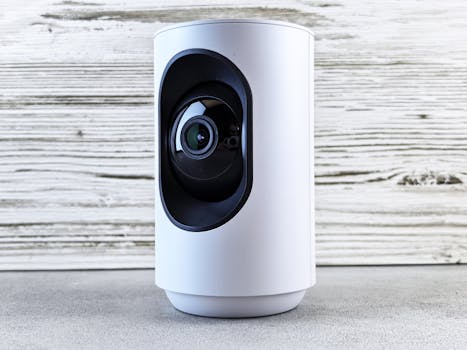
Stylish white home security camera placed on a wooden surface for indoor surveillance.Photo: Andrey Matveev / Pexels
Beyond the general retail landscape, specialized security integrators and direct-to-consumer (DTC) brands represent another critical segment when considering where to purchase home security cameras. For those requiring a more robust, professional-grade solution or a fully integrated smart home security system, a specialized security provider might be the ideal choice. Companies like ADT, Vivint, SimpliSafe, and Frontpoint offer comprehensive packages that often include not just cameras, but also alarm systems, environmental sensors, and professional monitoring services. These providers typically offer consultation, customized system design, and professional installation, ensuring that your security cameras are strategically placed and properly configured for optimal coverage and performance. While these services often come with a higher upfront cost and monthly subscription fees, they provide peace of mind through 24/7 monitoring and rapid response to alerts. The level of integration and expert support can be particularly appealing for larger homes, businesses, or individuals who prefer a hands-off approach to their security setup. These companies often use proprietary equipment designed to work seamlessly within their ecosystem, offering advanced features like AI-powered analytics, secure cloud storage, and robust encryption. It's important to thoroughly research the reputation and service contracts of such providers, as commitments can be long-term. Understanding the long-term cost of smart home security is crucial before signing any agreements. On the other hand, the rise of direct-to-consumer (DTC) brands has revolutionized the accessibility of advanced home security cameras. Companies like Ring, Arlo, Eufy, and Wyze sell their products directly through their own websites, bypassing traditional retail markups. This often translates to competitive pricing and direct access to customer support from the manufacturer. DTC brands frequently innovate rapidly, introducing new features and models more quickly than larger, more traditional companies. Their websites are usually excellent resources for product information, user guides, and community forums. Purchasing directly from the brand also ensures you receive genuine products and have clear channels for warranty claims and technical support. Many DTC cameras are designed for easy DIY installation, making them attractive to consumers who are comfortable with technology and prefer to set up their systems themselves. These brands often offer flexible subscription models for cloud storage and additional features, allowing you to tailor the service to your needs. The key advantage here is the direct relationship with the manufacturer, which can lead to better support and access to the latest software updates. However, the lack of a physical storefront means you can't inspect the product before buying, relying heavily on online reviews and product specifications. This makes thorough online research even more critical when opting for a DTC brand. Both specialized integrators and DTC brands offer distinct advantages depending on your technical comfort, budget, and desired level of security system complexity.

Critical Considerations and Avoiding Pitfalls When Buying Security Cameras

Beyond knowing where to purchase home security cameras, understanding *what* to consider and *how* to avoid common pitfalls is equally important. The market is saturated with options, and making an informed decision can save you both money and frustration in the long run. Here are crucial considerations and tips to guide your purchase: * **Define Your Needs Clearly:** Before even looking at cameras, determine if you need indoor, outdoor, or both. Do you require continuous recording, motion-activated alerts, or both? What about night vision capabilities, two-way audio, or a wide field of view? Knowing your specific requirements will significantly narrow down your choices and prevent overspending on unnecessary features or, conversely, under-buying and lacking crucial functionality. * **Wired vs. Wireless:** Wireless cameras offer easier installation and flexibility in placement, relying on Wi-Fi and often battery power. However, they can be susceptible to Wi-Fi interference and require battery changes/recharging. Wired cameras provide a more stable connection and continuous power but require more complex installation, potentially involving drilling and running cables. Each has its pros and cons depending on your home's structure and your comfort with DIY. * **Storage Options (Local vs. Cloud):** Most modern security cameras offer either local storage (SD card, NVR/DVR) or cloud storage, or a hybrid. Local storage means no monthly fees but footage can be lost if the camera is stolen or damaged. Cloud storage offers off-site backup and easy access from anywhere, but usually comes with a subscription cost. Evaluate your privacy concerns and budget when choosing. * **Resolution and Image Quality:** Look for cameras with at least 1080p (Full HD) resolution for clear footage. Higher resolutions like 2K or 4K offer even greater detail, which can be crucial for identifying faces or license plates. Don't compromise on this, as blurry footage renders a security camera largely ineffective. * **Smart Features and Ecosystems:** Consider integration with existing smart home platforms like Amazon Alexa, Google Assistant, or Apple HomeKit. Features like AI-powered person detection, facial recognition, and activity zones can significantly reduce false alarms and enhance usability. Buying into a specific brand's ecosystem can offer seamless integration and control through a single app. * **Privacy and Security:** Research how the camera manufacturer handles data privacy and encryption. Look for features like two-factor authentication for app access and secure cloud storage. A security camera should enhance your security, not create vulnerabilities. * **Installation Difficulty:** Some cameras are truly plug-and-play, while others require more technical know-how or professional installation. Be realistic about your DIY skills and budget for professional help if needed. * **Reviews and Reputation:** Always read recent customer reviews, not just product descriptions. Look for recurring complaints about reliability, app functionality, or customer support. A brand's reputation for support can be as important as the camera's features. **Common Pitfalls to Avoid:** * **Buying the Cheapest Option:** While budget-friendly cameras exist, extremely cheap options often compromise on image quality, night vision, app reliability, or data security. * **Ignoring Subscription Costs:** Many cameras are affordable upfront but require monthly subscriptions for cloud storage or advanced features. Factor these into your long-term budget. * **Underestimating Wi-Fi Needs:** Poor Wi-Fi signal can render wireless cameras useless. Ensure you have strong, stable Wi-Fi coverage in all areas where cameras will be placed. * **Overlooking Power Requirements:** Battery life varies greatly for wireless cameras. For wired options, ensure you have accessible power outlets or are prepared to run wiring. * **Forgetting About Field of View:** A camera with a narrow field of view might leave blind spots. Consider pan-and-tilt cameras or multiple fixed cameras for comprehensive coverage. By carefully considering these factors, you can make a much more informed decision on where to purchase home security cameras and ensure your investment truly enhances your home's safety.

Comparison

FeatureOnline RetailersBig-Box StoresSpecialized ProvidersDTC Brands
Selection VarietyExtensive (Best)ModerateCurated (System-focused)Good (Brand-specific)
Price CompetitivenessHigh (Often lowest)ModerateHigher (Value-added services)High (Direct pricing)
Hands-on ExperienceLimited (Consultation)
Immediate Purchase✗ (Shipping wait)✗ (Installation scheduling)✗ (Shipping wait)
Expert AdviceLimited (Reviews)Moderate (Sales staff)Extensive (System design)Good (Direct support)
InstallationDIY (Instructions)DIY (Instructions)Professional includedDIY (Instructions)
Return PolicyVaries by sellerGenerally goodContract-basedGenerally good

What Our Readers Say

5 ★★★★★

"I was overwhelmed trying to figure out where to purchase home security cameras. This guide helped me realize Amazon was perfect for my budget and need for variety. I got a great deal on a Ring system, and it was delivered quickly!"

5 ★★★★★

"After reading about the different options, I went to Best Buy to get a feel for the cameras. Being able to see the display models and talk to a sales associate made a huge difference in my decision-making process. Walked out with an Arlo system the same day."

5 ★★★★★

"I chose a specialized provider, Vivint, for my home security. Their professional installation and 24/7 monitoring, which I learned about from researching 'where to purchase home security cameras,' gave me peace of mind that I couldn't get from a DIY solution. Worth every penny."

4 ★★★★☆

"I ended up buying directly from Eufy's website, as suggested for DTC brands. The camera quality is excellent, and the direct customer support was responsive. My only minor gripe is the waiting time for shipping, but the value was undeniable."

5 ★★★★★

"For my rental property, I needed something simple and effective. Walmart.com offered a great selection of budget-friendly options, and their in-store return policy gave me confidence. I found exactly what I needed for tenant monitoring."

Frequently Asked Questions

What is the best place to purchase home security cameras for a beginner?
For beginners, online retailers like Amazon or Best Buy Online offer a vast selection with extensive customer reviews and product comparisons, making it easy to research and choose. Big-box electronics stores are also excellent as they allow you to see products in person and get advice from sales associates, which can be very helpful if you're new to home security technology.
Are security cameras purchased online as reliable as those from a physical store?
Yes, the reliability of security cameras purchased online is generally the same as those from physical stores, as they are typically from the same manufacturers. The key is to purchase from reputable online retailers or directly from well-known brand websites. Always check seller ratings and return policies to ensure a smooth experience.
How do I ensure compatibility if I'm buying cameras from different brands?
Ensuring compatibility across different brands can be challenging, as many cameras are designed to work within their own ecosystems. Look for cameras that explicitly state compatibility with universal smart home platforms like Amazon Alexa, Google Assistant, or IFTTT. Alternatively, consider purchasing a unified system from a single brand or a specialized security provider to guarantee seamless integration.
What are the hidden costs associated with home security cameras?
The primary hidden cost often comes from subscription fees for cloud storage, advanced features (like AI detection), or professional monitoring services. While many cameras offer basic features for free, unlocking their full potential often requires a monthly or annual subscription. Also, factor in potential costs for professional installation if you're not comfortable with DIY setup, and the cost of reliable internet service.
Is it better to buy a complete security system or individual cameras?
The choice depends on your needs. A complete system from a specialized provider offers integrated components, professional monitoring, and often installation, ideal for comprehensive coverage and peace of mind. Individual cameras offer flexibility and can be added piecemeal, suitable for specific monitoring needs or budget constraints. Consider your desired level of integration and monitoring before deciding.
Who should consider buying home security cameras from a specialized security provider?
Individuals seeking a comprehensive, professionally installed, and monitored security solution should consider specialized providers. This is ideal for those with larger properties, specific security concerns, or anyone who prefers a hands-off approach to setup and maintenance, ensuring 24/7 professional oversight and rapid response capabilities.
What are the privacy risks associated with home security cameras, and how can I mitigate them?
Privacy risks include unauthorized access to footage, data breaches, and misuse of shared data. Mitigate these by choosing cameras from reputable brands with strong encryption and two-factor authentication. Secure your Wi-Fi network, use strong, unique passwords, and be mindful of camera placement to avoid inadvertently recording public spaces or neighbors' property. Regularly update firmware for security patches.
What emerging trends should I look for when deciding where to purchase home security cameras?
Look for cameras with enhanced AI capabilities for more accurate person/pet detection and fewer false alarms, edge computing for faster local processing, and improved battery life for wireless models. Integration with advanced smart home ecosystems and robust privacy controls are also growing trends. Expect more cameras with 5G connectivity and solar power options for off-grid placement in the near future.

Now that you know exactly where to purchase home security cameras, from online giants to specialized providers, you're equipped to make an informed decision. Take the next step to secure your home and gain peace of mind by exploring the options that best fit your unique needs and preferences today.

Topics: where to purchase home security camerasbuy security cameras onlinebest home security camera storessecurity camera shoppinghome surveillance systems
Leo List
Brampton weed
Adultwork