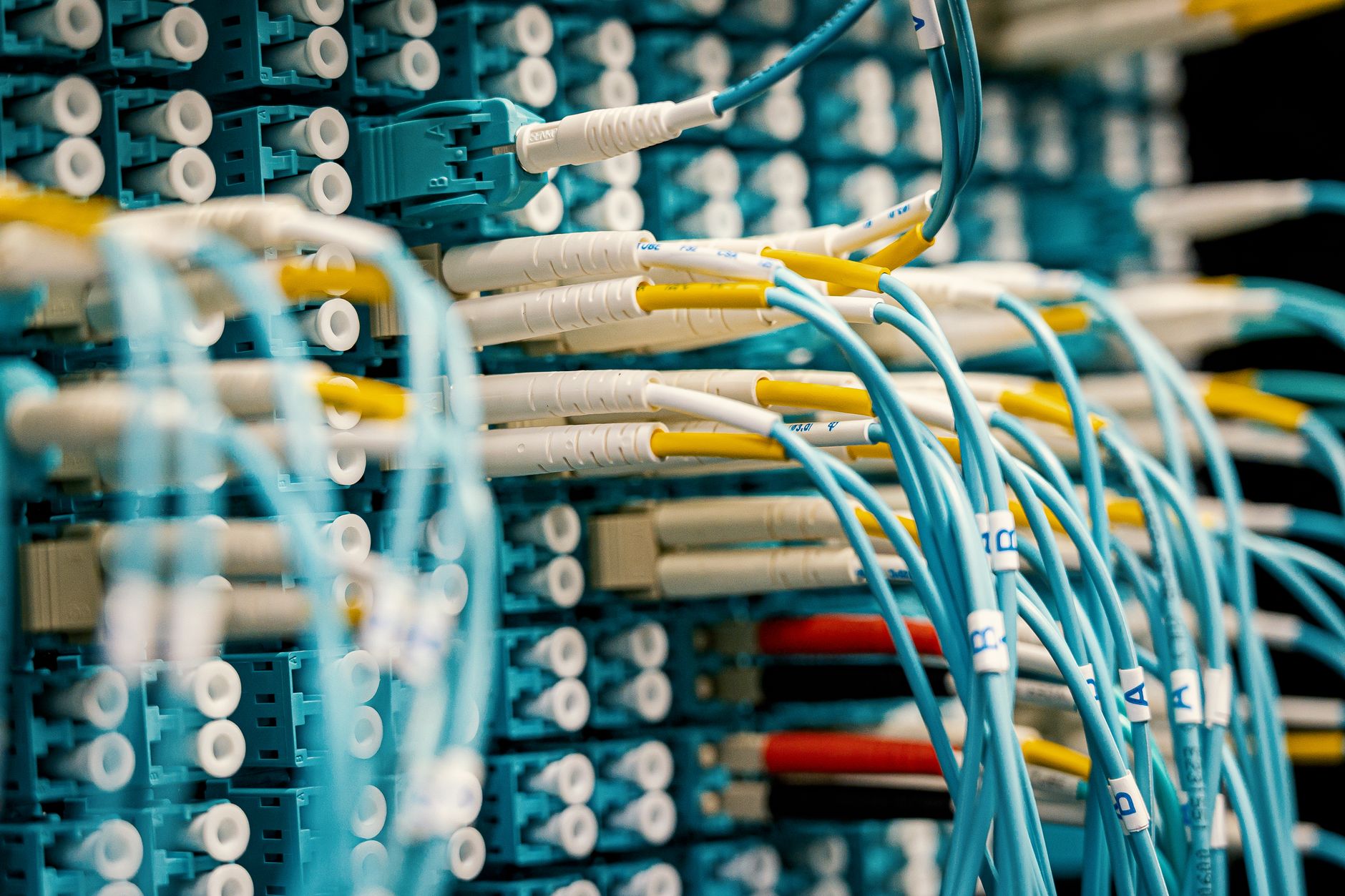
What is the Internet of Things: Your Ultimate Guide
what is the internet of things

What is the Internet of Things: Your Ultimate Guide

Explore how interconnected devices are revolutionizing homes, businesses, and cities, creating a smarter, more efficient world.

Discover IoT Now

Key Takeaways

  • ✓ IoT connects everyday objects to the internet, enabling them to send and receive data.
  • ✓ It encompasses billions of physical devices worldwide.
  • ✓ IoT facilitates automation, efficiency, and data-driven insights.
  • ✓ Key components include sensors, connectivity, data processing, and user interfaces.

How It Works

1
Sensor Data Collection

Devices embedded with sensors (temperature, motion, light, etc.) collect real-time data from their environment. This data is the raw input for any IoT system.

2
Data Transmission

The collected data is sent over a network (Wi-Fi, cellular, Bluetooth, etc.) to a central system. Gateways often act as intermediaries, translating protocols and securing the data.

3
Cloud Processing & Analysis

Once received, the data is processed, stored, and analyzed in the cloud or on edge devices. This is where insights are generated, patterns are identified, and decisions are made.

4
Action & User Interaction

Based on the analysis, actions are triggered (e.g., adjusting a thermostat, sending an alert). Users interact with the system via dashboards, apps, or smart assistants to monitor and control devices.

Unpacking the Core: Defining the Internet of Things (IoT)

A woman using a laptop navigating a contemporary data center with mirrored servers. Photo: Christina Morillo / Pexels
At its heart, the Internet of Things (IoT) refers to a vast network of physical objects — 'things' — that are embedded with sensors, software, and other technologies for the purpose of connecting and exchanging data with other devices and systems over the internet. It's a concept that transcends simple connectivity, venturing into the realm of intelligent environments where objects can 'talk' to each other and to us, without direct human intervention. Think beyond your smartphone or laptop; IoT extends to everything from smart home appliances and wearable fitness trackers to industrial machinery, autonomous vehicles, and even smart city infrastructure. The fundamental idea is to extend internet connectivity beyond standard devices to any non-internet-enabled physical object. This connection allows these objects to generate, collect, and exchange data, creating a rich tapestry of information that can be used for monitoring, analysis, and automation. The genesis of the term 'Internet of Things' is often attributed to Kevin Ashton, co-founder of the Auto-ID Center at MIT, who used it in a presentation in 1999. However, the concept of connected devices has roots going back further, with early examples like a modified Coke machine at Carnegie Mellon University in the early 1980s that could report its inventory and whether its drinks were cold. What has truly propelled IoT into the mainstream, especially in the last decade, is the confluence of several technological advancements. These include the widespread availability of low-cost, powerful microprocessors, the proliferation of wireless networks, the development of robust cloud computing platforms, and the decreasing cost of sensors. These factors have made it economically and technically feasible to embed 'intelligence' and connectivity into virtually any object. The true power of IoT isn't just in individual devices being connected, but in their collective ability to create vast datasets that, when analyzed, can yield unprecedented insights and enable profound levels of automation. This data-driven approach is transforming how we interact with our environment, our homes, and our workplaces, making them more responsive, efficient, and intelligent. Understanding these foundational elements is crucial to grasping the full scope of what is the Internet of Things and its potential impacts. The evolution of technology has been instrumental in making IoT a reality.

The Pillars of IoT: Components and Architecture
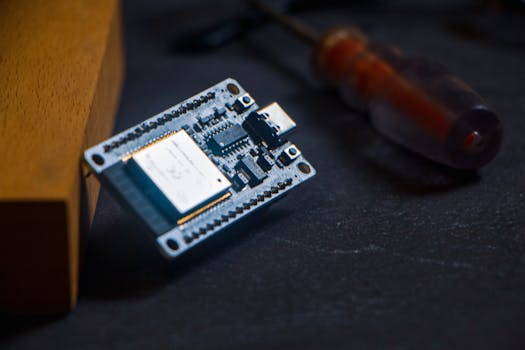
Microcontroller chip with screwdriver on dark surface, ideal for tech and innovation themes. Photo: Tanha Tamanna Syed / Pexels
To truly understand what is the Internet of Things, it’s essential to break down its core components and the architectural layers that allow it to function seamlessly. While specific implementations can vary, most IoT systems share a common fundamental structure. The first layer consists of the 'Things' themselves – the physical devices equipped with sensors and actuators. Sensors are the eyes and ears of the IoT, collecting data on everything from temperature and humidity to motion, light, and pressure. Actuators, on the other hand, are the hands and feet, enabling devices to perform actions based on received commands, such as turning lights on/off, adjusting a thermostat, or opening a valve. These devices are often designed to be low-power and cost-effective, capable of operating in various environments. The second pillar is connectivity. Once data is collected, it needs to be transmitted. This involves a diverse range of communication technologies, including Wi-Fi, Bluetooth, Zigbee, Z-Wave, cellular (4G/5G), LPWANs (LoRaWAN, NB-IoT), and even satellite for remote applications. The choice of connectivity depends on factors like range, power consumption, data rate, and cost. Often, IoT gateways act as a bridge between the local device network and the wider internet. These gateways aggregate data from multiple devices, perform initial data processing (edge computing), and securely transmit it to the cloud. They also handle protocol translation, ensuring that data from disparate devices can be understood by the central system. The third critical component is the data processing and analytics layer, typically hosted in the cloud. This is where the raw data collected from devices is stored, processed, and transformed into actionable insights. Cloud platforms provide the necessary scalability, storage, and computational power for big data analytics, machine learning, and artificial intelligence algorithms. These algorithms identify patterns, predict future events, and enable intelligent decision-making. For instance, analyzing smart meter data can predict energy consumption peaks, while factory sensor data can predict equipment failure before it happens. Finally, the user interface and application layer provide the means for humans to interact with the IoT system. This could be a mobile app, a web dashboard, voice commands via smart speakers, or integration with enterprise software. This layer allows users to monitor device status, control devices remotely, receive alerts, and visualize the insights generated from the data. These interconnected layers form a robust ecosystem that powers the diverse applications of the Internet of Things.

Transformative Applications: Where IoT is Making an Impact
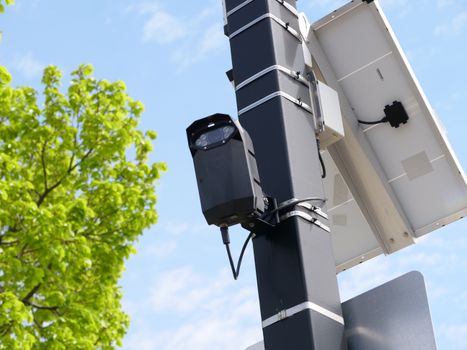
Urban surveillance camera mounted on pole with solar panel and green tree in view. Photo: Giant Asparagus / Pexels
The widespread adoption of what is the Internet of Things is not just a technological marvel; it's a profound enabler of transformation across virtually every sector. From enhancing personal convenience to revolutionizing industrial operations, IoT's applications are diverse and growing. In smart homes, IoT devices like smart thermostats, lighting systems, security cameras, and voice assistants create an interconnected ecosystem that improves comfort, energy efficiency, and security. Imagine your thermostat adjusting automatically based on your presence, or your lights turning on as you approach your door. These aren't futuristic fantasies but current realities. Beyond the home, wearable technology, from fitness trackers to smartwatches, continuously monitors health metrics, providing users with valuable insights into their well-being and even enabling remote patient monitoring for healthcare providers. This shift towards preventative and personalized healthcare is a significant benefit. Industrially, the impact of IoT is even more profound, often referred to as the Industrial Internet of Things (IIoT). In manufacturing, connected sensors monitor machinery performance, predict maintenance needs, and optimize production lines, leading to reduced downtime and increased efficiency. This predictive maintenance is a game-changer, moving from reactive repairs to proactive prevention. Supply chain management is also being revolutionized, with IoT sensors tracking goods in transit, monitoring conditions like temperature and humidity, and providing real-time location data, ensuring product quality and optimizing logistics. Smart agriculture leverages IoT for precision farming, where sensors monitor soil conditions, crop health, and livestock, optimizing irrigation, fertilization, and animal welfare, leading to higher yields and reduced resource consumption. Smart cities are another major beneficiary, using IoT to manage urban infrastructure more efficiently. Connected sensors monitor traffic flow, optimize street lighting, detect pollution levels, and manage waste collection. This leads to reduced congestion, lower energy consumption, improved public safety, and a better quality of life for residents. In retail, IoT is enabling smart shelves that track inventory, beacons that offer personalized promotions, and improved customer experience through data-driven insights. The automotive industry is integrating IoT into vehicles for enhanced safety features, predictive maintenance, and the development of autonomous driving capabilities. The sheer breadth of these applications underscores that understanding the future of technology is inextricably linked to the continued evolution and deployment of IoT solutions. The transformative potential is only limited by our imagination and innovative capacity.

Navigating the Landscape: Challenges and Future Outlook of IoT

Microcontroller chip with screwdriver on dark surface, ideal for tech and innovation themes. Photo: Tanha Tamanna Syed / Pexels
While the promise of what is the Internet of Things is immense, its widespread adoption and continued evolution are not without significant challenges. One of the foremost concerns is security. With billions of devices collecting and transmitting sensitive data, IoT systems present a vast attack surface for cybercriminals. Securing these devices, many of which have limited processing power for complex encryption, and ensuring the integrity of the data they generate is a continuous battle. A single compromised device can potentially open a gateway to an entire network. Privacy is another critical issue; as IoT devices collect vast amounts of personal data, questions arise about who owns this data, how it's used, and how it's protected from misuse. Regulatory frameworks are still catching up to the rapid pace of IoT development, creating a complex legal and ethical landscape. Interoperability is also a major hurdle. With countless manufacturers producing IoT devices, there's a lack of universal standards, leading to fragmentation. Different devices often use incompatible communication protocols or data formats, making it challenging to integrate them into a seamless ecosystem. This can hinder broad adoption and create silos of data. Scalability is another concern; as the number of connected devices explodes, managing, monitoring, and maintaining these vast networks becomes increasingly complex and resource-intensive. The sheer volume of data generated also poses challenges for storage, processing, and real-time analysis. Despite these challenges, the future of IoT is undeniably bright and poised for explosive growth. We can anticipate several key trends: * **Enhanced AI and Machine Learning at the Edge:** More processing and decision-making will occur directly on devices (edge computing) rather than solely in the cloud, reducing latency and improving efficiency. * **5G and Beyond:** The rollout of 5G networks will provide the high bandwidth and low latency necessary to support billions of IoT devices, enabling more sophisticated applications like autonomous vehicles and advanced robotics. * **Increased Focus on Security and Privacy by Design:** As awareness grows, security and privacy will be integrated into IoT devices and systems from the very beginning, rather than being an afterthought. * **Vertical-Specific IoT Solutions:** We'll see more tailored IoT solutions for specific industries, moving beyond general-purpose applications to highly optimized systems for healthcare, manufacturing, agriculture, and logistics. * **Digital Twins:** The creation of virtual replicas of physical objects or systems will become more prevalent, allowing for real-time monitoring, simulation, and optimization. The Internet of Things is not just a collection of gadgets; it's a paradigm shift in how we interact with the physical world, promising a future where our environments are more intelligent, responsive, and efficient. Overcoming the existing challenges will pave the way for an even more deeply integrated and beneficial connected world.

Comparison

FeatureSmart Home Hub (e.g., Apple HomeKit)Industrial IoT Platform (e.g., AWS IoT)Wearable Device (e.g., Fitbit)
Primary GoalHome automation & convenienceOperational efficiency & data insightsPersonal health tracking
Typical DevicesLights, thermostats, locksSensors, machinery, robotsHeart rate monitors, accelerometers
Data VolumeModerateVery HighLow to Moderate
Security NeedsHigh (personal privacy)Extremely High (operational integrity)High (personal health data)
InteroperabilityVaries (ecosystem dependent)High (integrates diverse systems)Low (often proprietary)

What Readers Say

"Understanding what is the Internet of Things has truly opened my eyes to how much technology impacts our daily lives. My smart home setup is just the beginning; it's incredible how many devices are now connected."

Sarah J. · Austin, TX

"As an IT professional, this article provided an excellent deep dive into IoT architecture. It's a complex field, and the breakdown of components was incredibly helpful for visualizing the ecosystem."

Mark D. · Chicago, IL

"I used to think IoT was just smart speakers, but this explained the vast applications in industry and cities. My company is now exploring IoT solutions, and I feel much better equipped to understand the benefits."

Emily R. · San Jose, CA

"While the potential of IoT is exciting, the security and privacy concerns highlighted are very real. It's a powerful technology, but we need robust safeguards in place for it to truly thrive."

David L. · Miami, FL

"This guide clearly articulated what is the Internet of Things, making it accessible even for someone not deeply technical. I now understand why my fitness tracker can talk to my smart scale!"

Jessica M. · Denver, CO

Frequently Asked Questions

What is the simplest definition of the Internet of Things?

The simplest definition of the Internet of Things (IoT) is a network of physical objects embedded with sensors, software, and other technologies that connect and exchange data over the internet with other devices and systems. It allows everyday objects to 'talk' to each other and to us, without direct human intervention.

Is IoT secure? What are the main risks?

IoT security is a significant concern. Main risks include data breaches due to vulnerabilities in devices or networks, unauthorized access to personal information, and potential for device hijacking for malicious purposes. Companies are working on 'security by design' principles, but users should also practice good cyber hygiene.

How do IoT devices communicate with each other?

IoT devices communicate using various wireless technologies such as Wi-Fi, Bluetooth, Zigbee, Z-Wave, cellular (4G/5G), and low-power wide-area networks (LPWANs) like LoRaWAN. The choice depends on factors like range, power consumption, data rate, and the specific application needs.

Is IoT expensive to implement for businesses?

The cost of implementing IoT for businesses varies widely depending on the scale, complexity, and specific application. While initial setup can involve hardware and software investments, the long-term benefits in terms of efficiency, cost savings, and new revenue streams often provide a significant return on investment.

How is IoT different from general internet connectivity?

General internet connectivity primarily connects human-operated devices like computers and smartphones to information and services. IoT extends this connectivity to everyday physical objects, enabling them to collect and exchange data autonomously, often without direct human input, to automate tasks and provide insights.

Who should consider using IoT technologies?

Virtually anyone can benefit from IoT. Individuals can use it for smart homes and personal health monitoring. Businesses across all sectors – manufacturing, logistics, healthcare, retail, agriculture – can leverage IoT for operational efficiency, data-driven decision making, and creating new services. Cities can use it for smarter infrastructure management.

What are the privacy implications of IoT?

IoT devices collect vast amounts of data, including personal habits, health metrics, and location. This raises significant privacy concerns regarding data ownership, how data is stored and used, and the potential for surveillance. Users should be aware of privacy policies and manage device permissions carefully.

What are the upcoming trends in IoT?

Upcoming trends in IoT include enhanced integration with AI and machine learning, particularly at the 'edge' for faster processing, widespread adoption of 5G for robust connectivity, a stronger emphasis on security and privacy by design, and the growth of digital twin technology for advanced simulations and monitoring.

The Internet of Things is more than a buzzword; it's a fundamental shift in how we interact with technology and the world around us. By understanding what is the Internet of Things, you're better equipped to navigate this evolving landscape, harness its power, and contribute to a smarter, more connected future. Explore the possibilities today and become part of the IoT revolution.

Topics: what is the internet of thingsIoT explainedconnected devicessmart technologyIoT applications
Leo List

DK Escorts LU Escorts AT Escorts SE Escorts FI Escorts CH Escorts DE Escorts HR Escorts IE Escorts GR Escorts CZ Escorts NO Escorts BE Escorts FR Escorts SI Escorts IL Escorts NL Escorts PL Escorts HU Escorts ES Escorts IT Escorts PT Escorts SK Escorts RO Escorts ZA Escorts UY Escorts US Escorts UK Escorts NZ Escorts AU Escorts
Brampton weed
Adultwork EstrelaBet Vai de Bet R7 Bet Betão Galera Bet Rainbet Bet9ja Shop SportyBet BetKing Sisal Loto Foot Hollywoodbets YesPlay Odibets RushBet Jugabet BetWarrior BetCity MSport betPawa Fortebet