✓ Augmented Reality (AR) overlays digital information onto the real world.
✓ AR differs from Virtual Reality (VR) by enhancing, not replacing, reality.
✓ Key components include cameras, sensors, displays, and processing units.
✓ AR applications span gaming, healthcare, retail, education, and manufacturing.
How It Works
1
Sensing the Environment
AR devices use cameras and sensors (like GPS, accelerometers, gyroscopes) to capture and understand the user's physical surroundings. This data creates a digital map of the real world.
2
Digital Content Generation
Software then generates virtual 3D models, images, videos, or text that are relevant to the application. This digital content is designed to interact with the real-world environment.
3
Overlaying and Displaying
The digital content is precisely overlaid onto the live view of the real world, often in real-time. This can happen through smartphone screens, smart glasses, or head-mounted displays.
4
Interaction and Tracking
Advanced AR systems continuously track the user's position, orientation, and gaze, ensuring the virtual objects remain stable and appear correctly anchored in the real environment, allowing for interaction.
The Foundation: What is Augmented Reality and How Does it Work?
Photo: Tima Miroshnichenko / Pexels
Augmented Reality (AR) is a groundbreaking technology that superimposes computer-generated images and data onto a user's view of the real world, providing a composite view. Unlike Virtual Reality (VR), which creates an entirely artificial environment, AR enhances the real world by adding digital layers, making it an interactive experience. This blend of digital and physical realms is achieved through various devices, including smartphones, tablets, and specialized AR glasses. The core concept behind AR is to enrich the user's perception of reality, offering relevant contextual information or interactive elements that respond to the physical environment. Imagine pointing your phone at a historical landmark and instantly seeing historical facts and 3D reconstructions overlaid on your screen, or using an app to visualize how a new piece of furniture would look in your living room before you even buy it. These are just nascent examples of AR's transformative power.
At its heart, AR operates on a sophisticated interplay of hardware and software. The hardware typically includes a camera to capture the real-world view, sensors (like GPS, accelerometers, gyroscopes, and depth sensors) to understand the device's position and orientation in space, and a display to present the augmented view. The software side involves complex algorithms for computer vision, object recognition, and tracking. These algorithms analyze the camera feed to identify surfaces, objects, and environmental features, allowing the digital content to be accurately positioned and anchored in the real world. For instance, 'marker-based AR' uses specific visual markers (like QR codes or images) to trigger and position digital content, while 'markerless AR' (often seen in mobile AR apps) uses simultaneous localization and mapping (SLAM) to understand its surroundings without predefined markers. Understanding these foundational principles is crucial for anyone looking to grasp the diverse applications of this technology. The seamless integration of digital information into our physical space opens up a universe of possibilities, from practical tools to immersive entertainment. The evolution of mobile technology has been a significant catalyst for AR's widespread adoption, making it accessible to millions through devices they already own. This accessibility is pivotal in driving innovation and expanding the reach of augmented reality applications across numerous sectors. The sheer versatility of AR, capable of delivering everything from simple overlays to complex interactive simulations, positions it as a cornerstone of future technological advancement.
Revolutionizing Industries: Practical Augmented Reality Applications Across Sectors
Photo: Tima Miroshnichenko / Pexels
The impact of augmented reality applications is profound and far-reaching, fundamentally transforming how various industries operate, innovate, and interact with their customers. In retail, AR is a game-changer, offering virtual try-on experiences for clothing, makeup, and accessories, allowing customers to visualize products on themselves or in their homes before purchase. This not only enhances the shopping experience but also significantly reduces returns. Furniture retailers, for example, leverage AR to let customers place virtual 3D models of couches or tables in their living spaces, ensuring a perfect fit and aesthetic match. This shift toward experiential retail is a direct result of AR's ability to bridge the gap between online browsing and physical interaction.
Healthcare is another sector experiencing a major AR revolution. Surgeons use AR overlays during complex procedures to visualize internal organs, patient data, and surgical guides directly on the patient's body, enhancing precision and reducing risks. Medical students benefit from AR-powered anatomy lessons, exploring 3D models of the human body in an interactive and immersive way, far surpassing traditional textbooks. Nurses can use AR to locate veins more easily for injections, improving patient comfort and efficiency. In manufacturing and maintenance, AR provides frontline workers with real-time instructions, diagnostic information, and remote assistance. Technicians can wear AR glasses to see step-by-step repair guides overlaid on machinery, or connect with remote experts who can guide them through complex tasks by drawing annotations directly into their field of view. This minimizes downtime, improves training, and boosts operational efficiency.
Education is also being reshaped by AR, moving beyond static learning materials to dynamic, interactive experiences. Students can explore historical sites in 3D, dissect virtual frogs, or conduct virtual chemistry experiments, all within their classroom or home environment. This engaging approach fosters deeper understanding and retention. For architects and designers, AR allows them to visualize building plans and models in real-world scale, facilitating better collaboration and identifying potential issues early in the design process. Even in tourism, AR apps offer interactive guides, translating street signs in real-time or overlaying historical facts onto landmarks. The breadth of these applications underscores AR's versatility and its capacity to address complex challenges while creating novel opportunities across almost every facet of our economy and daily lives. The adaptability of augmented reality applications to diverse needs is a testament to its robust underlying technology and its potential for continued growth and innovation.
Beyond industrial and enterprise uses, augmented reality applications have deeply permeated our daily lives, often in ways we might not consciously recognize. The most ubiquitous examples are found in our smartphones, which have become powerful AR platforms. Gaming, for instance, has been profoundly transformed by AR. Titles like Pokémon GO brought AR into the mainstream, allowing players to discover and catch virtual creatures in the real world, blending digital fantasy with physical exploration. This genre continues to evolve, offering increasingly sophisticated and immersive experiences that leverage location-based services and advanced object recognition to create compelling gameplay.
Social media filters are another widespread consumer AR application. Platforms like Snapchat and Instagram utilize AR to overlay playful masks, effects, and digital elements onto users' faces and surroundings in real-time. These filters have become a cultural phenomenon, enabling creative self-expression and fostering new forms of digital interaction. While seemingly trivial, these applications demonstrate AR's capability to enhance communication and entertainment in a highly accessible manner. Navigation and mapping have also benefited immensely from AR. Apps like Google Maps now offer AR walking directions, overlaying arrows and directions onto the live camera view of the street, making it easier to find your way in unfamiliar urban environments. This intuitive approach to navigation reduces cognitive load and improves user experience, especially in complex pedestrian areas. Smartphones and tablets have truly democratized AR, making it a technology that almost anyone can experience.
Furthermore, AR is making inroads into home improvement and interior design. Apps allow users to virtually redecorate their spaces by placing virtual furniture, artwork, or paint colors onto their walls and floors, providing a realistic preview before making any physical changes. This capability empowers consumers to make more informed decisions and visualize outcomes with greater confidence. Even in areas like fitness, AR can overlay workout routines or performance data onto the real world, creating interactive exercise experiences. From entertainment to practical tools, consumer-focused augmented reality applications are continuously evolving, enriching our interactions with the world around us and offering new avenues for creativity, convenience, and engagement. The seamless integration of digital information into our everyday experiences is a clear indicator of AR's growing importance and its potential to become as indispensable as the internet itself.
Navigating the Future: Trends and Challenges in Augmented Reality Applications
Photo: Darlene Alderson / Pexels
The trajectory of augmented reality applications is one of continuous innovation, promising an even more integrated and transformative future. Several key trends are shaping this evolution. One significant trend is the development of more advanced AR hardware, moving beyond smartphones to dedicated AR glasses and headsets. Devices like Apple Vision Pro and Meta Quest 3, while currently leaning towards mixed reality, are paving the way for lighter, more comfortable, and powerful AR glasses that can seamlessly blend digital content into our field of view for extended periods. These devices will offer wider fields of view, higher resolution, and more accurate tracking, unlocking new possibilities for immersive and practical applications.
Another critical trend is the increasing sophistication of AI and machine learning integration with AR. AI will enable AR systems to better understand context, predict user intent, and deliver more personalized and intelligent augmented experiences. Imagine an AR assistant that not only overlays directions but also proactively identifies points of interest based on your preferences, or provides real-time translations of conversations. Furthermore, the rise of 5G connectivity is crucial for AR, as it provides the low latency and high bandwidth necessary for streaming complex AR content and enabling real-time cloud rendering for more powerful applications.
However, the path forward is not without its challenges. Privacy concerns are paramount, as AR devices collect vast amounts of data about users' environments and behaviors. Ensuring robust data protection and transparent data usage policies will be essential for widespread adoption. Ethical considerations, such as the potential for digital distraction or the blurring of lines between reality and augmentation, also need careful navigation. Technical hurdles remain, including battery life limitations for portable AR devices, the need for more natural and intuitive interaction methods (beyond gestures and voice commands), and the development of universal standards for AR content creation and interoperability. Despite these challenges, the rapid pace of technological advancement suggests that augmented reality applications will continue to evolve, becoming increasingly indispensable across personal, professional, and social domains. The future promises a world where our physical reality is dynamically enhanced, providing us with information, entertainment, and assistance in ways we are only just beginning to imagine.
**Tips for Engaging with AR Technology:**
* **Start with your smartphone:** Many powerful AR apps are available on iOS and Android devices, offering an accessible entry point.
* **Explore different categories:** Don't limit yourself to gaming; try AR apps for shopping, education, navigation, or creative expression.
* **Be mindful of your surroundings:** When using AR in public, be aware of your physical environment to ensure safety.
* **Understand data usage:** Be aware of the data and privacy implications of the AR apps you use.
* **Keep an eye on hardware developments:** New AR glasses and headsets are constantly emerging, promising more immersive experiences.
* **Experiment with creation tools:** If you're tech-savvy, explore platforms like ARKit (Apple) or ARCore (Google) to build your own simple AR experiences.
Comparison
Feature
Augmented Reality (AR)
Virtual Reality (VR)
Mixed Reality (MR)
Immersion Level
Low to Medium (overlays digital on real)
High (replaces real world entirely)
Medium to High (blends real and virtual)
Real World View
Always visible
Blocked/Replaced
Visible and interactive
Hardware
Smartphone, AR glasses
VR headsets (Oculus, Vive)
MR headsets (HoloLens, Magic Leap)
Interaction
Digital content interacts with real world
Interacts within virtual world
Digital and real objects interact with each other
Primary Use
Enhance reality, information overlay
Immersive gaming, simulations, training
Collaborative design, complex simulations
Example
Pokémon GO, IKEA Place
Beat Saber, Google Earth VR
Microsoft Mesh, industrial design
What Our Readers Say
5★★★★★
"This article truly demystified understanding augmented reality applications for me. The examples across industries were incredibly helpful in visualizing its real-world impact. I now see AR everywhere!"
Sarah J.Austin, TX
5★★★★★
"As a developer, I appreciated the depth on how AR works and the distinctions from VR/MR. This guide provides a solid foundation for anyone looking to understand the mechanics and potential of AR technology."
Mark T.Seattle, WA
5★★★★★
"After reading, I immediately downloaded an AR measuring app for my home renovation project. It saved me so much time and made visualizing furniture placement a breeze – concrete results from clear understanding!"
Emily R.Miami, FL
4★★★★☆
"While incredibly informative, I would have loved a deeper dive into the ethical implications of AR beyond just privacy mentions. Still, a fantastic resource for understanding augmented reality applications broadly."
David L.Chicago, IL
5★★★★★
"As an educator, the section on AR in learning gave me so many ideas for engaging my students. This article provides a comprehensive overview that is both accessible and inspiring for various use cases."
Jessica M.Denver, CO
Frequently Asked Questions
What is the fundamental difference between AR, VR, and MR?
Augmented Reality (AR) overlays digital information onto your real-world view, enhancing it. Virtual Reality (VR) completely immerses you in a simulated digital environment, blocking out the real world. Mixed Reality (MR) blends digital and real objects, allowing them to interact with each other in real-time, offering a more deeply integrated experience than AR.
Is augmented reality a passing fad or a long-term technology?
Augmented reality is unequivocally a long-term, transformative technology, not a fad. Its ability to enhance real-world interactions, provide contextual information, and create immersive experiences across diverse sectors ensures its sustained growth and integration into daily life, with significant ongoing investment from major tech companies.
How can I start experiencing augmented reality applications today?
The easiest way to experience AR is through your smartphone or tablet. Download popular AR games like Pokémon GO, try shopping apps like IKEA Place, or use social media filters on Snapchat or Instagram. Many mapping apps also offer AR navigation features, providing accessible entry points into the technology.
What is the cost associated with developing augmented reality applications?
The cost of developing augmented reality applications varies widely, ranging from a few thousand dollars for simple, template-based apps to hundreds of thousands or even millions for complex, highly customized enterprise solutions. Factors influencing cost include features, platform (iOS/Android/web/headset), complexity of 3D models, and integration with existing systems.
How do augmented reality applications compare to traditional mobile apps?
Augmented reality applications differentiate themselves from traditional mobile apps by leveraging the device's camera and sensors to interact with and overlay digital content onto the user's physical environment. While traditional apps provide information or functionality within the digital interface, AR apps extend that interface into the real world, creating more immersive and contextual experiences.
Who benefits most from understanding augmented reality applications?
Everyone can benefit, but professionals in retail, healthcare, education, manufacturing, design, and marketing stand to gain significantly by understanding augmented reality applications. Consumers also benefit from enhanced shopping, entertainment, and navigation experiences, making it a relevant topic for a broad audience interested in future tech.
Are there any privacy risks associated with using AR applications?
Yes, privacy risks exist with AR applications, primarily due to the extensive data collection required. AR devices and apps often access your camera feed, location data, and sometimes even depth sensing, which can capture sensitive information about your environment and activities. It's crucial to review app permissions and privacy policies carefully.
What are the most exciting future trends in augmented reality?
Exciting future trends in AR include the development of lightweight, powerful AR glasses for everyday use, deeper integration with AI for more intelligent and personalized experiences, widespread adoption of 5G to enable cloud-rendered AR, and the creation of persistent, shared AR environments where multiple users can interact with the same digital objects in the real world.
Understanding augmented reality applications is no longer just for tech enthusiasts; it's essential for navigating our increasingly digital world. Embrace this transformative technology and unlock new possibilities for personal enrichment and professional growth. Start exploring AR today!

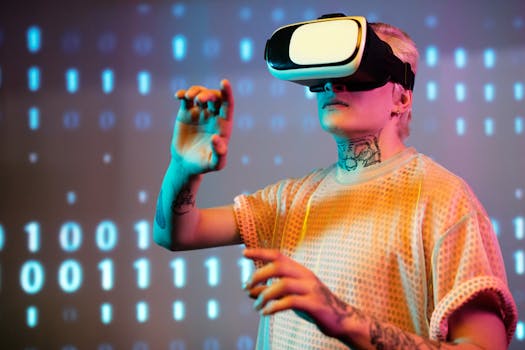 Photo: Darlene Alderson / Pexels
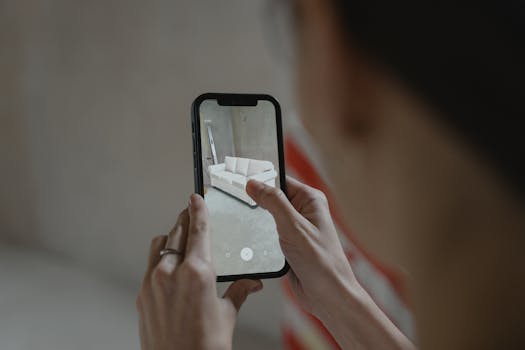 Photo: Tima Miroshnichenko / Pexels
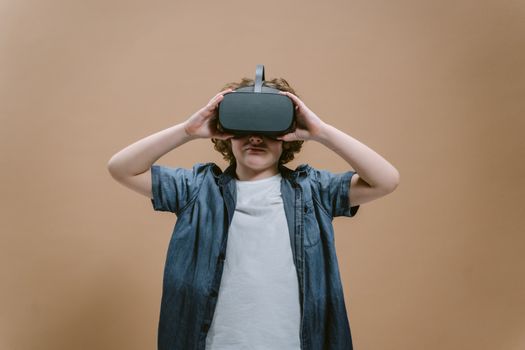 Photo: Tima Miroshnichenko / Pexels
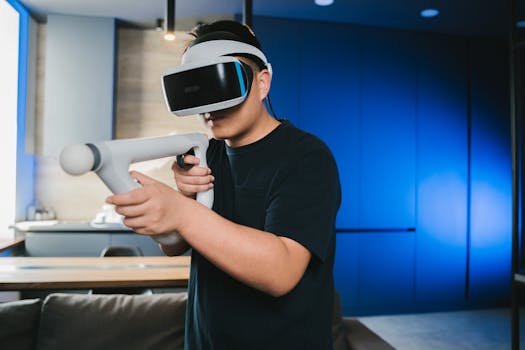 Photo: Tima Miroshnichenko / Pexels
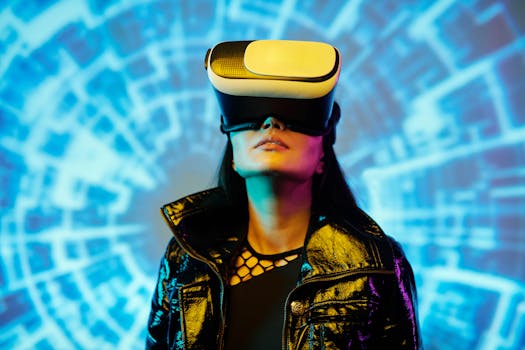 Photo: Darlene Alderson / Pexels