Unveiling the Top Smart Home Devices 2024 for a Smarter Life
top smart home devices 2024

Unveiling the Top Smart Home Devices 2024 for a Smarter Life

Transform your living space with the latest innovations in home automation, enhancing comfort, security, and efficiency.

Explore Smart Living

Key Takeaways

  • ✓ The global smart home market is projected to reach over $170 billion by 2025, indicating rapid growth and adoption.
  • ✓ Energy management devices, such as smart thermostats and lighting, can save homeowners an average of 10-15% on utility bills.
  • ✓ Integration and interoperability are key trends, with Matter and Thread protocols gaining significant traction for seamless device communication.
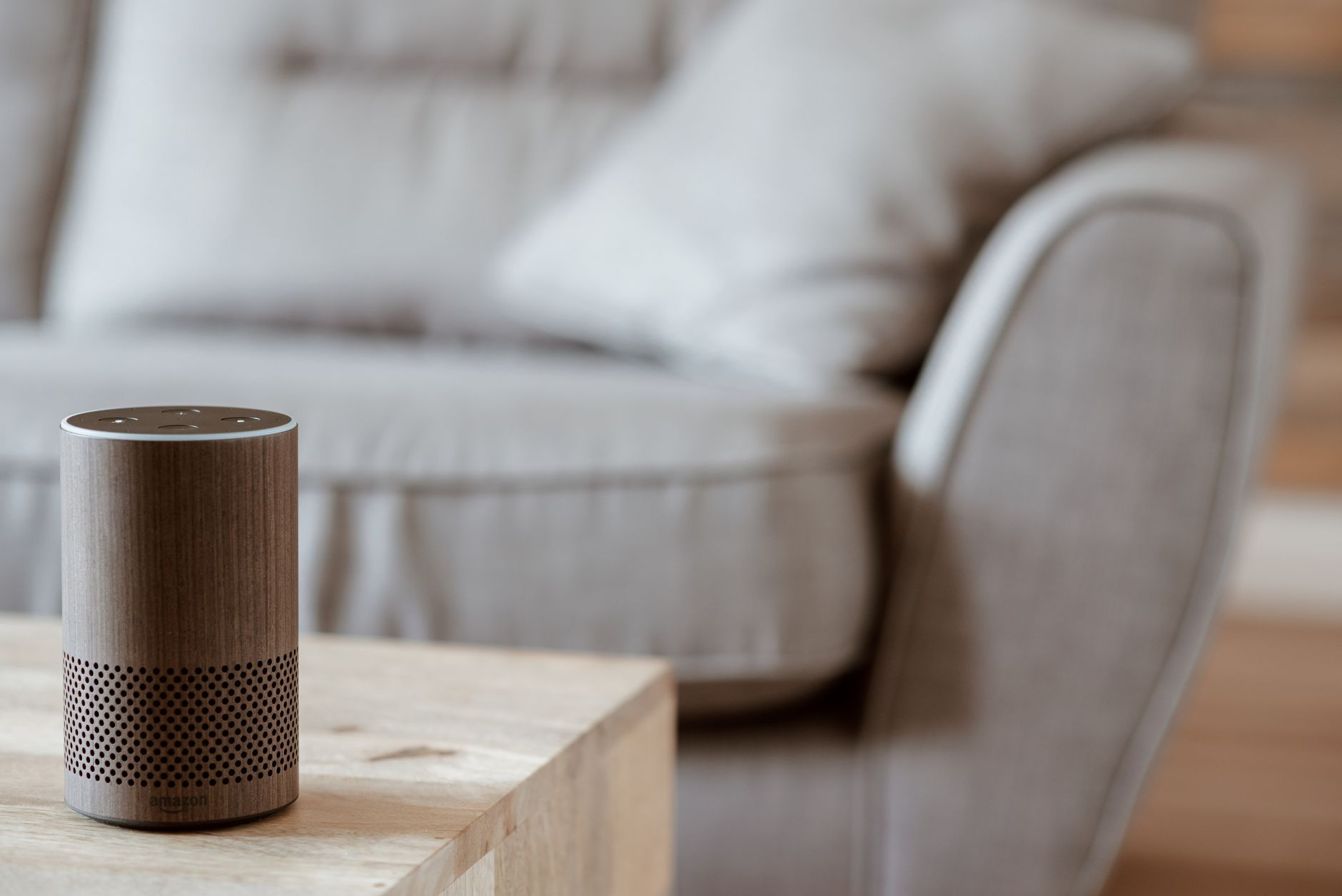
  • ✓ Voice assistants like Alexa, Google Assistant, and Siri remain central to controlling a vast ecosystem of smart home devices.

How It Works

1
Identify Your Needs

Before diving into purchases, assess which aspects of your home life you want to automate or improve. Consider security, convenience, energy saving, or entertainment.

2
Choose a Core Ecosystem

Decide on a primary smart home platform (e.g., Apple HomeKit, Amazon Alexa, Google Home, Samsung SmartThings). This choice will influence device compatibility and ease of integration.

3
Select Compatible Devices

Based on your needs and chosen ecosystem, research devices that seamlessly integrate. Look for 'Works with Alexa,' 'Google Assistant Built-in,' or 'HomeKit Compatible' labels.

4
Install and Automate

Follow device-specific instructions for installation and setup. Utilize companion apps to create routines, schedules, and automations that bring your smart home vision to life.

Revolutionizing Home Security with Smart Devices
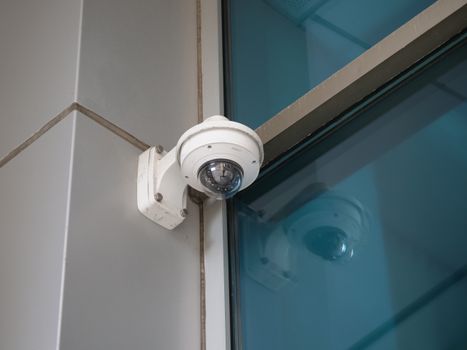
Security camera mounted on a building corner for surveillance and safety. Photo: Giant Asparagus / Pexels
In 2024, smart home security has moved far beyond simple alarms, offering sophisticated, integrated systems that provide unparalleled peace of mind. The convergence of AI-powered analytics, high-definition video, and seamless connectivity means homeowners can monitor, protect, and respond to threats like never before. Leading the charge are smart cameras with advanced features such as facial recognition, package detection, and activity zones, minimizing false alerts and focusing on what truly matters. Brands like Arlo and Ring continue to innovate with wire-free options, extended battery life, and solar charging capabilities, making professional-grade security accessible and easy to install for the average consumer. Video doorbells, once a novelty, are now a fundamental component, allowing two-way communication with visitors, package monitoring, and even deterring porch pirates from anywhere in the world. Their integration with smart locks means you can grant access remotely, or even set up temporary passcodes for deliveries or guests, all managed through a single app. Beyond cameras and doorbells, smart sensors play a critical role. These include motion sensors that can differentiate between pets and intruders, contact sensors for windows and doors, and even glass break sensors. The true power lies in their ability to work in concert; for instance, a contact sensor triggering a smart light to turn on, a camera to record, and an alert to be sent to your phone simultaneously. This layered approach creates a robust defense system that is both proactive and responsive. Furthermore, the rise of professional monitoring services integrated with DIY smart security systems offers the best of both worlds: personal control combined with expert intervention when needed. When evaluating smart security for your home, consider factors like local storage vs. cloud storage options, subscription costs for advanced features, and compatibility with your existing smart home ecosystem. The goal is to build a comprehensive security blanket that adapts to your lifestyle and provides continuous protection. For those interested in deeper dives into specific security solutions, explore our guide on choosing the right smart security camera.

Enhancing Comfort and Efficiency with Smart Climate Control and Lighting
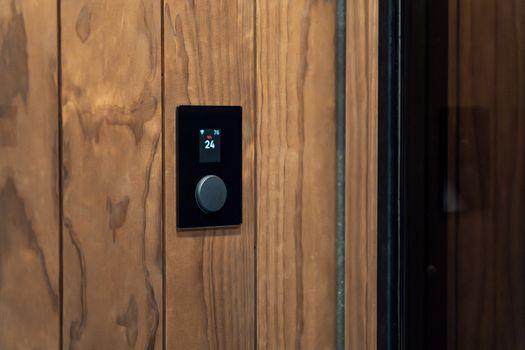
Close-up of a modern sauna control panel featuring a digital thermostat on a wooden wall, highlighting Scandinavian design. Photo: HUUM │sauna heaters / Pexels
The pursuit of comfort and energy efficiency is a primary driver for adopting smart home technology, and in 2024, smart thermostats and lighting systems are more intelligent and intuitive than ever. Smart thermostats, such as the Nest Learning Thermostat and Ecobee SmartThermostat, have become masters of optimization. They learn your preferences, adapt to your schedule, and can even sense when you're away from home, automatically adjusting temperatures to save energy without sacrificing comfort. Advanced models now integrate with local weather forecasts, humidity sensors, and even window/door sensors to make micro-adjustments, ensuring optimal climate control throughout the day. The ability to control your home's temperature from anywhere via a smartphone app, or simply by voice command, is a convenience that quickly becomes indispensable. Beyond mere scheduling, these devices provide detailed energy usage reports, empowering homeowners to identify patterns and make informed decisions about their consumption. This translates directly into tangible savings on utility bills, often paying for themselves within a few years. Smart lighting has also undergone a significant transformation. No longer just about turning lights on and off remotely, current systems offer dynamic control over brightness, color temperature, and even millions of colors. Philips Hue remains a dominant player, but competitors like Govee and Nanoleaf are pushing boundaries with innovative designs and advanced integrations. Imagine waking up to a gentle, slowly brightening warm light, or setting a vibrant color scheme for a movie night, all controlled with a tap or a voice command. Smart switches and dimmers offer an alternative to replacing every bulb, allowing you to smarten existing fixtures. The true magic, however, lies in automation. Lights can turn on when motion is detected, adjust based on natural light levels, or even sync with your bedtime routine, slowly dimming as the evening progresses. Integration with other smart devices, like smart speakers or security sensors, opens up a world of possibilities for creating truly reactive and intelligent lighting environments. The focus is not just on aesthetics but on creating dynamic environments that enhance mood, productivity, and safety, all while minimizing energy waste.

The Future of Connectivity: Smart Kitchen, Entertainment, and Beyond
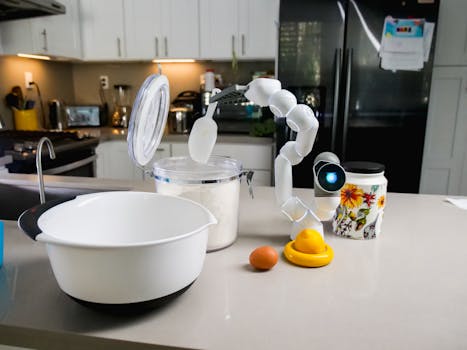
AI-powered robot assisting in a kitchen, highlighting smart technology in everyday cooking. Photo: Kindel Media / Pexels
The smart home ecosystem in 2024 extends far beyond security and climate, permeating every corner of the house, from the kitchen to the entertainment center, and even the garden. Smart kitchen appliances are becoming increasingly sophisticated, offering features that genuinely simplify daily tasks. Smart refrigerators can manage your grocery list, suggest recipes based on available ingredients, and even alert you if a door is left ajar. Ovens can preheat remotely, cook according to pre-programmed settings, and even integrate with smart scales to ensure precise measurements. Coffee makers can start brewing at your alarm, and smart dishwashers can optimize cycles based on load size and dirtiness. While some of these might seem like luxuries, they contribute to a more streamlined and efficient household, saving time and reducing waste. In the realm of entertainment, smart TVs are now the central hub for streaming, gaming, and controlling other devices. Paired with soundbars and multi-room audio systems from brands like Sonos, they create immersive experiences that redefine home entertainment. Voice control has become standard, allowing users to navigate content, adjust volume, and even switch between inputs with simple commands. The integration of smart projectors and ambient lighting further blurs the line between reality and cinematic escape, transforming living rooms into personalized theaters. Beyond these core areas, the smart home continues to expand its reach. Smart plugs and power strips allow you to bring 'dumb' devices into your smart ecosystem, offering scheduling, remote control, and energy monitoring for anything plugged into them. Robot vacuums and mops have become more intelligent, with advanced mapping capabilities, obstacle avoidance, and self-emptying docks, taking the chore out of floor cleaning. Smart pet feeders ensure your furry friends are fed on time, even when you're not home, and smart garden systems can automate irrigation based on weather data and soil moisture levels. The key trend across all these categories is interoperability. With protocols like Matter and Thread gaining traction, devices from different manufacturers are increasingly able to communicate seamlessly, simplifying setup and enhancing the overall user experience. This growing standardization means a truly unified smart home experience is closer than ever, allowing you to build a personalized ecosystem that evolves with your needs. For further insights into maximizing your home's potential, consider exploring our article on maximizing smart home automation.

Avoiding Common Pitfalls and Maximizing Your Smart Home Investment
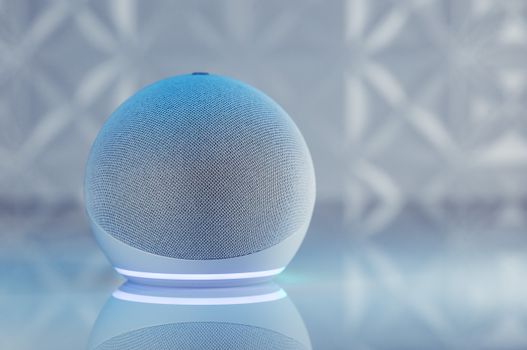
A sleek smart speaker with neon glow on reflective surface, showcasing modern technology. Photo: Jonathan Borba / Pexels
While the allure of a fully automated smart home is strong, navigating the vast array of devices and technologies can be daunting. To truly maximize your investment and avoid common frustrations, strategic planning is essential. Here are some critical tips and pitfalls to steer clear of: * **Don't Overbuy:** It's tempting to want every smart gadget, but start small and expand gradually. Identify your most pressing needs first, whether it's security, energy savings, or convenience, and build from there. An incremental approach allows you to learn what works best for your household without overwhelming yourself. * **Prioritize Compatibility:** This is perhaps the most crucial advice. Before purchasing any device, ensure it's compatible with your chosen smart home ecosystem (e.g., Alexa, Google Home, HomeKit). A fragmented system with devices that don't communicate is a recipe for frustration. Look for devices that support open standards like Matter or Thread for future-proofing. * **Secure Your Network:** Your smart home is only as secure as your Wi-Fi network. Use strong, unique passwords, enable two-factor authentication whenever possible, and keep your router's firmware updated. Consider a separate guest network for smart devices to isolate them from your primary network. * **Understand Subscription Costs:** Many smart devices offer enhanced features (e.g., cloud storage for cameras, advanced analytics) behind a subscription paywall. Factor these recurring costs into your budget before committing to a device. * **Plan for Power and Placement:** Some devices require specific power sources (battery, wired) or optimal placement for sensors and cameras. Read installation guides carefully to avoid surprises. Wi-Fi signal strength is also paramount for reliable operation. * **Don't Neglect Router Performance:** A robust and reliable Wi-Fi network is the backbone of any smart home. If you have many devices, consider upgrading your router to a mesh Wi-Fi system to ensure consistent coverage and performance throughout your home. * **Test Automations Thoroughly:** When setting up routines and automations, test them repeatedly under various conditions. What works perfectly in theory might have unexpected behaviors in practice. Refine your automations until they reliably perform as intended. By keeping these considerations in mind, you can build a smart home that truly enhances your life, rather than becoming a source of technical headaches. A well-planned smart home is a joy to live with, offering convenience, efficiency, and peace of mind.

Comparison

FeatureBest Overall: Google Nest Hub MaxSecurity: Arlo Pro 4 Spotlight CameraClimate: Ecobee SmartThermostatLighting: Philips Hue Starter Kit
Primary FunctionSmart Display, Camera, SpeakerOutdoor Security CameraSmart ThermostatSmart Lighting
Voice AssistantGoogle AssistantAlexa, Google Assistant (via hub)Alexa Built-in, Google Assistant, SiriAlexa, Google Assistant, Siri
Key DifferentiatorFace Match, Duo calling, Smart Display2K HDR, Wire-free, Integrated SpotlightRoom Sensors, Voice Control, Energy SavingsVibrant Colors, Extensive Ecosystem, Sync
Connectivity ProtocolWi-FiWi-FiWi-Fi, BluetoothZigbee (via Hub), Bluetooth
Subscription Required for Full Features✓ (Arlo Secure)

What Readers Say

"The top smart home devices 2024 have completely transformed my daily routine. My smart thermostat saves me a noticeable amount on my energy bill, and the smart display is the hub of my home, keeping everything connected."

Sarah J. · Austin, TX

"I upgraded my security system with some of the top smart home devices 2024, and the peace of mind is incredible. The video doorbell and outdoor cameras are crystal clear, and I get instant alerts."

Mark D. · Seattle, WA

"Finally got around to automating my lighting with one of the top smart home devices 2024. It was surprisingly easy to set up, and now I have perfect ambiance for every occasion, plus it feels much safer when I'm away."

Emily R. · Miami, FL

"While I love the convenience of my new smart kitchen gadgets from the top smart home devices 2024 list, I wish the integration between brands was a little smoother without needing so many different apps. Still, a huge step up!"

David L. · Chicago, IL

"As a busy professional, the top smart home devices 2024 have been a game-changer. My robot vacuum cleans while I'm at work, and I can control my lights and thermostat from anywhere. It truly gives me back time."

Jessica M. · Denver, CO

Frequently Asked Questions

What are the most essential top smart home devices 2024 for a beginner?

For beginners, starting with a smart speaker (like Amazon Echo or Google Nest Hub), a smart thermostat, and a few smart light bulbs is highly recommended. These devices offer immediate benefits in convenience and energy savings and provide a solid foundation for expanding your smart home later.

Is smart home technology secure from hacking?

While no system is entirely impervious, modern smart home devices incorporate robust security measures like encryption and regular software updates. Users can enhance security by using strong, unique passwords, enabling two-factor authentication, and ensuring their home Wi-Fi network is properly secured.

How do I ensure my smart home devices are compatible with each other?

The best way to ensure compatibility is to choose a primary smart home ecosystem (e.g., Alexa, Google Home, HomeKit) and select devices explicitly stating 'Works with' or 'Compatible with' that platform. Emerging standards like Matter and Thread are also designed to improve cross-brand compatibility significantly.

Are top smart home devices 2024 expensive, and do they really save money?

The cost of smart home devices varies widely, from affordable smart plugs to high-end security systems. While initial investment is required, devices like smart thermostats and lighting can lead to significant long-term savings on energy bills, often offsetting their cost over time. The value of convenience and peace of mind is also substantial.

What's the difference between a smart hub and a smart speaker?

A smart speaker (e.g., Echo Dot, Google Nest Mini) primarily provides voice control for smart devices and plays music. A smart hub (e.g., SmartThings Hub, Homey) acts as a central brain, connecting and coordinating various smart devices using different protocols (Zigbee, Z-Wave) and often enables more complex automations, though many modern smart displays now combine both functions.

Who should consider investing in top smart home devices 2024?

Anyone looking to enhance convenience, improve home security, manage energy consumption more efficiently, or simply enjoy a more modern and integrated living experience should consider smart home devices. They are particularly beneficial for busy individuals, homeowners concerned about security, or those looking to reduce their environmental footprint.

Are there privacy concerns with top smart home devices 2024, especially with cameras and voice assistants?

Privacy is a valid concern. Devices like smart cameras and voice assistants collect data. Most reputable brands implement strong privacy policies and encryption. Users can mitigate risks by understanding device settings, reviewing privacy policies, and only enabling features they actively use. Always purchase from trusted manufacturers.

What emerging trends should I look for in future smart home devices?

Future trends include greater adoption of AI for predictive automation, enhanced energy harvesting technologies for self-powered sensors, stronger emphasis on local processing for improved privacy and speed, and widespread implementation of universal communication standards like Matter for seamless interoperability across all brands.

Embrace the future of living by exploring the top smart home devices 2024. Whether you seek enhanced security, unparalleled convenience, or significant energy savings, there's a smart solution waiting to transform your home. Start building your intelligent sanctuary today!

Topics: top smart home devices 2024best smart home gadgetssmart home technology reviewhome automation essentialsconnected home devices
Leo List
Brampton weed
Adultwork