The Pros and Cons of Electric Vehicles: Your Ultimate Guide
June 26, 2026 14 min read 2,860 words
Explore the full spectrum of electric vehicle ownership, from environmental impact to everyday practicality, to make an informed decision.
Learn More About EVs
Unpacking the Environmental Benefits of Electric Cars
 Photo: Anton Belitskiy / Pexels
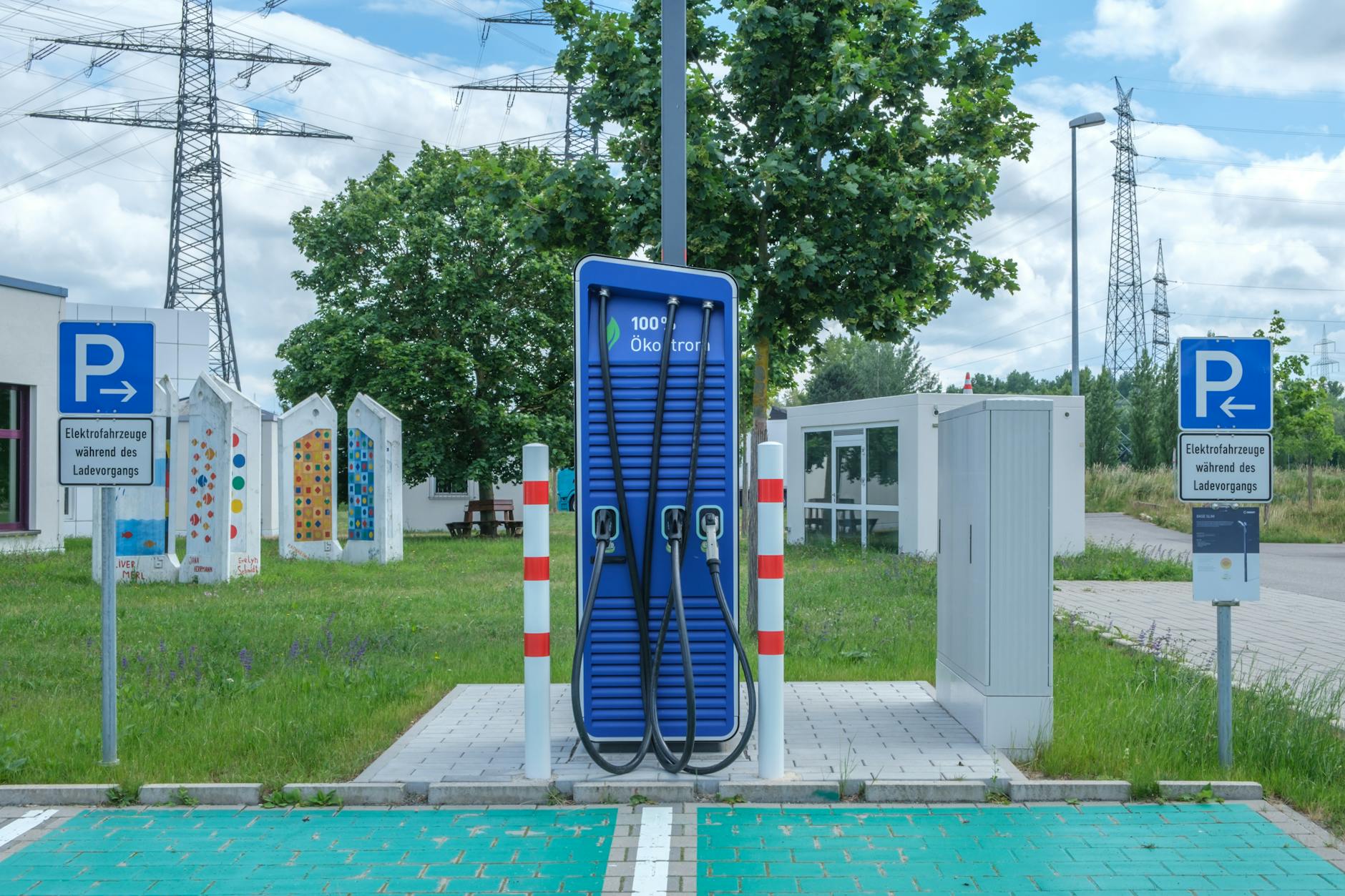
One of the most compelling arguments for electric vehicles (EVs) centers on their environmental impact. Unlike traditional gasoline-powered cars, EVs produce zero tailpipe emissions. This means no carbon dioxide (CO2), nitrogen oxides (NOx), or particulate matter directly released into the atmosphere during operation. For urban areas, this translates to significantly improved air quality, reducing smog and associated respiratory health issues. The reduction in local air pollution is a tangible benefit that directly impacts public health and the quality of life in densely populated regions. While the electricity used to charge EVs may come from power plants that burn fossil fuels, the overall emissions footprint is often still lower than gasoline cars. This is because power plants are generally more efficient at converting fuel to energy and can utilize a diverse mix of energy sources, including a growing percentage of renewables like solar and wind. As the grid decarbonizes, the environmental benefits of EVs will only amplify.
Understanding renewable energy sources is key to appreciating this long-term trajectory. Furthermore, the manufacturing process for EVs does have an environmental footprint, particularly concerning battery production. However, advancements in battery recycling and sustainable sourcing of materials are continuously improving this aspect. Many manufacturers are actively working to reduce their supply chain emissions and increase the use of recycled content in new batteries. The lifecycle assessment of an EV, from manufacturing to end-of-life, increasingly favors electric over internal combustion engine (ICE) vehicles, especially when considering the entire operational lifespan and the potential for battery reuse in second-life applications. The shift to EVs also reduces our reliance on fossil fuels, which are finite resources often sourced from politically unstable regions. This move towards energy independence can have significant geopolitical and economic advantages for nations. It also insulates consumers from volatile gasoline prices, offering greater predictability in transportation costs. Moreover, the quiet operation of EVs contributes to reduced noise pollution in urban environments, an often-overlooked environmental benefit that enhances the quality of life for residents. The drive towards electrification is a global effort, with many governments offering incentives and regulations to accelerate the transition, recognizing the profound environmental advantages. The environmental story of EVs is complex but overwhelmingly positive, representing a critical step towards a more sustainable future. The continuous innovation in battery technology, charging infrastructure, and renewable energy integration ensures that these benefits will only grow over time, making EVs a cornerstone of future sustainable transportation. The environmental case for embracing electric vehicles is robust and continues to strengthen as technology evolves and renewable energy becomes more prevalent in our national grids. This holistic view, considering both direct emissions and the broader energy ecosystem, positions EVs as a powerful tool in combating climate change and improving public health. The long-term vision involves a fully circular economy for EV batteries, further minimizing their environmental impact and maximizing resource efficiency.
Navigating the Practicalities: Cost, Charging, and Range
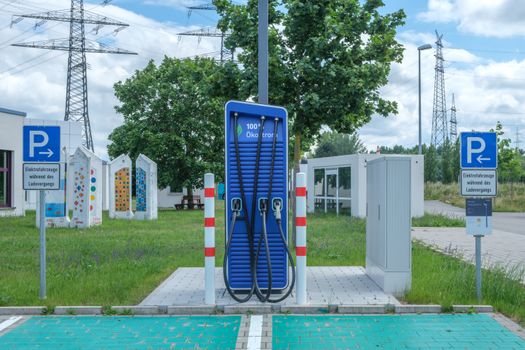 Photo: Reinhard Bruckner / Pexels
While the environmental advantages are clear, potential EV owners often weigh these against practical considerations such as cost, charging infrastructure, and range. Initially, the upfront purchase price of many electric vehicles can be higher than comparable gasoline models. This is primarily due to the cost of the advanced battery technology. However, this gap is steadily narrowing as battery production scales and technology advances. Furthermore, federal tax credits (like the Clean Vehicle Credit, which can be up to $7,500 for eligible vehicles and buyers in the US) and state-level incentives can significantly reduce the effective purchase price, making EVs more competitive. Beyond the initial outlay, the running costs of an EV are typically much lower. Electricity is generally cheaper per mile than gasoline, especially if you charge at home during off-peak hours. Maintenance costs are also reduced because EVs have fewer moving parts, no oil changes, spark plugs, or complex exhaust systems. This translates to fewer trips to the mechanic and lower repair bills over the vehicle's lifespan. The total cost of ownership (TCO) often favors EVs over ICE vehicles when these factors are considered over several years. Another major practical concern is charging. Range anxiety, the fear of running out of charge before reaching a charging station, was a significant barrier in the past. However, modern EVs offer increasingly longer ranges, with many models exceeding 250 miles on a single charge, which is more than sufficient for most daily commutes and even many longer trips. The charging infrastructure is also expanding rapidly. Public charging stations, including fast chargers (DCFC) that can add hundreds of miles of range in under an hour, are becoming more prevalent in urban centers, along major highways, and at workplaces and retail locations. Home charging remains the most convenient option for many, allowing owners to 'refuel' overnight just like charging a smartphone. Installing a Level 2 charger at home significantly speeds up charging compared to a standard wall outlet. Planning for longer journeys might require a bit more foresight than with a gasoline car, but in-car navigation systems and smartphone apps now make finding charging stations along a route straightforward. The availability of charging options is a dynamic landscape, constantly improving and adapting to the growing EV market. For those living in apartments or without dedicated parking, access to charging can still be a challenge, but innovative solutions like curbside charging and shared charging networks are emerging. Ultimately, the practicalities of owning an EV have improved dramatically, making them a viable and often superior option for a wide range of drivers, with ongoing advancements promising to further enhance convenience and affordability. The decision often boils down to individual driving habits, access to charging, and a willingness to adapt to a new fueling routine. The benefits of lower running costs and reduced environmental impact frequently outweigh these initial practical considerations for many consumers.
Performance, Safety, and the Driving Experience of EVs
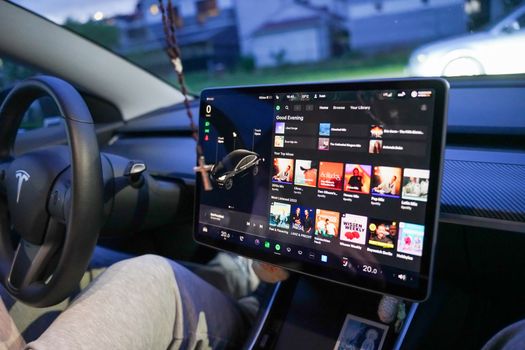 Photo: Vladimir Srajber / Pexels
Beyond environmental and economic factors, the driving experience itself is a crucial aspect when considering the pros and cons of electric vehicles. EVs often deliver a superior driving experience characterized by instant torque, quiet operation, and a low center of gravity. The electric motor provides immediate power delivery, meaning EVs accelerate smoothly and quickly from a standstill, often outperforming similarly priced gasoline cars. This 'instant torque' provides a responsive and engaging driving feel, making merging onto highways or passing other vehicles effortless. The absence of an internal combustion engine means a significantly quieter ride. Without engine noise, vibrations, and exhaust sounds, the cabin of an EV offers a serene and peaceful environment, enhancing comfort for both driver and passengers. This quietness also contributes to a less fatiguing driving experience, especially on long journeys. The heavy battery pack, typically located low in the vehicle's chassis, contributes to a very low center of gravity. This design choice dramatically improves handling and stability, reducing body roll in turns and providing a more planted feel on the road. Many drivers describe the EV driving experience as smooth, refined, and surprisingly agile. From a safety perspective, EVs generally perform exceptionally well in crash tests. The rigid structure required to house the battery pack provides excellent occupant protection. The absence of a large fuel tank also eliminates the risk of fuel fires in certain types of collisions. Manufacturers also incorporate sophisticated battery management systems to prevent overheating and ensure safety. Advanced driver-assistance systems (ADAS) are also standard or widely available in many EVs, further enhancing safety.
Exploring advanced automotive technology reveals how EVs are at the forefront of integrating features like adaptive cruise control, lane-keeping assist, and automatic emergency braking, all contributing to a safer journey. However, there are some considerations. The quietness of EVs, while a benefit for occupants, can pose a challenge for pedestrians or cyclists who might not hear an approaching vehicle. To address this, regulations in many countries, including the US, mandate that EVs emit artificial sounds at low speeds to alert others. The weight of EVs, due to their battery, can also be a factor in terms of tire wear and road infrastructure impact, though this is actively being researched and mitigated by tire manufacturers. Overall, the performance and safety aspects of electric vehicles are strong selling points, offering a refined, powerful, and secure driving experience that often exceeds expectations. The combination of rapid acceleration, quiet comfort, and enhanced stability makes driving an EV not just a practical choice but an enjoyable one for many consumers. The ongoing innovation in EV design and engineering continues to push boundaries in both performance and safety, solidifying their position as a leading choice in modern transportation.
Making the Switch: Key Considerations and Potential Pitfalls
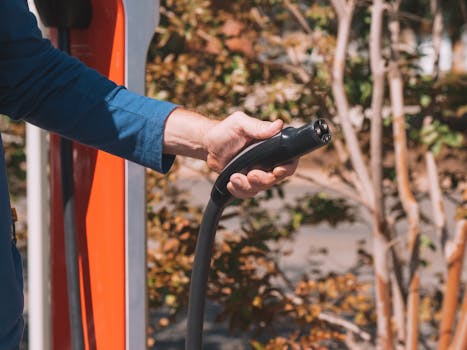 Photo: Kindel Media / Pexels
Deciding to switch to an electric vehicle is a significant step, and understanding potential pitfalls alongside the benefits is crucial for a smooth transition. While we've discussed many advantages, here are some key considerations and potential downsides to be aware of:
* **Upfront Cost Barrier:** As mentioned, the initial purchase price can be higher. While incentives help, it might still be a larger investment than a comparable ICE vehicle. Budgeting for this and understanding available tax credits is essential.
* **Charging Infrastructure Access:** While improving, public charging isn't ubiquitous everywhere. If you frequently travel to rural areas or live in an apartment without dedicated charging, this could be a significant hurdle. Always assess your typical routes and living situation before committing.
* **Charging Time vs. Refueling Time:** 'Refueling' an EV takes longer than pumping gas. Even fast chargers require 20-40 minutes for a significant charge, compared to 5 minutes at a gas station. For those constantly on the go with limited downtime, this can be an adjustment.
* **Battery Degradation:** EV batteries, like all batteries, will degrade over time, leading to a slight reduction in range and capacity. While manufacturers offer long warranties (typically 8 years or 100,000 miles), it's a long-term factor to consider for resale value and longevity.
* **Weight of the Vehicle:** EVs are heavier than ICE cars due to their batteries. This can impact tire wear, potentially leading to more frequent tire replacements, and could slightly alter driving dynamics, though the low center of gravity often compensates.
* **Cold Weather Performance:** Extreme cold can temporarily reduce battery range and charging speed. While modern EVs are designed to manage this, it's a factor to consider for drivers in very cold climates.
* **Limited Towing Capacity (for some models):** While some larger EVs offer impressive towing, smaller and mid-range electric vehicles often have lower towing capacities compared to their gasoline counterparts. If towing is a frequent need, careful model selection is vital.
* **Repair Specialization:** While maintenance is generally lower, when repairs are needed, they often require specialized technicians and equipment. This might mean fewer repair shops capable of servicing your EV, potentially affecting convenience and cost.
**Tips for a Smooth EV Transition:**
* **Assess Your Driving Habits:** Do you mostly commute short distances? Is home charging feasible? Your daily routine is the biggest indicator of EV suitability.
* **Research Incentives:** Federal, state, and even local utility incentives can significantly impact the final cost. Don't overlook these savings.
* **Plan Charging:** If you plan long trips, use apps like PlugShare or the vehicle's navigation to map out charging stops in advance.
* **Consider a Hybrid First:** If you're hesitant, a plug-in hybrid electric vehicle (PHEV) can offer a bridge, providing electric-only range for daily commutes and a gasoline engine for longer trips.
* **Test Drive Multiple Models:** The driving experience varies greatly between EVs. Test driving different options will help you find the right fit.