✓ Smartwatches use a combination of optical sensors, accelerometers, and gyroscopes to gather fitness data.
✓ Photoplethysmography (PPG) is the primary technology for heart rate monitoring, detecting blood flow changes.
✓ Advanced algorithms interpret raw sensor data to provide metrics like steps, calories, and sleep stages.
✓ GPS and altimeters enable precise tracking of outdoor activities and elevation changes.
How It Works
1
Sensor Data Collection
Tiny sensors like accelerometers, gyroscopes, and optical heart rate monitors continuously gather raw physical and biological data from your body and movement.
2
Signal Processing & Filtering
This raw data is then processed to remove noise and artifacts. Sophisticated algorithms filter out irrelevant movements or environmental interference to ensure data purity.
3
Algorithmic Interpretation
Proprietary algorithms, often developed with extensive research and machine learning, translate the cleaned sensor data into meaningful fitness metrics, such as steps, heartbeats, or sleep stages.
4
Data Presentation & Insights
Finally, the interpreted data is presented on your smartwatch screen or a connected smartphone app. This provides actionable insights, trends, and progress reports to help you manage your health.
The Core Technologies: How Smartwatches Gather Raw Data
Photo: Torsten Dettlaff / Pexels
At the heart of every smartwatch's fitness tracking capability lies a sophisticated array of sensors, each playing a crucial role in gathering the raw data that will later be translated into actionable insights. Understanding these fundamental components is the first step in comprehending how do smartwatches track fitness. The primary sensors typically found include accelerometers, gyroscopes, optical heart rate sensors, and often GPS modules.
Accelerometers are perhaps the most common and foundational sensor. They measure non-gravitational acceleration, essentially detecting changes in velocity and direction. In simpler terms, they tell your smartwatch when you're moving, how fast you're moving, and in what direction. This data is critical for counting steps, detecting various types of physical activity, and even identifying falls. When you walk, run, or even just fidget, the accelerometer picks up these movements. The data it generates is then fed into complex algorithms that distinguish between intentional movements (like a step) and incidental ones (like waving your arm).
Complementing the accelerometer is the gyroscope. While an accelerometer measures linear motion, a gyroscope measures angular velocity, or rotation. Together, these two sensors provide a comprehensive picture of your movement in three-dimensional space. This allows for more accurate tracking of activities that involve rotational movements, such as cycling, swimming strokes, or even recognizing specific exercises. For instance, differentiating between a bicep curl and a shoulder press might involve analyzing the combined data from both the accelerometer and gyroscope. The fusion of data from these inertial sensors significantly enhances the accuracy of activity detection and step counting, making your smartwatch a more reliable fitness companion.
Then there's the optical heart rate sensor, which is arguably one of the most transformative technologies in consumer wearables. This sensor typically uses a technique called photoplethysmography (PPG). It works by emitting green LED light onto your skin and then measuring the amount of light reflected back. Blood absorbs green light, so as blood flows through your capillaries with each heartbeat, the amount of reflected light changes. The sensor detects these tiny fluctuations, which correspond to your pulse. This technology allows smartwatches to continuously monitor your heart rate, track heart rate variability, and even detect irregular heart rhythms in some advanced models. The placement of these sensors on the wrist, while convenient, also presents challenges, as movement and skin tone can affect accuracy, necessitating sophisticated algorithms to filter out noise. Learn more about sensor technology in modern gadgets.
Finally, for outdoor activities, many smartwatches integrate a Global Positioning System (GPS) module. This allows the device to precisely track your location, distance traveled, pace, and elevation changes during activities like running, cycling, or hiking without needing to carry your phone. GPS relies on receiving signals from satellites orbiting Earth to pinpoint your exact coordinates. While highly accurate, GPS can consume significant battery life, and its accuracy can be affected by dense urban environments or heavy tree cover. Some smartwatches also incorporate barometric altimeters to measure atmospheric pressure, which can then be used to calculate elevation changes more accurately than GPS alone, especially for activities involving climbing stairs or hills. These core technologies form the backbone of how smartwatches track fitness, providing the essential data points for more complex analysis.
From Raw Data to Meaningful Metrics: The Algorithmic Magic
Photo: RDNE Stock project / Pexels
Once the raw data is collected by the various sensors, the real 'magic' of how smartwatches track fitness begins: the transformation of this data into meaningful, understandable metrics. This process relies heavily on sophisticated algorithms and often, machine learning. It's not enough to simply count accelerometer movements; the smartwatch needs to interpret those movements as steps, distinguish walking from running, identify sleep stages, or calculate calorie burn. This is where the algorithmic intelligence comes into play, making sense of the vast amounts of data generated every second.
Consider step counting. An accelerometer detects every jolt and sway of your arm. Without smart algorithms, every casual hand movement might be counted as a step. The algorithms are trained on massive datasets of human movement to recognize patterns indicative of actual steps. They filter out noise, identify gait patterns, and often combine accelerometer data with gyroscope data to improve accuracy. For example, a sudden, consistent up-and-down motion coupled with a forward progression (as detected by the gyroscope) is more likely to be a step than a random arm swing. These algorithms are continuously refined by manufacturers to improve accuracy across a wide range of user activities and body types.
Calorie expenditure is another metric that relies heavily on complex algorithms. Smartwatches don't directly measure calories burned. Instead, they estimate it based on a combination of factors: your basal metabolic rate (BMR), which is calculated from your age, sex, weight, and height (entered during setup), and the intensity and duration of your physical activity. The heart rate data, combined with accelerometer and gyroscope data, provides a crucial input for estimating activity intensity. Higher heart rates and more vigorous movements generally correlate with higher calorie burn. Different activities have different metabolic equivalents (METs), and algorithms use these values to provide a more accurate estimate. It's important to remember that these are estimates, and while increasingly accurate, they are not precise medical measurements.
Sleep tracking is a prime example of advanced algorithmic interpretation. Smartwatches use a combination of accelerometer/gyroscope data (to detect movement and restlessness) and heart rate data (to identify changes in heart rate variability, which correlate with different sleep stages). Algorithms analyze these patterns to determine when you fall asleep, wake up, and spend time in light, deep, and REM sleep. For instance, a period of minimal movement combined with a stable, lower heart rate might indicate deep sleep, while increased movement and fluctuating heart rate could suggest light sleep or wakefulness. Some advanced sleep trackers also incorporate blood oxygen saturation (SpO2) measurements to detect potential breathing disturbances during sleep, adding another layer of insight. The accuracy of sleep stage detection varies between devices and is an area of ongoing research and improvement, often leveraging machine learning models trained on polysomnography data.
Finally, the interpretation extends to recognizing specific exercises. Some smartwatches can automatically detect activities like running, swimming, or cycling based on distinct movement patterns and heart rate zones. This auto-detection capability is a testament to the sophistication of the embedded algorithms, which are constantly learning and adapting. This algorithmic magic is what transforms raw, unintelligible sensor data into the intuitive graphs and numbers we see on our wrists and phone screens, making fitness tracking accessible and motivating for millions.
Beyond the Basics: Advanced Metrics and Their Significance
Photo: Pixabay / Pexels
While steps, heart rate, and sleep are foundational, modern smartwatches go far beyond these basic metrics, offering a suite of advanced measurements that provide a more holistic view of your health and fitness. Understanding how do smartwatches track fitness in these more nuanced ways can empower users to make more informed decisions about their well-being. These advanced metrics often combine data from multiple sensors and leverage even more complex algorithms to derive meaningful insights.
One significant advanced metric is Heart Rate Variability (HRV). HRV measures the variation in the time interval between successive heartbeats. Unlike a simple heart rate count, HRV reflects the balance between your sympathetic (fight or flight) and parasympathetic (rest and digest) nervous systems. A higher HRV generally indicates better cardiovascular fitness and resilience to stress, while a lower HRV can sometimes be a sign of overtraining, stress, or illness. Smartwatches typically measure HRV during sleep or specific resting periods using their optical heart rate sensor. The algorithms analyze the R-R intervals (time between consecutive R-waves on an electrocardiogram, though smartwatches estimate this from PPG data) over a period to calculate various HRV parameters, offering insights into recovery and readiness for training. Discover more about biosensors and their applications.
Blood Oxygen Saturation (SpO2) is another increasingly common feature. This measures the percentage of hemoglobin in your red blood cells that is carrying oxygen. A healthy SpO2 level is typically between 95-100%. Smartwatches measure SpO2 using a method similar to heart rate monitoring, but they use red and infrared light. Hemoglobin absorbs red light differently depending on whether it's oxygenated or deoxygenated. By measuring the absorption of both red and infrared light, the sensor can estimate the SpO2 level. This metric is particularly useful for monitoring respiratory health, especially during sleep to detect potential sleep apnea, or for athletes training at altitude. Significant drops in SpO2 can indicate underlying health issues and warrant medical attention.
Electrocardiogram (ECG/EKG) capabilities are now available on many higher-end smartwatches. Unlike the continuous heart rate monitoring which uses PPG, an ECG app on a smartwatch records an electrocardiogram similar to a single-lead ECG found in medical settings. This is typically done by placing a finger on the watch's digital crown or another electrode, completing an electrical circuit with your wrist. The watch then measures the electrical signals of your heart, which can be analyzed to detect signs of atrial fibrillation (AFib), an irregular heart rhythm. While not a diagnostic tool, it can provide an early warning system for a serious heart condition, prompting users to seek medical advice.
Advanced activity metrics like VO2 Max estimation are also offered. VO2 Max is considered the gold standard for measuring cardiovascular fitness, representing the maximum amount of oxygen your body can utilize during intense exercise. Smartwatches estimate VO2 Max by combining data from your heart rate, pace, and personal characteristics during specific activities like running or brisk walking. The algorithms use predictive models to extrapolate your oxygen uptake capacity. While not as precise as a lab test, these estimates provide a valuable benchmark for tracking fitness improvements over time. These advanced metrics transform smartwatches from simple step counters into powerful personal health assistants, offering deeper insights into your physiological state and helping you optimize your fitness and wellness journey.
Maximizing Accuracy and Interpreting Your Fitness Data
Photo: Anastasiya Badun / Pexels
While smartwatches are incredibly sophisticated, their accuracy and the utility of their data depend on several factors, including proper usage and a critical understanding of the metrics they provide. To truly leverage how do smartwatches track fitness, it's essential to know how to maximize their accuracy and interpret the information thoughtfully.
Firstly, proper fit is paramount for accurate data collection, especially for heart rate and SpO2. The watch should be snug but comfortable, sitting just above the wrist bone. If it's too loose, light can seep under the sensor, leading to inaccurate readings. If it's too tight, it can restrict blood flow and also affect readings. Keeping the sensor clean is also important; sweat and dirt can obstruct the optical sensors. For GPS, ensure your watch has a clear view of the sky for optimal satellite reception, and allow it a moment to acquire a signal before starting an outdoor activity.
Secondly, regularly updating your personal information within the watch's companion app is crucial. Your age, weight, height, and sex are used in many algorithmic calculations, particularly for calorie burn and VO2 Max estimates. If these details are outdated, the metrics derived will be less accurate. Similarly, some watches offer calibration options for outdoor activities; taking advantage of these can fine-tune pace and distance measurements.
Thirdly, understand the limitations. Smartwatches are consumer devices, not medical-grade instruments (unless specifically FDA-cleared for certain functions like ECG). While highly accurate for general fitness tracking, their metrics are estimates. For example, calorie burn can vary by up to 10-20% from actual expenditure due to individual metabolic differences. Similarly, while sleep tracking is very good at identifying sleep duration and major disturbances, distinguishing between specific sleep stages can be less precise than clinical polysomnography.
Fourthly, look at trends, not just individual data points. A single day's step count or heart rate reading might not tell the whole story. What's more valuable is observing patterns over days, weeks, or months. Are your resting heart rate and HRV improving over time? Is your sleep consistency increasing? Are you hitting your activity goals regularly? Trends offer a much better indication of your overall health and fitness progress than isolated data points. Don't get fixated on daily fluctuations, as these can be influenced by many factors.
Finally, use the data to inform, not dictate. Your smartwatch data should be a tool to help you understand your body better and motivate you, not a rigid set of rules. If your watch says you had a 'poor' sleep score but you feel well-rested, trust your body. If it suggests you've burned fewer calories than you expected, consider your perceived exertion. Combine the objective data from your watch with your subjective feelings and listen to your body's signals. This balanced approach will ensure you get the most out of your smartwatch's fitness tracking capabilities, helping you to build healthier habits and achieve your wellness goals effectively.
* **Maintain Proper Fit:** Ensure your smartwatch is snug but comfortable, positioned above the wrist bone, for optimal sensor contact.
* **Keep Sensors Clean:** Regularly wipe down the back of your watch to prevent sweat and dirt from obstructing optical sensors.
* **Update Personal Data:** Keep your age, weight, height, and sex current in the companion app for accurate algorithmic calculations.
* **Understand Limitations:** Recognize that smartwatch metrics are estimates and not always medical-grade precision measurements.
* **Focus on Trends:** Prioritize long-term patterns and improvements over daily fluctuations in your fitness data.
* **Listen to Your Body:** Combine objective smartwatch data with your subjective feelings and physical signals for a holistic view of your health.
* **Allow GPS Acquisition:** For outdoor activities, give your watch a few moments to acquire a strong GPS signal before starting your workout.
* **Utilize Calibration Features:** If available, calibrate your watch for specific activities to enhance accuracy for pace and distance.
Comparison
Feature
Best Option (e.g., Apple Watch Ultra 2)
Alternative 1 (e.g., Garmin Fenix 7 Pro)
Alternative 2 (e.g., Fitbit Sense 2)
Heart Rate Tracking (PPG)
Highly Accurate, Continuous
Highly Accurate, Continuous
Highly Accurate, Continuous
ECG Capability
✓
✗
✓
SpO2 Monitoring
✓
✓
✓
Advanced GPS
Dual-frequency, Multi-GNSS
Multi-band, All-GNSS
Connected GPS (phone required)
Battery Life (typical)
36 hours (normal use)
18 days (smartwatch mode)
6+ days
Stress Tracking
✓
✓
✓
Skin Temperature Sensor
✓
✗
✓
Workout Auto-detection
✓
✓
✓
What Readers Say
★★★★★
"My smartwatch has completely changed how I track fitness. The heart rate zones during my runs are spot on, and seeing my sleep patterns has helped me prioritize rest. It's incredibly motivating to see my progress over time."
Sarah J. · Austin, TX
★★★★★
"I was skeptical, but learning how smartwatches track fitness with so many sensors really impressed me. The step counting is accurate, and I love the detailed breakdown of my workouts, especially the GPS mapping for my bike rides."
Mark T. · Seattle, WA
★★★★★
"Thanks to my smartwatch's ECG feature, I discovered an irregular heart rhythm that my doctor later confirmed as AFib. It literally gave me an early warning, allowing me to seek treatment sooner. This tech is life-changing."
Emily R. · Miami, FL
★★★★★
"The fitness tracking is great for daily activity and general workouts. I find the calorie burn estimates a bit high sometimes, but the trends for heart rate and sleep are consistently helpful for managing my overall health."
David L. · Chicago, IL
★★★★★
"As a hiker, the altimeter and SpO2 monitoring are invaluable. Knowing how my body is adapting to altitude and tracking my elevation gains makes my outdoor adventures safer and more informed. It truly enhances my experience."
Jessica M. · Denver, CO
Frequently Asked Questions
Are smartwatch fitness trackers accurate enough for serious athletes?
While highly capable for most users, serious athletes might find dedicated sports watches (e.g., from Garmin, Coros) offer more advanced metrics, longer battery life, and superior GPS accuracy for specific training needs. Smartwatches provide excellent general fitness tracking, but specialized devices often excel in niche athletic demands.
Can a smartwatch detect medical conditions?
Some smartwatches have FDA-cleared features like ECG to detect signs of atrial fibrillation, and SpO2 monitoring can indicate respiratory issues. However, smartwatches are generally not diagnostic medical devices. They are designed for wellness and fitness tracking and can provide alerts that may prompt a user to seek medical advice, but they do not replace a doctor's diagnosis.
How can I improve the accuracy of my smartwatch's fitness data?
To improve accuracy, ensure a snug but comfortable fit on your wrist, keep the sensors clean, and regularly update your personal information (age, weight, height) in the app. For GPS-dependent activities, allow the watch to acquire a strong satellite signal before starting. Focusing on trends rather than single data points also provides a more accurate picture.
Do smartwatches accurately track calorie burn?
Smartwatches estimate calorie burn based on your personal data (age, weight, height), heart rate, and activity intensity and duration. While these estimates are increasingly sophisticated, they are not perfectly precise due to individual metabolic variations. They serve as a good guide for general activity levels but shouldn't be relied upon for exact medical or dietary calculations.
How do smartwatches compare to chest strap heart rate monitors for accuracy?
Chest strap heart rate monitors are generally considered the gold standard for accuracy, especially during high-intensity or rapidly changing workouts, as they measure the electrical signals of the heart directly. Smartwatch optical heart rate sensors (PPG) are very accurate for resting heart rate and steady-state exercise but can sometimes be less precise during very intense, erratic movements or activities that cause a lot of arm flexion.
Who benefits most from smartwatch fitness tracking?
Smartwatch fitness tracking benefits anyone looking to improve their general health, understand their activity levels, monitor sleep, and gain insights into their body's responses to exercise and stress. From casual walkers to recreational athletes, and those managing chronic conditions, the data provides motivation and actionable information for better lifestyle choices.
Are there any privacy concerns with sharing my fitness data?
Yes, privacy is a valid concern. Your fitness data, especially health metrics, is highly personal. It's crucial to understand your smartwatch manufacturer's and app provider's privacy policies. Check how your data is stored, who it's shared with (if anyone), and what control you have over it. Most reputable brands offer robust privacy settings, but always be informed.
What's the future of smartwatch fitness tracking?
The future holds even greater accuracy, more comprehensive health monitoring, and personalized insights. Expect advances in non-invasive blood glucose monitoring, blood pressure measurement, and more sophisticated AI-driven analysis for predictive health insights. Integration with telehealth and even more seamless, unobtrusive sensor technology will also likely emerge.
Unlock the full potential of your health journey by understanding how smartwatches track fitness. Embrace the technology, interpret your data wisely, and take proactive steps towards a healthier, more informed you.
 Photo: Torsten Dettlaff / Pexels
 Photo: RDNE Stock project / Pexels
 Photo: Pixabay / Pexels
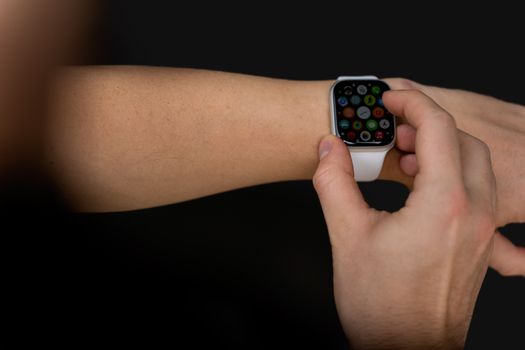 Photo: Anastasiya Badun / Pexels