✓ Solid-state batteries promise significantly greater range and faster charging than current lithium-ion technology.
✓ Vehicle-to-Grid (V2G) technology will allow EVs to return power to the grid, stabilizing energy networks.
✓ Advanced AI and machine learning are key to achieving truly autonomous driving in electric vehicles.
✓ Inductive charging, both static and dynamic, is set to revolutionize how and where EVs recharge.
How It Works
1
Advanced Battery Chemistry
Next-generation batteries like solid-state or silicon anode cells will store more energy in a smaller, lighter package. This translates directly into extended driving ranges and reduced charging times, addressing current EV limitations.
2
Integrated Charging Solutions
Beyond traditional plug-in, wireless inductive charging will become commonplace, embedded in roads and parking spots. This seamless power transfer ensures vehicles are always topping up, alleviating range anxiety.
3
Intelligent Software & AI
Sophisticated AI will manage everything from power distribution within the vehicle to predictive maintenance and route optimization. This software layer enables advanced autonomy and optimizes energy efficiency.
4
Vehicle-to-Everything (V2X) Connectivity
EVs will communicate constantly with each other, infrastructure, and the grid. This interconnectedness allows for optimized traffic flow, smart charging, and even power contribution back to the electrical network.
Revolutionizing Power: The Evolution of EV Batteries
Photo: Sergei Starostin / Pexels
The battery is the heart of any electric vehicle, and its ongoing evolution is perhaps the most critical factor shaping the future of electric vehicles technology. Current lithium-ion batteries, while effective, still present limitations in terms of energy density, charging speed, and cost. However, the horizon is brimming with transformative advancements that promise to shatter these barriers. Solid-state batteries, for instance, are widely considered the holy grail of EV power. Unlike liquid-electrolyte lithium-ion cells, solid-state batteries use a solid electrolyte, offering significantly higher energy density, improved safety (reduced risk of thermal runaway), and potentially much faster charging times – potentially reaching 80% charge in under 10 minutes. Companies like QuantumScape, Toyota, and Solid Power are making substantial progress in this domain, with prototypes already demonstrating impressive performance. While commercialization at scale is still a few years away, the impact of solid-state technology will be profound, enabling EVs with ranges comparable to gasoline cars and eliminating current charging anxieties.
Beyond solid-state, other innovative chemistries are also under intense development. Silicon anode batteries, for example, can hold ten times more lithium ions than traditional graphite anodes, leading to a substantial increase in energy density. Companies like Sila Nanotechnologies are already integrating silicon anode materials into consumer electronics and are scaling up for automotive applications. Lithium-sulfur batteries offer another promising avenue, boasting theoretical energy densities far exceeding lithium-ion, though challenges with cycle life and stability are still being addressed. Furthermore, advancements in battery management systems (BMS) are equally vital. These sophisticated electronic brains optimize charge and discharge cycles, monitor individual cell health, and extend the overall lifespan of the battery pack. Future BMS will leverage artificial intelligence and machine learning to predict degradation, optimize thermal management with even greater precision, and seamlessly integrate with smart charging infrastructure. The goal is not just more power, but smarter, safer, and more sustainable power. The shift towards these next-generation battery technologies will not only enhance vehicle performance but also reduce manufacturing costs, making EVs more accessible to a broader consumer base. This fundamental change in energy storage will unlock new design possibilities for vehicles and significantly bolster the overall appeal and practicality of electric transportation. Understanding these battery breakthroughs is key to grasping the full scope of EV evolution.
Beyond the Plug: Advanced Charging Infrastructure and V2G
Photo: smart-me AG / Pexels
The future of electric vehicles technology isn't just about the cars themselves; it's equally about the ecosystem that supports them, particularly charging infrastructure. While DC fast chargers are becoming more prevalent, the next wave of innovation will focus on convenience, speed, and grid integration. Wireless inductive charging is poised to become a game-changer. Imagine parking your EV over a charging pad in your garage, at a shopping mall, or even while idling at a traffic light, and your vehicle automatically begins to recharge without any physical connection. Companies like Electreon and WiTricity are actively developing and deploying dynamic wireless charging systems, embedding coils directly into roads. This concept of 'charging as you drive' could effectively eliminate range anxiety by continuously topping up the battery, allowing for smaller, lighter battery packs in vehicles.
Beyond convenience, the integration of electric vehicles into the broader energy grid is a monumental step forward. Vehicle-to-Grid (V2G) technology, which allows EVs to not only draw power from the grid but also feed electricity back into it, is gaining significant traction. During peak demand, or when renewable energy sources like solar and wind are intermittent, a fleet of V2G-enabled EVs can act as distributed energy storage units, supplying power back to homes or the grid. This bidirectional flow of energy transforms EVs from mere consumers into active participants in the energy market, contributing to grid stability and potentially generating revenue for vehicle owners. Projects demonstrating V2G capabilities are already underway in various countries, highlighting its potential to accelerate the transition to a fully renewable energy system.
Smart charging is another critical component. This involves optimizing charging times based on grid demand, electricity prices, and the vehicle owner's schedule. Instead of charging immediately upon plugging in, smart chargers can wait for off-peak hours when electricity is cheaper and cleaner. This intelligent management reduces strain on the grid, lowers operational costs for EV owners, and maximizes the utilization of renewable energy. The evolution of charging infrastructure will also include ultra-fast charging stations capable of adding hundreds of miles of range in mere minutes, leveraging higher power outputs and advanced cooling systems to manage heat. The standardization of charging protocols and connectors will also be crucial for seamless interoperability across different vehicle models and charging networks, ensuring a frictionless user experience. The synergy between advanced battery tech and intelligent charging solutions is what will truly unlock the full potential of electric mobility.
The Autonomous Electric: AI, Connectivity, and the Driving Experience
Photo: Vladimir Srajber / Pexels
The convergence of electric propulsion with advanced artificial intelligence and ubiquitous connectivity is defining the future of electric vehicles technology, particularly in the realm of autonomous driving. While fully autonomous vehicles (Level 5) are still some time away from widespread deployment, the foundational technologies are rapidly maturing. Electric powertrains inherently simplify the architecture required for autonomous systems, as they offer precise control over acceleration and braking, and their quiet operation allows sensors to function more effectively.
At the core of autonomous EVs are sophisticated AI algorithms that process vast amounts of data from an array of sensors – cameras, radar, lidar, and ultrasonic sensors. These systems create a 360-degree understanding of the vehicle's surroundings, predict the behavior of other road users, and make instantaneous driving decisions. Machine learning is continuously refining these algorithms, learning from billions of miles of simulated and real-world driving data. Over-the-air (OTA) updates, a standard feature in modern EVs, will allow manufacturers to continuously improve these autonomous capabilities, adding new features and refining existing ones without the need for a service visit. This continuous improvement model means that an EV bought today could have significantly more advanced autonomous features a few years down the line. This dynamic evolution of software is a key differentiator from traditional gasoline vehicles.
Vehicle-to-Everything (V2X) communication, which includes Vehicle-to-Vehicle (V2V), Vehicle-to-Infrastructure (V2I), and Vehicle-to-Pedestrian (V2P) communication, is essential for truly safe and efficient autonomous driving. V2X allows vehicles to share real-time information about road conditions, traffic congestion, hazards, and even the intentions of other drivers. For example, a car turning left could communicate its intention to an oncoming autonomous vehicle, preventing potential collisions. Traffic lights could communicate their timing, allowing vehicles to optimize speed for continuous flow, reducing energy consumption and travel time. This interconnected network transforms individual cars into nodes in a larger, intelligent transportation system. The interior of autonomous EVs will also be reimagined. With the driver no longer needing to focus on the road, cabins can be designed as mobile offices, entertainment hubs, or relaxation spaces, offering a completely new kind of in-car experience. The integration of augmented reality (AR) displays, advanced infotainment systems, and personalized climate controls will create a highly customizable and immersive environment. The shift towards autonomous electric vehicles promises not just a cleaner commute, but a fundamentally safer, more efficient, and more enjoyable way to travel.
Key Challenges and Future Outlook for EV Technology Adoption
Photo: Engin Akyurt / Pexels
While the future of electric vehicles technology is incredibly promising, several significant challenges must be addressed for widespread adoption to become a reality. One primary hurdle is the initial purchase cost. Despite declining battery prices, EVs often carry a higher upfront price tag than comparable gasoline vehicles, largely due to battery costs. Government incentives and economies of scale are helping to bridge this gap, but continued innovation in manufacturing and materials science is crucial to make EVs affordable for all income brackets.
Another challenge lies in the raw material supply chain for batteries. The demand for lithium, cobalt, nickel, and other critical minerals is skyrocketing, raising concerns about sourcing ethics, environmental impact, and geopolitical stability. Developing sustainable mining practices, improving recycling technologies for end-of-life batteries, and exploring alternative battery chemistries that rely on more abundant materials (like sodium-ion) are vital steps.
Infrastructure development, particularly in rural areas or apartment complexes, remains a concern. While public charging networks are expanding, the density and reliability of these stations need to improve dramatically to support a fully electric fleet. The integration of V2G and smart charging solutions will help manage grid demand, but significant investment in grid modernization is also required to handle the increased load.
Finally, consumer perception and education play a critical role. Addressing 'range anxiety' (the fear of running out of charge) and educating the public about the true costs of EV ownership (lower fuel and maintenance costs) are essential. Overcoming these challenges will require a concerted effort from automakers, governments, energy providers, and consumers. However, the trajectory is clear: the benefits of cleaner air, reduced reliance on fossil fuels, and a superior driving experience are propelling the electric vehicle revolution forward at an unprecedented pace. The continuous innovation in battery technology, charging infrastructure, and autonomous capabilities ensures that EVs will not only match but ultimately surpass traditional internal combustion engine vehicles in performance, convenience, and sustainability. The future of transportation is undoubtedly electric, and the technological advancements we are witnessing today are laying the groundwork for a truly transformative era.
Comparison
Feature
Current Li-ion EV
Future Solid-State EV
Future Autonomous EV
Range (miles)
200-400
400-600+
400-600+
Charging Time (0-80%)
20-45 min (DC Fast)
5-10 min
5-10 min (static/dynamic wireless)
Battery Safety
Good (liquid electrolyte)
Excellent (solid electrolyte)
Excellent (solid electrolyte)
Autonomy Level
Level 2-3 (ADAS)
Level 3-4 (Conditional)
Level 4-5 (Full)
Grid Integration
Limited (V2L/Smart Charging)
V2G Capable
Full V2G & V2X
What Readers Say
★★★★★
"The insights into solid-state batteries in this article are incredibly clear. It really makes me excited for the future of electric vehicles technology and the potential for a 600-mile range. My next EV purchase will definitely consider these advancements."
Sarah J. · Austin, TX
★★★★★
"I've been wondering about the practicalities of V2G, and this piece explained it perfectly. It's fascinating how electric vehicles will not just drive us, but also power our homes and stabilize the grid. A true game-changer!"
Mark D. · Seattle, WA
★★★★★
"The breakdown of autonomous EV development and V2X communication really opened my eyes. It's not just about self-driving, but a whole connected ecosystem that will make roads safer and travel more efficient. My commute could be transformed!"
Emily R. · Denver, CO
★★★★★
"While the article is incredibly informative about the future of electric vehicles technology, I'm still curious about the timeline for widespread affordability of these advanced features. However, the potential for wireless charging is truly enticing."
David K. · Miami, FL
★★★★★
"As someone who works in urban planning, the sections on smart charging and dynamic wireless charging were particularly insightful. It's clear that city infrastructure will need to evolve rapidly to support this future, and this article provides a great roadmap."
Jessica L. · Chicago, IL
Frequently Asked Questions
What is the single biggest breakthrough expected in the future of electric vehicles technology?
The most anticipated breakthrough is the widespread adoption of solid-state batteries. These are expected to dramatically increase energy density, leading to significantly longer driving ranges, faster charging times (potentially under 10 minutes for 80% charge), and enhanced safety compared to current lithium-ion batteries by eliminating flammable liquid electrolytes.
Will electric vehicles become truly autonomous in the near future?
While Level 5 (fully autonomous, no human intervention ever needed) is still a long-term goal, Level 3 (conditional automation) and Level 4 (high automation in specific conditions) are rapidly approaching. Advances in AI, sensor technology, and V2X communication will enable increasingly sophisticated self-driving capabilities, making them safer and more common on our roads in the next 5-10 years.
How will charging an EV change in the future?
Charging will become much more convenient and integrated. Beyond faster DC rapid charging, we can expect widespread wireless inductive charging (both static in parking spots and dynamic in roads), and Vehicle-to-Grid (V2G) technology, allowing EVs to power homes or the grid. Smart charging will also optimize energy usage based on grid demand and cost.
Are electric vehicles going to be affordable for everyone soon?
The cost of electric vehicles is steadily decreasing due to advancements in battery manufacturing, economies of scale, and fierce competition. While some advanced features will remain premium, the trend indicates that EVs will reach price parity with internal combustion engine vehicles in various segments within the next few years, making them accessible to a much broader consumer base.
How do future EVs compare to traditional gasoline cars in terms of environmental impact?
Future EVs, especially with advancements in renewable energy charging and sustainable battery production/recycling, will have a significantly lower lifetime environmental impact. They produce zero tailpipe emissions, and the 'well-to-wheel' emissions are continuously improving as electricity grids decarbonize. This makes them a cornerstone of sustainable transportation.
Who stands to benefit most from the future of electric vehicles technology?
Ultimately, everyone stands to benefit. Consumers will enjoy lower running costs, a quieter and more responsive driving experience, and enhanced safety through autonomous features. The environment will benefit from reduced air pollution and carbon emissions. Energy grids will gain stability and efficiency through V2G integration. And cities will become cleaner and quieter.
What are the main safety considerations for future EV battery technology?
Future battery technologies like solid-state batteries are inherently safer than current liquid-electrolyte lithium-ion cells due to the elimination of flammable liquids, significantly reducing the risk of thermal runaway. Advanced Battery Management Systems (BMS) with AI will further enhance safety by meticulously monitoring and optimizing battery health and temperature, preventing potential issues before they arise.
What role will artificial intelligence play in the next generation of EVs?
AI will be fundamental. It will power advanced autonomous driving systems, optimize battery performance and lifespan, manage energy consumption for maximum efficiency, personalize the in-car experience, and enable predictive maintenance. AI will essentially transform the EV into a highly intelligent, self-optimizing, and continuously learning machine.
The future of electric vehicles technology is not just an incremental improvement; it's a paradigm shift. Embrace the coming revolution in mobility, energy, and connectivity. Stay informed, prepare for a cleaner future, and consider how these advancements will shape your driving experience and the world around you.
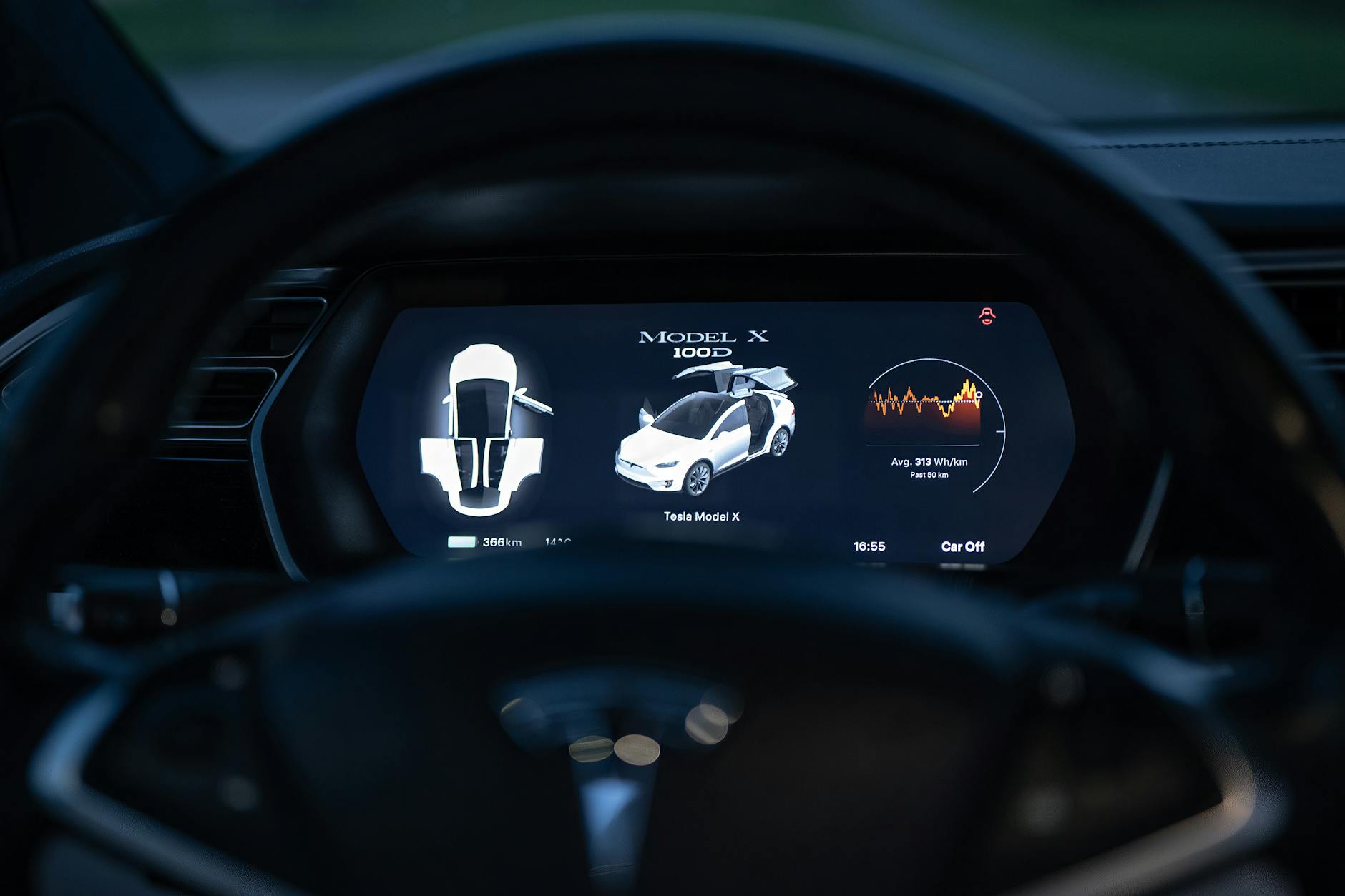
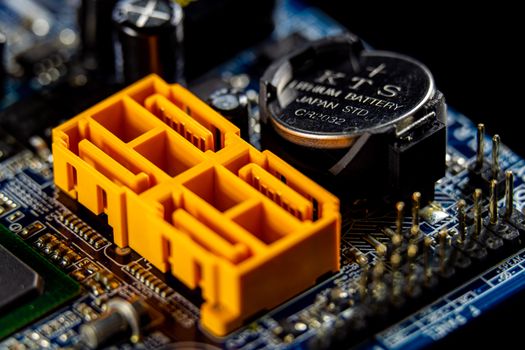 Photo: Sergei Starostin / Pexels
 Photo: smart-me AG / Pexels
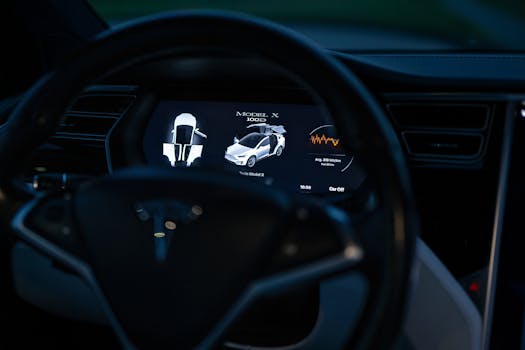 Photo: Vladimir Srajber / Pexels
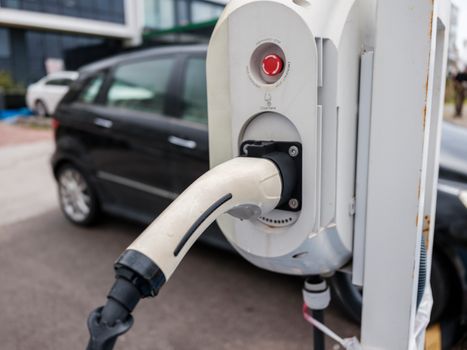 Photo: Engin Akyurt / Pexels