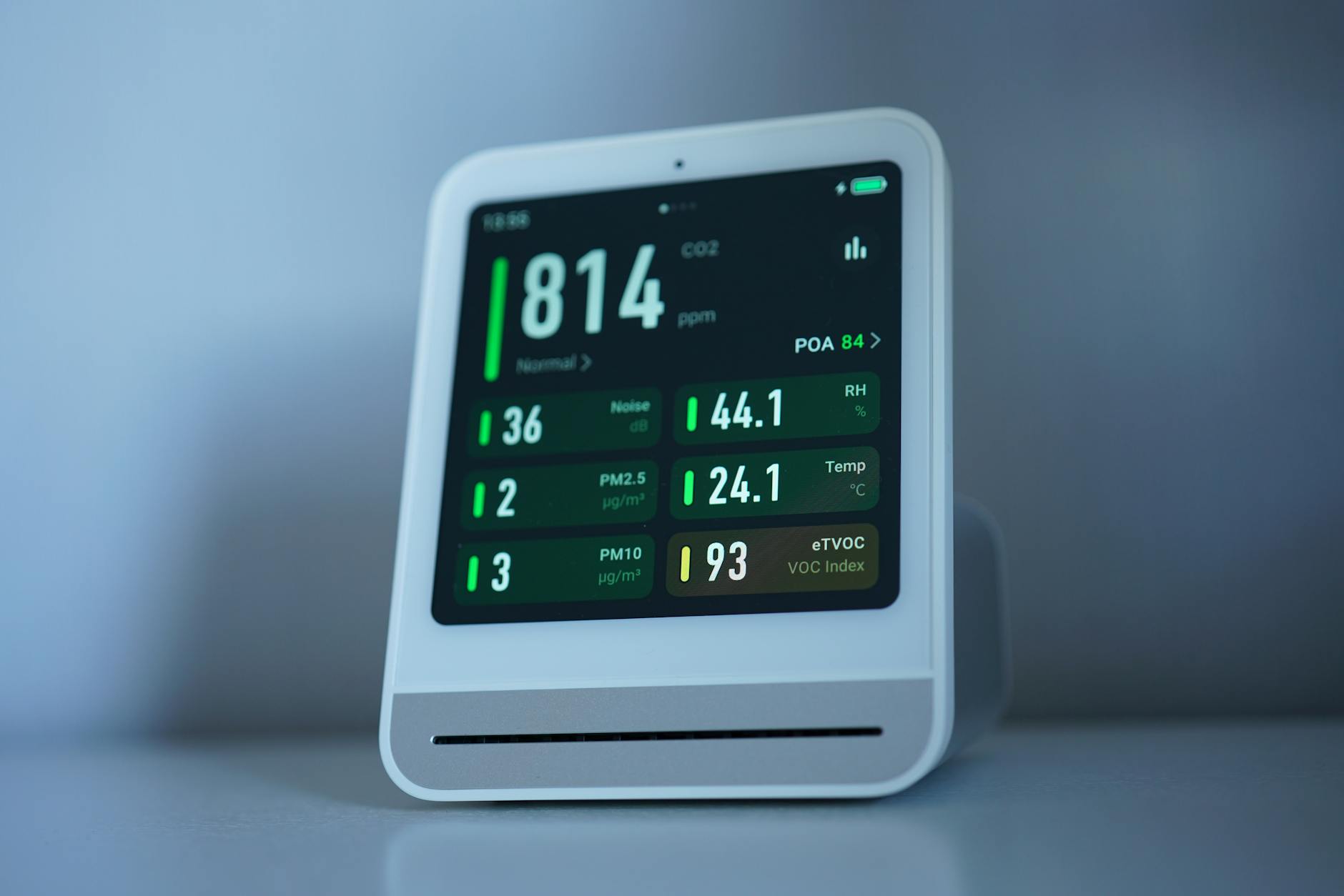
Explain Internet of Things (IoT): Your Comprehensive Guide
Discover how interconnected devices are reshaping our world, enhancing efficiency, and creating new possibilities.
Explore IoT NowKey Takeaways
- ✓ IoT refers to a network of physical objects embedded with sensors, software, and other technologies for connecting and exchanging data over the internet.
- ✓ It encompasses everything from smart home appliances to industrial machinery.
- ✓ Data collection and analysis are central to IoT's functionality, enabling automation and informed decision-making.
- ✓ Security and privacy are major considerations in the development and deployment of IoT systems.
How It Works
Sensors embedded in IoT devices gather real-time data from their environment, such as temperature, motion, or location. This raw information forms the foundation of any IoT operation.
Collected data is then transmitted via various connectivity options (Wi-Fi, Bluetooth, cellular, LPWAN) to a central platform or cloud. This secure transfer ensures data integrity and accessibility.
Once received, the data is processed, filtered, and analyzed using powerful algorithms and machine learning. This step extracts meaningful insights and patterns from the raw information.
Based on the insights, the IoT system can trigger automated actions, send alerts, or provide recommendations to users. This completes the loop, turning data into actionable intelligence and real-world results.
Understanding the Core Components of IoT Ecosystems
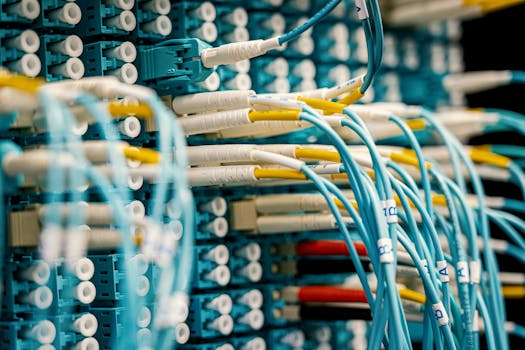 Photo: Brett Sayles / Pexels
Beyond the devices, connectivity is the next crucial layer. This involves the communication protocols and networks that allow these 'Things' to transmit the collected data. Options are diverse and chosen based on factors like range, power consumption, data rate, and cost. Wi-Fi, Bluetooth, Zigbee, and Z-Wave are common for short-range applications, particularly in smart homes. For wider areas and industrial use cases, cellular networks (3G, 4G, 5G), LPWANs (Low-Power Wide-Area Networks) like LoRaWAN and NB-IoT, and even satellite communication play vital roles. The choice of connectivity method directly impacts the efficiency and scalability of an IoT deployment.
The data collected and transmitted then needs a destination and a brain to process it. This is where cloud platforms and data processing come into play. IoT platforms, often cloud-based, provide the infrastructure for ingesting, storing, processing, and analyzing vast amounts of data generated by millions of devices. These platforms offer services like device management, data analytics, visualization tools, and integration capabilities with other enterprise systems. Advanced analytics, including machine learning and artificial intelligence, are applied to this data to extract meaningful insights, detect patterns, predict outcomes, and enable intelligent decision-making. For instance, predictive maintenance in manufacturing relies heavily on analyzing sensor data to anticipate equipment failure.
Finally, the user interface and applications layer bring IoT to life for end-users. This includes mobile apps, web dashboards, and enterprise software that allow users to monitor devices, view insights, control functions, and interact with the IoT system. This layer translates complex data and automated processes into an understandable and actionable format, making IoT valuable and accessible. Understanding these core components is essential to grasp the transformative power of IoT and how it's shaping various industries. For more insights into the broader technological landscape, consider exploring the latest advancements in tech. Each component plays a non-negotiable role in creating a functional and impactful IoT solution.
Transformative Applications Across Industries: Where IoT Shines
 Photo: ThisIsEngineering / Pexels
Beyond the comfort of home, IoT has a profound impact on urban environments through smart city initiatives. These projects leverage IoT sensors to monitor traffic flow, manage waste collection, optimize public transportation, detect air pollution levels, and even improve public safety. Smart streetlights that adjust brightness based on ambient light or pedestrian presence not only save energy but also contribute to safer streets. Predictive analytics derived from traffic sensor data can help alleviate congestion, making urban living more efficient and sustainable. These applications aim to create more livable, efficient, and environmentally friendly cities for their residents.
In the industrial sector, often referred to as the Industrial Internet of Things (IIoT), the impact is even more substantial. IIoT focuses on optimizing manufacturing processes, supply chain management, and asset tracking. Sensors on factory equipment can monitor performance, predict maintenance needs, and identify inefficiencies, leading to reduced downtime and increased productivity. For example, a sensor on a conveyor belt might detect unusual vibrations, signaling a potential malfunction before it occurs, allowing for proactive maintenance rather than reactive repairs. This shift from reactive to predictive maintenance significantly cuts operational costs and extends the lifespan of machinery. Supply chain logistics benefit from IoT through real-time tracking of goods, ensuring transparency, optimizing routes, and monitoring conditions like temperature for perishable items.
Healthcare is another sector experiencing a paradigm shift with IoT. Wearable devices (smartwatches, fitness trackers) collect vital health data, enabling continuous monitoring of patients, especially those with chronic conditions. This data can be transmitted to healthcare providers, allowing for timely interventions and personalized care. Smart hospitals use IoT for asset tracking (medical equipment, staff), patient monitoring, and even managing medication dispensing. Remote patient monitoring, facilitated by IoT, reduces hospital readmissions and provides care to individuals in remote areas, improving accessibility and quality of healthcare services. The ability to collect and analyze real-time health metrics is transforming preventive care and emergency response protocols. From agriculture to retail, IoT continues to unlock new possibilities, driving efficiency, innovation, and convenience across the globe.
Navigating the Challenges and Future of IoT Adoption
 Photo: Pixabay / Pexels
Privacy is another critical challenge. IoT devices often collect highly personal and sensitive data, from health metrics to behavioral patterns within a home or workplace. The collection, storage, and use of this data raise significant ethical questions and demand stringent regulatory frameworks. Users need transparency regarding what data is being collected, how it's used, and with whom it's shared. Without clear privacy policies and user control, trust in IoT technology can erode, hindering its adoption. Regulations like GDPR and CCPA are steps in the right direction, but the global nature of IoT necessitates international cooperation on data privacy standards.
Interoperability is also a persistent hurdle. The IoT landscape is fragmented, with numerous communication protocols, operating systems, and proprietary platforms. This lack of universal standards means that devices from different manufacturers often struggle to communicate seamlessly with each other. This fragmentation complicates system integration, increases development costs, and limits the scalability of IoT solutions. Efforts are underway to establish common standards, but achieving widespread adoption across the industry remains a challenge. The complexity of integrating disparate systems often requires specialized expertise, adding another layer of cost and difficulty.
Despite these challenges, the future of IoT is incredibly promising. We can anticipate further advancements in AI and machine learning, leading to even more intelligent and autonomous IoT systems. Edge computing, which processes data closer to the source rather than sending it all to the cloud, will become more prevalent, reducing latency and enhancing real-time decision-making, particularly critical for applications like autonomous vehicles and industrial control. The advent of 5G networks will provide the necessary bandwidth and low latency to support the massive scale of future IoT deployments, enabling richer data streams and more reliable connectivity. Furthermore, increased focus on sustainability will drive the development of energy-efficient IoT devices and applications for environmental monitoring and resource management. As these technologies mature and challenges are addressed through innovation and collaboration, IoT will continue to redefine our interactions with the physical world, creating a hyper-connected and intelligent future. For more on how these trends are shaping the future, delve into broader discussions on emerging tech. The journey of IoT is one of continuous evolution, addressing complexities while unlocking unprecedented potential.
Best Practices for Implementing IoT Solutions Effectively
 Photo: Tanha Tamanna Syed / Pexels
Comparison
| Feature | Smart Home IoT | Industrial IoT (IIoT) | Wearable IoT | Smart City IoT |
|---|---|---|---|---|
| Primary Goal | Convenience, Comfort, Efficiency | Productivity, Predictive Maintenance | Health Monitoring, Fitness Tracking | Urban Efficiency, Sustainability |
| Typical Devices | Thermostats, Lights, Speakers | Sensors on machinery, Robots | Smartwatches, Fitness bands | Traffic sensors, Smart streetlights |
| Data Volume | Moderate | High to Very High | Moderate | High |
| Criticality | Medium | High | Medium | High |
| Connectivity | Wi-Fi, Zigbee, Bluetooth | Ethernet, Cellular, LoRaWAN | Bluetooth, Cellular | Cellular, LPWAN, LoRaWAN |
| Key Challenge | Interoperability, Security | Security, Scalability, Integration | Battery Life, Data Accuracy | Funding, Interoperability, Privacy |
What Readers Say
"This article did a fantastic job to explain Internet of Things IoT in a way that was easy to understand. I've always heard the term but never fully grasped its scope until now. The examples for different industries were particularly insightful."
Sarah J. · Austin, TX"As a budding tech enthusiast, I found this explanation of IoT incredibly helpful. It broke down complex concepts into digestible pieces and clarified how these devices truly connect and function. Highly recommend for anyone curious about IoT."
Mark D. · Seattle, WA"I needed to explain Internet of Things IoT to my team, and this article provided the perfect framework. The 'How It Works' section was especially useful for demonstrating the flow of data, leading to a much clearer understanding among my colleagues."
Priya L. · New York, NY"A very thorough overview of IoT. While it covered a lot, I would have loved a deeper dive into the specific types of sensors used in different applications. Still, a great starting point for anyone looking to understand IoT basics."
Carlos R. · Miami, FL"From smart homes to industrial applications, this guide to explain Internet of Things IoT was comprehensive. It really helped me see how IoT impacts my daily life and future technologies. Excellent content!"
Emily C. · Denver, COFrequently Asked Questions
What is the fundamental concept behind the Internet of Things (IoT)?
The fundamental concept of IoT is to extend internet connectivity beyond traditional devices like computers and smartphones to a diverse range of physical objects and everyday items. These 'things' are embedded with sensors, software, and other technologies, allowing them to collect and exchange data over the internet, enabling remote monitoring, control, and automation of physical processes and environments.
Is IoT secure, and what are the main privacy concerns?
IoT security is a significant concern due to the vast number and variety of interconnected devices, many of which may have limited processing power for robust security. Main privacy concerns include unauthorized access to personal data, surveillance, and the potential for data breaches. Addressing these requires strong encryption, secure authentication, regular updates, and adherence to data privacy regulations.
How can I start building my own basic IoT project?
To start a basic IoT project, you'll need a micro-controller board (like Arduino or Raspberry Pi), some sensors (e.g., temperature, light), and a way to connect to the internet (Wi-Fi module). You'll write simple code to read sensor data, send it to a cloud platform (like AWS IoT or Google Cloud IoT), and then visualize or act upon that data using a web interface or app. Many online tutorials and starter kits are available to guide you.
What is the cost involved in implementing IoT solutions for businesses?
The cost of implementing IoT solutions for businesses varies widely depending on the scale, complexity, and specific application. Factors include hardware (sensors, devices, gateways), connectivity (data plans, network infrastructure), software (cloud platforms, analytics tools), development and integration services, and ongoing maintenance. Small-scale projects can be relatively inexpensive, while large industrial deployments can involve significant investments, often balanced by substantial ROI from efficiency gains.
How does IoT differ from traditional M2M (Machine-to-Machine) communication?
While M2M communication is a subset of IoT, IoT is a broader concept. M2M typically refers to direct communication between two machines, often in a closed, point-to-point network for specific tasks (e.g., a vending machine reporting stock levels). IoT, on the other hand, involves a vast network of diverse devices, often connecting to a cloud platform for data aggregation, complex analytics, and integration with multiple applications and services, enabling more sophisticated and interconnected solutions.
Who benefits most from the Internet of Things?
Virtually everyone benefits from the Internet of Things, but some key beneficiaries include individuals (through smart homes, wearables), businesses (enhanced efficiency, new revenue streams), governments (smart cities, public safety), and various industries like manufacturing, healthcare, agriculture, and logistics. IoT drives innovation, optimizes resource use, and improves quality of life across many sectors.
Are there any health risks associated with IoT devices?
While IoT devices generally operate at low power and emit minimal electromagnetic radiation, similar to other wireless devices, there's no conclusive scientific evidence establishing direct health risks from typical IoT usage. Concerns often revolve more around data privacy and security rather than direct physical health impacts. However, it's always advisable to follow manufacturer guidelines and best practices.
What future trends can we expect in the Internet of Things?
Future trends in IoT include greater integration with Artificial Intelligence and Machine Learning for enhanced automation and predictive capabilities, increased adoption of edge computing to process data closer to the source, pervasive 5G connectivity enabling massive IoT deployments, stronger focus on security and privacy standards, and the growth of 'IoT as a Service' models. We'll also see more sustainable IoT solutions for environmental monitoring and resource management.
Ready to dive deeper into the interconnected world? Understanding how to explain Internet of Things IoT is just the beginning. Explore our resources to discover how IoT can transform your home, business, or industry today.