✓ Both devices represent the baseline models of their respective flagship lines.
✓ iPhone 15 runs on iOS, while Samsung S24 uses Android with One UI.
✓ The S24 generally offers more customization and open ecosystem flexibility.
✓ The iPhone 15 boasts a powerful A16 Bionic chip, while the S24 features the Snapdragon 8 Gen 3 (or Exynos in some regions).
How It Works
1
Understand Your Priorities
Before diving into specs, consider what matters most to you: camera, battery life, ecosystem, or performance. This will help filter the information effectively.
2
Deep Dive into Each Category
We'll break down display, performance, cameras, battery, and software. Pay close attention to the details that align with your primary needs.
3
Evaluate Ecosystem Strengths
Consider if you're already invested in Apple's or Samsung's ecosystem. Switching can have implications for accessories, app continuity, and data transfer.
4
Assess Value and Longevity
Look beyond the initial price. Factor in software update longevity, resale value, and bundled services to determine the true long-term value of each device.
Design, Display, and Ergonomics: A First Look at Form Factor
Photo: Jakub Zerdzicki / Pexels
When you first hold the iPhone 15 and the Samsung S24, the differences in design philosophy become immediately apparent. Apple’s iPhone 15 continues its refined, flat-edged aesthetic, featuring an aerospace-grade aluminum frame and color-infused glass back. The edges are subtly contoured compared to its predecessors, offering a more comfortable grip without sacrificing the iconic look. It weighs in at a mere 171 grams (6.03 oz) and has dimensions of 147.6 x 71.6 x 7.8 mm, making it a relatively compact and manageable device for one-handed use. The display is a 6.1-inch Super Retina XDR OLED, boasting a resolution of 2556 x 1179 pixels and a peak brightness of 2000 nits outdoors. This ensures vibrant colors, deep blacks, and excellent visibility even in direct sunlight. A significant upgrade for the iPhone 15 is the adoption of the Dynamic Island, previously exclusive to Pro models, transforming the notch into a dynamic, interactive notification and activity hub. This feature enhances the user experience by providing fluid animations and quick access to background activities like music playback or timers. The display is protected by Ceramic Shield, which Apple claims is tougher than any smartphone glass.
In contrast, the Samsung Galaxy S24 presents a more rounded, yet still premium, design. It features a sleek Armor Aluminum frame and a flat display, moving away from the curved screens seen in some previous Samsung flagships. The S24 is slightly taller and wider than the iPhone 15, with dimensions of 147 x 70.6 x 7.6 mm, but it is also marginally lighter at 167 grams (5.89 oz). Its 6.2-inch Dynamic AMOLED 2X display offers a slightly larger canvas with a resolution of 2340 x 1080 pixels. While the pixel density is marginally lower than the iPhone 15, the S24 compensates with a higher refresh rate, offering a buttery-smooth adaptive refresh rate from 1Hz to 120Hz. This makes scrolling, gaming, and general navigation incredibly fluid, a feature still absent from the standard iPhone 15 which remains at a 60Hz refresh rate. The S24 also reaches an impressive peak brightness of 2600 nits, making it one of the brightest displays on the market. Both phones carry an IP68 rating for dust and water resistance, ensuring durability against everyday spills and splashes. The choice between the two often comes down to personal preference for screen size, refresh rate, and the ergonomic feel of flat versus slightly more contoured edges. For those who prioritize a higher refresh rate for a smoother visual experience, the S24 holds a distinct advantage. However, the iPhone 15's Dynamic Island and slightly higher pixel density on a smaller screen offer a compelling visual experience too. Understanding these subtle but significant differences in design and display is crucial for anyone looking to upgrade their smartphone technology. The iPhone 15's adoption of USB-C, while a huge step for Apple, brings it in line with the S24 which has long offered this universal port.
Performance and Software: Ecosystems Collide
Photo: Andrey Matveev / Pexels
Underneath their sleek exteriors, the iPhone 15 and Samsung S24 house immensely powerful processors, but they operate within fundamentally different software ecosystems. The iPhone 15 is powered by Apple’s A16 Bionic chip, the same silicon found in the previous year's iPhone 14 Pro models. This 4nm chip features a 6-core CPU (2 performance cores, 4 efficiency cores) and a 5-core GPU, along with a 16-core Neural Engine. This combination delivers exceptional raw processing power, ensuring that iOS 17 runs flawlessly. Apps launch instantly, demanding games play at high frame rates, and intensive tasks like video editing or augmented reality applications are handled with ease. Apple’s tight integration between hardware and software is a hallmark of its performance, leading to optimized power consumption and consistent user experience. iOS 17 brings refinements to the user interface, enhanced privacy features, and new functionalities like StandBy mode and improved communication apps. The closed nature of iOS contributes to its reputation for security, stability, and long-term software support, typically extending for 5-6 years.
The Samsung Galaxy S24, on the other hand, is equipped with either Qualcomm’s Snapdragon 8 Gen 3 for Galaxy (in North America, China, and some other regions) or Samsung’s Exynos 2400 (in Europe and other markets). Both chipsets are cutting-edge, built on a 4nm process, and designed to deliver top-tier performance. The Snapdragon 8 Gen 3 for Galaxy is a customized version of Qualcomm’s flagship chip, often featuring slightly higher clock speeds for its prime core compared to the standard version. It boasts a powerful CPU and an Adreno GPU, alongside a significantly upgraded NPU (Neural Processing Unit) optimized for AI tasks. The Exynos 2400 is Samsung’s own high-performance chip, featuring a deca-core CPU and an Xclipse 940 GPU, co-developed with AMD. While there can be minor performance differences between the Snapdragon and Exynos variants, both provide excellent speed and efficiency, capable of handling any task thrown at them, from intense gaming to multi-tasking with multiple apps open simultaneously. The S24 runs Android 14 with Samsung’s One UI 6.1 overlay, offering a high degree of customization, extensive widget options, and advanced multitasking features like DeX mode (allowing the phone to power a desktop-like experience). A major focus for the S24 series is Galaxy AI, which introduces a suite of on-device and cloud-based AI features, including live translation during calls, generative AI photo editing, and advanced summarization tools. Samsung has also committed to 7 years of OS updates and security patches for the S24 series, surpassing Apple's typical support window and setting a new benchmark for Android longevity.
Choosing between these two largely depends on your preference for operating systems. If you're deeply integrated into Apple’s ecosystem with other Apple devices, the seamless continuity and familiar interface of iOS on the iPhone 15 will be a significant draw. For those who value open customization, extensive widget options, and the flexibility of the Android platform, along with cutting-edge AI features and extended software support, the Samsung S24 with One UI 6.1 offers a compelling alternative. Both devices offer exceptional performance, but their approach to software and user experience remains distinct.
Camera Capabilities and Battery Life: Capturing Moments and Lasting Power
Photo: Szabó Viktor / Pexels
The camera systems on the iPhone 15 and Samsung S24 are both highly capable, designed to capture stunning photos and videos in a variety of conditions, yet they approach image processing and feature sets with distinct philosophies. The iPhone 15 features a dual-camera system on the rear, centered around a new 48-megapixel main sensor with a larger sensor and faster aperture (f/1.6). This sensor utilizes pixel-binning technology to output 24MP photos by default, offering excellent detail and improved low-light performance compared to previous standard iPhones. It also enables a 2x optical quality telephoto option by cropping into the high-resolution sensor, a significant upgrade. The second camera is a 12-megapixel ultrawide lens with an f/2.4 aperture. On the front, there’s a 12-megapixel TrueDepth camera with autofocus. Apple’s strength lies in its consistent image processing, which aims for natural color reproduction and excellent white balance. Video recording is a standout feature, with the iPhone 15 capable of shooting 4K video at up to 60 frames per second, complete with Cinematic mode for depth-of-field effects and Action mode for super-steady footage. The computational photography features, including Photonic Engine and Deep Fusion, work behind the scenes to enhance detail and dynamic range, especially in challenging lighting. Photography enthusiasts often praise the iPhone for its 'point-and-shoot' reliability and its ability to capture true-to-life colors.
Samsung’s S24 also sports a versatile triple-camera setup on the rear. It includes a 50-megapixel main sensor (f/1.8) with OIS, a 12-megapixel ultrawide lens (f/2.2), and a 10-megapixel telephoto lens (f/2.4) offering 3x optical zoom. This dedicated telephoto lens gives the S24 a distinct advantage for zooming compared to the standard iPhone 15, which relies on digital zoom from its main sensor for anything beyond 2x. The front camera is a 12-megapixel shooter with autofocus. Samsung’s image processing tends to be more vibrant, often boosting colors and contrast, which can be appealing to many users. The S24 also excels in low-light photography with its improved Nightography features. Video capabilities are equally impressive, with support for 8K video recording at 30fps (a feature not present on the standard iPhone 15) and 4K at 60fps across all cameras. A key differentiator for the S24 is its suite of AI-powered editing tools, including Generative Edit which can resize and reposition objects in photos, or fill in backgrounds, offering creative possibilities not natively available on the iPhone 15.
Moving to battery life, both devices offer all-day endurance for most users, though usage patterns will dictate exact performance. The iPhone 15 is equipped with a 3349 mAh battery, which, combined with the efficient A16 Bionic chip and iOS optimization, delivers impressive longevity. Apple quotes up to 20 hours of video playback. It supports 20W fast charging (up to 50% in about 30 minutes), 15W MagSafe wireless charging, and 7.5W Qi wireless charging. The Samsung S24 houses a slightly larger 4000 mAh battery. Thanks to the power-efficient Snapdragon 8 Gen 3 (or Exynos 2400) and optimizations in One UI, it also provides robust battery performance, often lasting a full day with moderate to heavy use. Samsung supports 25W fast charging (up to 50% in about 30 minutes), 15W wireless charging, and 4.5W reverse wireless charging (Wireless PowerShare), a feature absent from the iPhone 15. This allows the S24 to charge other Qi-compatible devices like earbuds or smartwatches. For camera enthusiasts, the S24 offers more versatility with its dedicated telephoto lens and advanced AI editing, while the iPhone 15 delivers consistent, natural-looking results with exceptional video capabilities. In terms of battery, both are strong performers, with the S24 offering reverse wireless charging as a useful extra.
Value Proposition and Long-Term Ownership: Making the Smart Choice
Photo: Muffin Creatives / Pexels
When comparing the iPhone 15 and Samsung S24, the initial price tag is just one piece of the puzzle; the true value proposition encompasses long-term ownership, ecosystem benefits, and future-proofing. Both devices typically launch around the same price point for their base models, usually starting at $799 for the iPhone 15 and $799.99 for the Samsung S24 in the US. However, trade-in offers, carrier deals, and promotional bundles can significantly alter the effective cost. It's crucial to consider these factors when making a purchase decision. While both phones are premium devices, their value extends beyond the upfront cost into areas like software support, resale value, and the overall user experience within their respective ecosystems.
Apple is renowned for its long-term software support, with iPhones typically receiving 5-6 years of major iOS updates. This ensures that even older models remain secure and compatible with the latest apps and features. The iPhone's strong resale value is another significant advantage; a well-maintained iPhone often fetches a higher percentage of its original price compared to Android counterparts when it's time to upgrade. This can offset the initial investment over time. The Apple ecosystem, with its seamless integration across devices like Apple Watch, iPad, and Mac, offers a cohesive and often effortless user experience. Features like AirDrop, Handoff, and Find My work flawlessly, adding considerable value for users already invested in Apple's product line. The App Store also maintains a reputation for stringent quality control and often receives new apps or premium features first.
Samsung has made significant strides in addressing the long-term ownership aspect with the S24 series. Their commitment to 7 years of OS updates and security patches for the S24 is a game-changer for the Android world, surpassing even Apple's typical support window. This commitment greatly enhances the longevity and future-proofing of the S24, making it a more attractive long-term investment than previous Android flagships. While Android phones traditionally have lower resale values than iPhones, this extended software support could help mitigate that trend. The Samsung ecosystem, centered around SmartThings for home automation, Samsung Health, and services like Samsung Pay, also offers a rich and interconnected experience. The flexibility of Android, allowing for greater customization, side-loading apps, and more open file management, appeals to users who prefer more control over their device. Furthermore, Samsung's Galaxy AI features, with their promise of ongoing enhancements, add a unique layer of utility that could evolve significantly over the device's extended lifespan.
Ultimately, the 'smart choice' depends on your personal priorities. If you prioritize maximum resale value, the tight-knit Apple ecosystem, and a consistently polished user experience, the iPhone 15 is a strong contender. If you value cutting-edge AI features, unparalleled software update longevity in the Android space, greater customization options, and the flexibility of the Android ecosystem, the Samsung S24 presents a compelling and future-proof package. Both devices offer excellent value, but their strengths lie in different areas, catering to diverse user preferences.
Comparison
Feature
iPhone 15
Samsung S24
Display Size
6.1-inch Super Retina XDR OLED
6.2-inch Dynamic AMOLED 2X
Refresh Rate
60Hz
1-120Hz Adaptive
Processor
A16 Bionic
Snapdragon 8 Gen 3 / Exynos 2400
Main Camera
48MP (f/1.6)
50MP (f/1.8)
Telephoto Lens
2x Optical Quality (from main sensor)
10MP 3x Optical Zoom (dedicated)
Battery Capacity
3349 mAh
4000 mAh
Charging Speed
20W Wired, 15W MagSafe
25W Wired, 15W Wireless, 4.5W Reverse Wireless
Software Updates
5-6 Years (typical)
7 Years (OS & Security)
Unique Feature
Dynamic Island
Galaxy AI, Reverse Wireless Charging
Port
USB-C
USB-C
What Readers Say
★★★★★
"I was torn between the iPhone 15 and S24 for weeks. This comparison really broke down the camera differences and helped me realize the S24's telephoto and AI features were exactly what I needed for my travel photography. So glad I read this!"
Sarah J. · Austin, TX
★★★★★
"As an Android user, I sometimes consider switching to iPhone. This article clearly outlined the ecosystem benefits and long-term support for both. The S24's 7 years of updates really cemented my decision to stick with Samsung."
Mark D. · Seattle, WA
★★★★★
"The detail on display refresh rates and brightness was super helpful. I spend a lot of time reading on my phone outdoors, and knowing the S24 has a brighter screen and smoother scrolling made a huge difference in my choice. My eyes thank you!"
Emily R. · Miami, FL
★★★★★
"I ultimately went with the iPhone 15 for its consistent video quality and Dynamic Island, which I love. While the S24's AI features are compelling, I found the iPhone's simplicity and integration with my other Apple devices more valuable for my workflow. Great comparison, very balanced."
David L. · Chicago, IL
★★★★★
"My old phone's battery was dying, so battery life was my top priority. This article's section on battery capacity and charging speeds was incredibly informative. The S24's slightly larger battery and reverse wireless charging were the deciding factors for me, allowing me to charge my earbuds on the go."
Jessica K. · Denver, CO
Frequently Asked Questions
Which phone has better battery life, the iPhone 15 or Samsung S24?
Both the iPhone 15 and Samsung S24 offer excellent all-day battery life for most users. The S24 has a physically larger 4000 mAh battery compared to the iPhone 15's 3349 mAh. However, Apple's A16 Bionic chip and iOS optimizations are highly efficient, often leading to comparable real-world endurance. The S24 also offers reverse wireless charging, a feature absent on the iPhone 15.
Is the iPhone 15's 60Hz display a significant drawback compared to the S24's 120Hz?
For many users, especially those upgrading from older 60Hz phones, the iPhone 15's display will feel perfectly smooth. However, the S24's adaptive 120Hz refresh rate provides a noticeably smoother scrolling experience, more fluid animations, and a better gaming experience. If you prioritize a super-smooth visual experience, the S24 has a distinct advantage in this area.
How do the cameras compare for low-light photography?
Both phones excel in low-light conditions thanks to advanced computational photography. The iPhone 15's larger main sensor and Photonic Engine deliver excellent detail and natural colors. The Samsung S24, with its larger sensor and improved 'Nightography' features, often produces brighter images with vibrant colors, which some users prefer. For zoom in low-light, the S24's dedicated telephoto lens provides an edge.
Which phone offers better long-term value?
This is subjective. The iPhone 15 typically holds its resale value better and benefits from Apple's long-standing reputation for consistent software support (5-6 years). However, the Samsung S24 now offers an unprecedented 7 years of OS updates and security patches, which significantly boosts its long-term value and longevity in the Android space, potentially rivaling or even surpassing Apple's offering in this regard.
Should I choose the iPhone 15 if I'm already in the Apple ecosystem?
If you are already invested in the Apple ecosystem (Mac, iPad, Apple Watch, etc.), the iPhone 15 will offer unparalleled seamless integration and continuity. Features like AirDrop, Handoff, and Find My work effortlessly across your devices, enhancing your overall user experience. Switching to Android would mean losing some of these convenient cross-device functionalities.
Who should choose the Samsung S24 over the iPhone 15?
The Samsung S24 is ideal for users who prioritize a high refresh rate display (120Hz), a dedicated telephoto lens for optical zoom, cutting-edge AI features (Galaxy AI), extensive software update longevity (7 years), greater customization options, and the flexibility of the Android ecosystem, especially if they are not deeply embedded in Apple's ecosystem.
Are there any security differences between iOS and Android on these devices?
Both iOS (iPhone 15) and Android with One UI (Samsung S24) have robust security features. iOS is often perceived as a more closed and tightly controlled ecosystem, which can lead to fewer security vulnerabilities from third-party apps. Samsung's Knox security platform on the S24 provides enterprise-grade protection, and both companies regularly release security updates. Ultimately, both are very secure, but their approaches differ.
What are the future trends for these phones?
Future trends for these phones will likely focus on continued AI integration, particularly for Samsung with its 'Galaxy AI' features becoming more robust and widespread. For Apple, we can expect further refinements to the Dynamic Island, enhanced computational photography, and potentially higher refresh rates on standard models. Both will continue to push the boundaries of mobile chip performance, display technology, and battery efficiency, with an increasing emphasis on sustainability and repairability.
Choosing between the iPhone 15 and Samsung S24 comes down to your personal priorities and ecosystem preference. Use this comprehensive comparison to weigh the features that matter most to you, ensuring your next flagship smartphone perfectly aligns with your digital lifestyle. Make an informed decision and enjoy your new device!

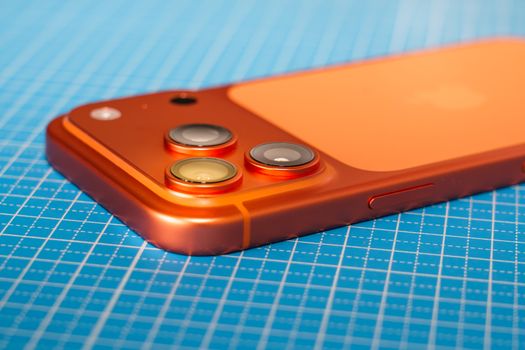 Photo: Jakub Zerdzicki / Pexels
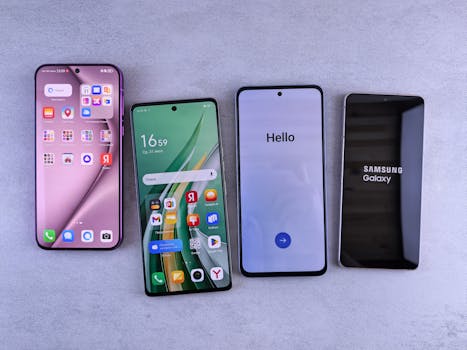 Photo: Andrey Matveev / Pexels
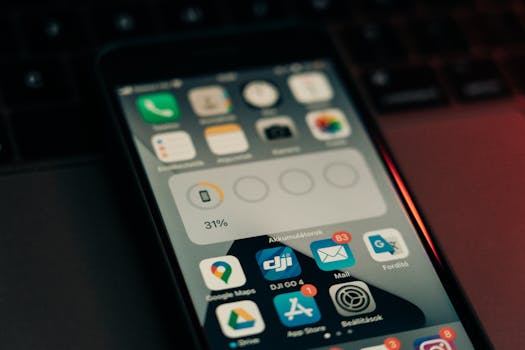 Photo: Szabó Viktor / Pexels
 Photo: Muffin Creatives / Pexels