✓ iPhone 15 features Apple's A16 Bionic chip, Dynamic Island, and a 48MP main camera.
✓ Samsung Galaxy S24 is powered by the Snapdragon 8 Gen 3 (or Exynos 2400) and boasts advanced AI capabilities.
✓ Both devices offer vibrant OLED displays, excellent camera systems, and premium build quality.
✓ The choice often comes down to ecosystem preference: iOS for seamless Apple integration, Android for customization and open-source flexibility.
How It Works
1
Understand Your Priorities
Before diving into specs, consider what matters most to you: camera quality, battery life, ecosystem, gaming performance, or specific AI features. This initial reflection will narrow down your focus.
2
Analyze Core Specifications
We'll break down the processors, displays, battery sizes, and storage options for both the iPhone 15 and Galaxy S24. Understanding these fundamental differences is key to an informed decision.
3
Evaluate Ecosystem and Software
Explore the distinct advantages of Apple's iOS versus Samsung's One UI on Android. Consider app availability, integration with other devices, and user interface preferences.
4
Consider Camera Performance and AI
Examine the camera hardware and software capabilities of each phone, including new photographic features and the burgeoning role of artificial intelligence in both devices. We'll help you discern which excels in your preferred photography scenarios.
Performance and Processing Power: A Deep Dive into iPhone 15 vs S24
Photo: Marta Branco / Pexels
When you compare iPhone 15 vs Samsung Galaxy S24, one of the most critical aspects for many users is the raw performance and processing power. At the heart of the iPhone 15 lies Apple's A16 Bionic chip. This powerhouse, first introduced with the iPhone 14 Pro models, brings a 6-core CPU (2 performance cores, 4 efficiency cores) and a 5-core GPU, alongside a 16-core Neural Engine. This configuration delivers exceptional speed for everyday tasks, demanding games, and intensive applications like video editing. Apple's integrated hardware and software approach means the A16 Bionic is incredibly optimized, leading to smooth operation, efficient power consumption, and long-term support. Users will experience seamless multitasking, rapid app launches, and consistent performance even under heavy loads. The neural engine, responsible for machine learning tasks, enhances everything from computational photography to Siri's responsiveness and on-device AI features. This ensures that the iPhone 15 is not just fast today, but capable of handling future software demands. Learn more about smartphone chipsets.
On the other side, the Samsung Galaxy S24 typically features Qualcomm's Snapdragon 8 Gen 3 for Galaxy in the US and some international markets, while other regions may receive Samsung's Exynos 2400 chip. The Snapdragon 8 Gen 3 is a formidable competitor, built on a 4nm process, offering an octa-core CPU layout (often a prime core, multiple performance cores, and efficiency cores) and a powerful Adreno GPU. This chip is designed for peak performance in Android's more open ecosystem, excelling in gaming, AI processing, and handling multiple complex applications simultaneously. Samsung's 'for Galaxy' variant often includes slight clock speed bumps or optimizations specifically tailored for their devices, pushing the envelope of Android performance. The Exynos 2400, while varying in its architectural specifics, also aims to deliver top-tier performance, often focusing on integrated modem capabilities and specific AI accelerators. Both chipsets are at the forefront of smartphone technology, capable of running the most demanding apps and games with ease. However, the software optimization on the iPhone often gives it an edge in sustained performance and efficiency, while the Galaxy S24's chip might offer higher peak theoretical performance in certain benchmarks. The real-world difference for the average user in daily tasks is often negligible, with both devices feeling incredibly fast and responsive. Gamers might notice slight variations in frame rates or thermal management under extended heavy use, but for general usage, both are stellar performers.
Display and Design: Aesthetics and User Experience
Photo: Andrey Matveev / Pexels
When comparing the iPhone 15 vs Samsung Galaxy S24, the display and overall design play a crucial role in the user experience. The iPhone 15 features a 6.1-inch Super Retina XDR OLED display, offering vibrant colors, deep blacks, and excellent contrast. Its resolution of 2556 x 1179 pixels results in a pixel density of approximately 460 ppi, ensuring sharp text and detailed images. A key design element introduced to the standard iPhone 15 is the Dynamic Island, which cleverly integrates the front camera and Face ID sensors into an interactive, pill-shaped cutout. This dynamic area expands and contracts to show alerts, notifications, and ongoing background activities, transforming a hardware cutout into a functional and engaging software feature. The display also boasts a peak brightness of up to 2000 nits outdoors, making it highly legible even in direct sunlight. The iPhone 15 retains Apple's signature flat-edge design, with an aerospace-grade aluminum frame and color-infused glass back, offering a premium feel and durable construction. It also features Ceramic Shield on the front, providing enhanced drop performance.
Conversely, the Samsung Galaxy S24 sports a 6.2-inch Dynamic AMOLED 2X display, slightly larger than the iPhone 15. It offers a resolution of 2340 x 1080 pixels, resulting in a pixel density of around 416 ppi. While slightly lower in pixel density, Samsung's AMOLED panels are renowned for their incredible color accuracy, brightness, and contrast. A significant advantage of the Galaxy S24's display is its adaptive refresh rate, which can go from 1Hz to 120Hz. This allows for incredibly smooth scrolling and animations, while also conserving battery life by dropping to lower refresh rates when static content is displayed. The Galaxy S24 also boasts an impressive peak brightness, often surpassing the iPhone in certain scenarios, enhancing outdoor visibility. Design-wise, Samsung continues with its refined, minimalist aesthetic, featuring a flatter frame than previous generations and a more seamless camera bump integration. The S24 typically uses an Armor Aluminum frame and Gorilla Glass Victus 2 on both the front and back, providing robust protection. While the iPhone 15's Dynamic Island is a unique software-hardware integration, the Galaxy S24 opts for a more traditional punch-hole cutout for its front camera, maximizing screen real estate. Both phones offer IP68 water and dust resistance, ensuring durability against everyday elements. The choice between these two largely comes down to personal preference for screen size, refresh rate, and the aesthetic appeal of the Dynamic Island versus a punch-hole camera.
Camera Capabilities and AI Features: Capturing Moments with iPhone 15 and Galaxy S24
Photo: Sebastian Luna / Pexels
The camera systems are often a primary differentiator when consumers compare iPhone 15 vs Samsung Galaxy S24, and both devices bring significant advancements to the table. The iPhone 15 features a powerful dual-camera system on the rear, highlighted by a new 48MP main sensor. This sensor utilizes pixel binning to produce stunning 24MP default photos with incredible detail and dynamic range, while also offering a 2x optical quality telephoto option by cropping the sensor. It boasts a larger sensor and improved aperture compared to its predecessor, leading to better low-light performance. The ultra-wide camera remains at 12MP, offering a broader perspective for landscapes and group shots. Apple's computational photography, including Photonic Engine and Deep Fusion, works tirelessly in the background to optimize every shot, ensuring accurate colors, balanced exposures, and fine detail. Portrait mode has been enhanced, allowing users to shift focus after the photo is taken, and automatically detecting subjects. For video, the iPhone 15 excels with 4K recording up to 60fps, Cinematic mode for shallow depth-of-field effects, and Action mode for incredibly stable footage. The front-facing 12MP TrueDepth camera also supports autofocus and improved low-light performance. Apple's approach focuses on consistency and ease of use, delivering excellent results with minimal user intervention. Explore advanced smartphone photography.
Samsung's Galaxy S24, on the other hand, also offers a versatile triple-camera setup. It features a 50MP main sensor, a 12MP ultra-wide lens, and a 10MP telephoto lens with 3x optical zoom. The higher megapixel count on the main sensor, similar to the iPhone, uses pixel binning for detailed default shots and offers flexibility for cropping. The dedicated telephoto lens provides true optical zoom, which can be a significant advantage for capturing distant subjects without loss of quality. Samsung's cameras are known for their vibrant and punchy colors, often appealing to users who prefer a more saturated look. The Galaxy S24 introduces a suite of 'Galaxy AI' features, particularly enhancing its camera and photo editing capabilities. These include Generative Edit, which allows users to move or remove subjects and fill in backgrounds, and Edit Suggestion, which recommends optimal edits for your photos. Other AI features extend to Nightography, improving low-light video and stills, and enhanced object recognition. For video, the S24 supports 8K recording at 30fps (on certain models/regions) and 4K up to 60fps across all lenses. The front 12MP camera also delivers strong selfie performance. While both phones capture excellent images, the iPhone often leans towards a more natural color profile and consistent results, whereas the Galaxy S24 offers more zoom versatility and a richer suite of AI-powered editing tools, providing a more 'fun' and customizable photography experience. The choice here largely depends on whether you prioritize Apple's natural rendering and video prowess or Samsung's zoom capabilities and cutting-edge AI photo manipulation.
Battery Life, Charging, and Ecosystem: Powering Your Daily Life and Beyond
Photo: Eleonora Vokueva / Pexels
Battery life and charging speeds are paramount for modern smartphone users, and when you compare iPhone 15 vs Samsung Galaxy S24, both offer competitive endurance. The iPhone 15, while Apple doesn't disclose exact battery capacities, is optimized to deliver 'all-day battery life.' Independent tests typically show it comfortably lasting a full day of mixed usage, thanks to the efficiency of the A16 Bionic chip and iOS's power management. It supports fast charging, allowing it to reach up to 50% charge in about 30 minutes with a 20W adapter (sold separately), and also features MagSafe wireless charging up to 15W and standard Qi wireless charging up to 7.5W. A significant change for the iPhone 15 is the adoption of USB-C, finally bringing universal charging convenience and faster data transfer speeds (though limited to USB 2.0 speeds on the standard 15, unlike the Pro models).
The Samsung Galaxy S24 typically houses a slightly larger battery capacity (e.g., around 4000mAh) compared to the iPhone 15's estimated capacity. Coupled with the adaptive 1-120Hz display and power-efficient Snapdragon 8 Gen 3/Exynos 2400, the S24 also delivers robust all-day battery life, often matching or slightly exceeding the iPhone 15 in certain usage scenarios. It supports faster wired charging, usually up to 25W, though specific models or regions might support higher. Wireless charging is also supported, typically at 15W, along with reverse wireless charging (Wireless PowerShare) which allows the S24 to charge other Qi-compatible devices like earbuds or smartwatches. This feature is a distinct advantage for Samsung users. In terms of ecosystem, the iPhone 15 is deeply embedded in Apple's walled garden, offering seamless integration with Mac, iPad, Apple Watch, and AirPods through features like Handoff, AirDrop, and iCloud. This creates a cohesive and intuitive experience for users already invested in the Apple ecosystem. The Galaxy S24, running Android with Samsung's One UI, offers a more open and customizable experience. It integrates well with Google services and a vast array of third-party Android devices. Samsung also has its own ecosystem plays, such as SmartThings for smart home control, Samsung DeX for a desktop-like experience, and closer integration with Windows PCs. The choice between these two ecosystems is highly personal; iOS offers simplicity and tight integration, while Android provides flexibility, customization, and more open connectivity options. Both are excellent choices for daily use, but your existing tech landscape and preference for openness versus integration will be the deciding factor.
Comparison
Feature
iPhone 15
Samsung Galaxy S24
Processor
A16 Bionic
Snapdragon 8 Gen 3 for Galaxy / Exynos 2400
Display Size
6.1-inch Super Retina XDR OLED
6.2-inch Dynamic AMOLED 2X
Refresh Rate
60Hz
1-120Hz Adaptive
Main Camera
48MP (f/1.6)
50MP (f/1.8)
Telephoto Lens
2x Optical Quality (digital crop)
10MP (3x Optical Zoom)
Charging Port
USB-C (USB 2.0)
USB-C (USB 3.2)
AI Features
Advanced Computational Photography
Galaxy AI (Generative Edit, Circle to Search)
Dynamic Island
✓
✗
Reverse Wireless Charging
✗
✓
What Readers Say
★★★★★
"I was torn trying to compare iPhone 15 vs Samsung Galaxy S24, but ultimately went with the S24 for its 120Hz display and the incredible AI photo editing features. It's truly a game-changer for my social media content."
Sarah Chen · Austin, TX
★★★★★
"As a long-time Apple user, the iPhone 15 was a natural upgrade. The Dynamic Island is surprisingly useful, and the camera quality is just superb for everyday shots. It feels like a significant step up from my previous iPhone."
Michael Davis · Seattle, WA
★★★★★
"After reading this comparison, I picked the Galaxy S24, mainly for the 3x optical zoom and the flexibility of Android. I'm getting amazing photos of my kids' soccer games from the sidelines, which my old phone couldn't do."
Jessica Lee · Miami, FL
★★★★★
"The iPhone 15 is a solid phone, and the USB-C port was a welcome change. While I wish it had a 120Hz display like the S24, the overall smoothness of iOS and the build quality still make it a fantastic device for my daily needs."
David Rodriguez · Chicago, IL
★★★★★
"My decision to compare iPhone 15 vs Samsung Galaxy S24 came down to ecosystem. Since I have an Apple Watch and MacBook, the iPhone 15 seamlessly integrated, making my workflow incredibly efficient. The camera is also top-notch for capturing mountain landscapes."
Emily White · Denver, CO
Frequently Asked Questions
Which phone has a better camera: iPhone 15 or Galaxy S24?
Both phones have excellent camera systems, but their strengths differ. The iPhone 15 excels with consistent, natural-looking photos and superior video capabilities. The Galaxy S24 offers a dedicated telephoto lens for better optical zoom and a broader suite of AI-powered editing tools, often producing more vibrant, punchy colors.
Is the 120Hz display on the Galaxy S24 a significant advantage over the iPhone 15's 60Hz?
Yes, for many users, the 120Hz adaptive refresh rate on the Galaxy S24 provides a noticeably smoother scrolling experience and more fluid animations compared to the iPhone 15's 60Hz display. This difference is particularly apparent in gaming and general UI navigation, contributing to a more premium feel.
How do the battery lives compare between the iPhone 15 and Galaxy S24?
Both the iPhone 15 and Galaxy S24 offer impressive all-day battery life for most users. The iPhone 15 benefits from Apple's highly optimized A16 Bionic chip and iOS. The Galaxy S24, with its efficient Snapdragon 8 Gen 3/Exynos 2400 and adaptive refresh rate display, also delivers excellent endurance. Real-world usage can vary, but both are strong performers.
Which phone offers better value for money?
Value for money is subjective and depends on your priorities. The iPhone 15 offers a highly polished user experience, strong long-term software support, and a robust ecosystem. The Galaxy S24 provides more advanced display technology, versatile camera hardware (with optical zoom), and cutting-edge AI features. Both are premium devices, and the 'better value' depends on which features you prioritize and your ecosystem preference.
Should I choose iPhone 15 or Galaxy S24 if I prioritize gaming?
Both phones are excellent for gaming due to their powerful processors. The Galaxy S24's 120Hz display will offer a smoother and more immersive gaming experience. However, the iPhone 15's A16 Bionic often delivers slightly more consistent sustained performance in graphically intensive titles due to Apple's tight hardware-software integration.
Who should buy the iPhone 15?
The iPhone 15 is ideal for users already in the Apple ecosystem, those who prioritize ease of use, consistent camera performance, long-term software updates, and a strong emphasis on privacy and security. It's a great choice for anyone seeking a premium, reliable smartphone with a cohesive user experience.
Are there any privacy differences between iOS and Android on these devices?
Both Apple and Google (and Samsung) have made significant strides in privacy. iOS is generally perceived as having a stricter approach to user data and app permissions by default. Android, while offering more customization, gives users granular control over permissions. Both provide robust security features, but Apple's ecosystem is often seen as more tightly controlled regarding data.
What's the future trend for AI features in these smartphones?
The trend for AI in both iPhone and Galaxy devices is towards more on-device processing for privacy and speed, enhancing everything from photography and video editing to personal assistance and accessibility. Expect more sophisticated generative AI features, improved contextual awareness, and seamless integration of AI into daily tasks, making phones even smarter and more proactive.
Choosing between the iPhone 15 and Samsung Galaxy S24 is a significant decision, reflecting your personal preferences for ecosystem, features, and user experience. Use this comprehensive comparison to align your needs with the strengths of each device, ensuring you make an informed choice that will serve you well for years to come.

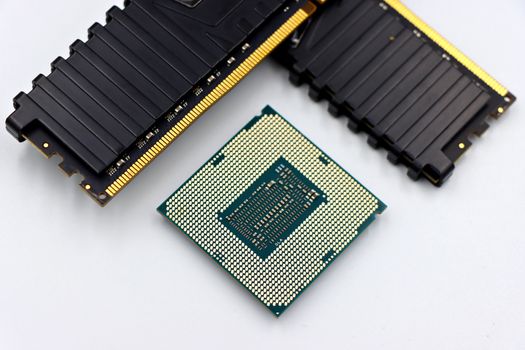 Photo: Marta Branco / Pexels
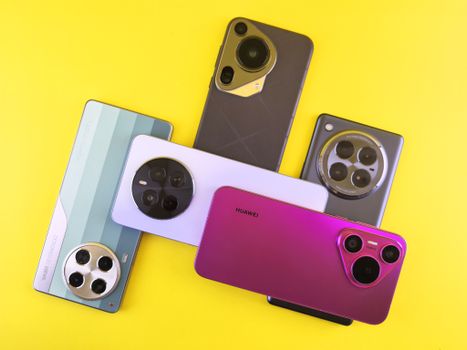 Photo: Andrey Matveev / Pexels
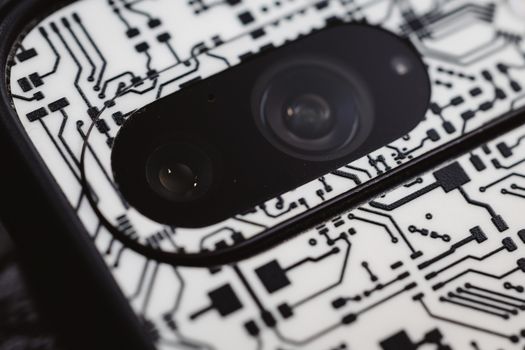 Photo: Sebastian Luna / Pexels
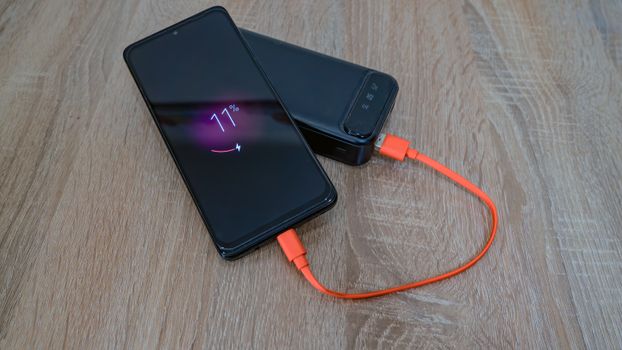 Photo: Eleonora Vokueva / Pexels