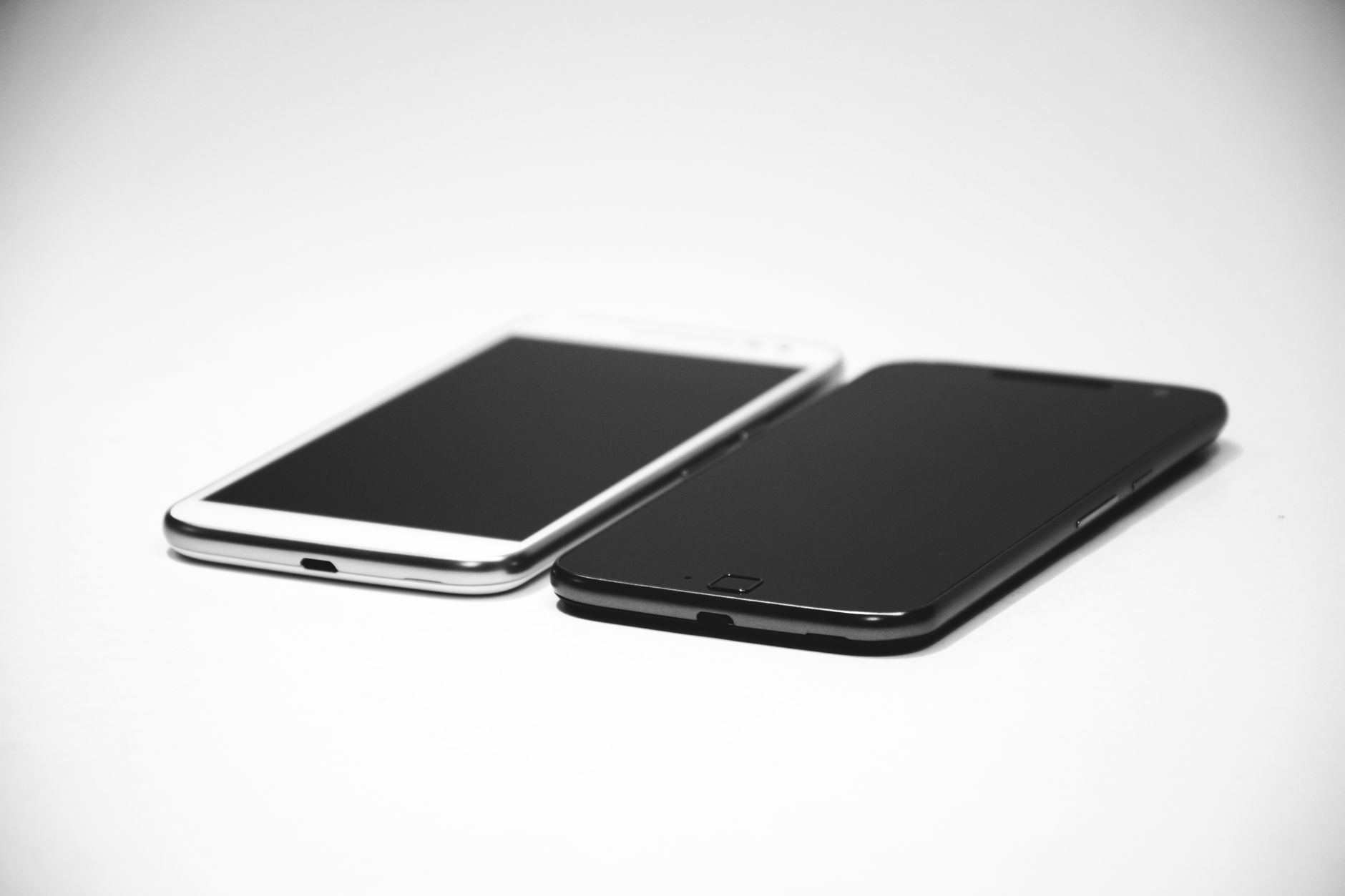
Compare iPhone 15 vs Samsung Galaxy S24: Which Reigns Supreme?
iPhone 15 vs Galaxy S24

Compare iPhone 15 vs Samsung Galaxy S24: Which Reigns Supreme?

Uncover the definitive differences and similarities to make an informed decision on your next flagship smartphone.

Choose Your Champion

Key Takeaways

  • ✓ The iPhone 15 features Apple's A16 Bionic chip, while the Galaxy S24 uses the Snapdragon 8 Gen 3 (or Exynos 2400 in some regions).
  • ✓ Both phones offer excellent camera systems, but with different processing philosophies and feature sets.
  • ✓ The iPhone 15 runs iOS, known for its simplicity and ecosystem, while the Galaxy S24 runs Android with Samsung's One UI, offering greater customization.
  • ✓ Battery life and charging speeds vary, with Samsung often offering faster wired charging, though both provide wireless charging.
  • ✓ Pricing for both devices starts at a premium, with various storage configurations affecting the final cost.

How It Works

1
Understand Your Priorities

Before diving into specs, consider what matters most to you: camera quality, operating system, battery life, or ecosystem integration. This will guide your comparison.

2
Deep Dive into Core Features

Examine key areas like performance, display, camera, and battery for both the iPhone 15 and Galaxy S24. Pay attention to specific metrics and user experiences.

3
Evaluate Ecosystem and Software

Consider whether you prefer Apple's iOS and its integrated ecosystem or Samsung's Android with One UI and its customization options. This is a significant factor for long-term satisfaction.

4
Assess Value and Future-Proofing

Look beyond the initial price tag to consider resale value, software update longevity, and overall durability. This helps in making a sustainable and smart investment.

Performance and Processing Power: A Chipset Showdown
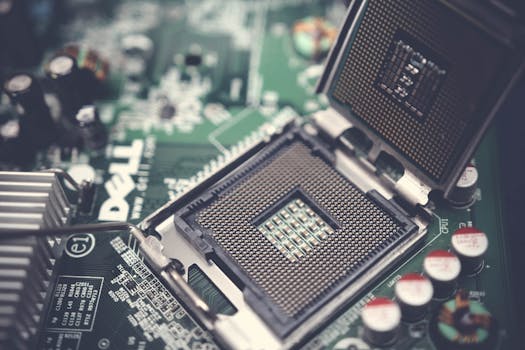
Detailed close-up shot of a computer motherboard featuring an open CPU socket and electronic components. Photo: Pok Rie / Pexels
When you compare iPhone 15 vs Samsung Galaxy S24, one of the most fundamental battlegrounds is raw performance, dictated by the heart of each device: its processor. The iPhone 15 is powered by Apple's A16 Bionic chip, a marvel of engineering that debuted with the iPhone 14 Pro models. This chip boasts a 6-core CPU (2 performance, 4 efficiency) and a 5-core GPU, along with a 16-core Neural Engine capable of 17 trillion operations per second. Apple's integrated hardware and software approach allows the A16 Bionic to deliver exceptional speed, efficiency, and seamless multitasking. From demanding mobile gaming to intensive video editing on the go, the iPhone 15 handles virtually everything with fluid responsiveness and minimal lag. Its efficiency cores ensure that everyday tasks consume less power, contributing to respectable battery life. The A16 Bionic also plays a crucial role in advanced computational photography and machine learning tasks, enhancing everything from image processing to Siri's responsiveness. Apple's control over both chip design and operating system allows for unparalleled optimization, ensuring that the hardware is perfectly tuned to run iOS and its applications. On the other side of the ring, the Samsung Galaxy S24 (in the US and some other regions) features Qualcomm's latest flagship processor, the Snapdragon 8 Gen 3 for Galaxy. This custom-tuned version of the Snapdragon 8 Gen 3 offers enhanced clock speeds and performance optimizations specifically for Samsung devices. In other regions, the Galaxy S24 may come with Samsung's own Exynos 2400 chip. Both the Snapdragon 8 Gen 3 and Exynos 2400 are formidable processors, featuring advanced CPU architectures, powerful GPUs, and dedicated NPU (Neural Processing Unit) cores for AI tasks. The Snapdragon 8 Gen 3, for instance, typically includes a prime core, several performance cores, and efficiency cores, alongside a cutting-edge Adreno GPU. This configuration delivers staggering multi-core performance, superior graphics rendering, and significant advancements in AI capabilities, which are central to many of the Galaxy S24's new features, such as advanced photo editing and real-time language translation. Benchmarking tools often show both chips trading blows, with the A16 Bionic sometimes excelling in single-core performance and the Snapdragon 8 Gen 3 pushing ahead in multi-core or certain GPU-intensive tests. However, in real-world usage, both phones offer a premium, lag-free experience. The choice often comes down to preference for iOS's optimized fluidity or Android's raw power and flexibility. For a deeper dive into mobile chipsets, you can explore the evolution of smartphone processors.

Display and Design: Aesthetics Meet Functionality

Close-up of smartphones displaying Pexels stock photo website, showcasing modern technology. Photo: Muffin Creatives / Pexels
The visual experience is paramount in a modern smartphone, and both the iPhone 15 and Samsung Galaxy S24 deliver stunning displays, albeit with distinct philosophies. The iPhone 15 sports a 6.1-inch Super Retina XDR OLED display, offering vibrant colors, deep blacks, and excellent contrast. Its resolution of 2556 x 1179 pixels results in a pixel density of approximately 460 ppi, ensuring crisp text and sharp images. A key feature introduced to the standard iPhone 15 is the Dynamic Island, which cleverly integrates the front camera and Face ID sensors into a dynamic, interactive notification and activity hub. While the iPhone 15's display refresh rate remains at 60Hz, it still provides a smooth visual experience for most users, benefiting from iOS's optimized animations. The peak brightness is impressive, reaching up to 2000 nits outdoors, making it highly legible even in direct sunlight. The design language of the iPhone 15 maintains Apple's iconic flat-edged aesthetic, but with subtly contoured edges for a more comfortable grip. The back features color-infused glass, giving it a premium matte finish that's also more durable than previous generations. The Ceramic Shield front cover offers enhanced drop protection. Conversely, the Samsung Galaxy S24 features a 6.2-inch Dynamic AMOLED 2X display. Samsung is renowned for its AMOLED technology, and the S24's panel is no exception, offering incredibly vivid colors, true blacks, and exceptional brightness. With a resolution of 2340 x 1080 pixels, it has a slightly lower pixel density than the iPhone 15 but is still incredibly sharp at around 416 ppi. A significant advantage of the Galaxy S24's display is its adaptive refresh rate, which can scale from 1Hz to 120Hz. This not only provides incredibly smooth scrolling and gaming but also conserves battery life by lowering the refresh rate when static content is displayed. The peak brightness can also reach an astounding 2600 nits, making it one of the brightest displays on the market. The Galaxy S24's design is refined, featuring flat edges and a more symmetrical bezel design compared to its predecessors. It uses Armor Aluminum for the frame, promising enhanced durability, and Gorilla Glass Victus 2 on both the front and back for scratch and drop resistance. The punch-hole cutout for the front camera is less intrusive for many users compared to the Dynamic Island, offering a more expansive viewing experience. Both phones offer IP68 water and dust resistance, ensuring they can withstand splashes and submersion. The choice between them often boils down to preference for the Dynamic Island's functionality versus the 120Hz refresh rate and slightly larger, brighter screen of the S24.

Camera Capabilities and Computational Photography
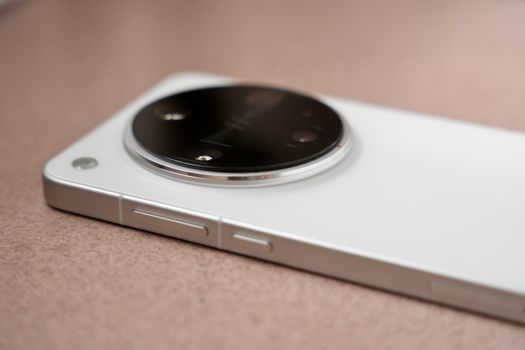
Detailed shot of a smartphone's sleek camera module, showcasing its design and features. Photo: 李 先生 / Pexels
For many users, the camera system is the single most important feature when they compare iPhone 15 vs Samsung Galaxy S24. Both devices are photographic powerhouses, but they approach image capture and processing with distinct philosophies. The iPhone 15 steps up its game significantly with a new 48MP Main camera, a first for the standard iPhone line. This sensor uses pixel binning to produce excellent 24MP photos by default, capturing more light and detail. It also enables a 2x optical quality telephoto option by cropping the high-resolution sensor, providing versatility without a dedicated telephoto lens. The iPhone 15 retains a 12MP Ultra Wide camera, perfect for expansive landscapes and group shots. Apple's computational photography, driven by the A16 Bionic chip, excels in delivering consistent, true-to-life colors and excellent dynamic range. Features like Photonic Engine enhance low-light performance, and Smart HDR 5 intelligently processes scenes for optimal exposure. Portrait mode has also seen improvements, allowing users to shift focus after the shot is taken. Video recording remains a strong suit for the iPhone, offering cinematic mode, action mode, and 4K video recording at up to 60fps with impressive stabilization. The front-facing 12MP TrueDepth camera also benefits from autofocus and improved low-light performance. The Samsung Galaxy S24, on the other hand, comes equipped with a versatile triple-camera setup. It features a 50MP Main wide-angle camera with OIS (Optical Image Stabilization), a 12MP Ultra-Wide camera, and a 10MP Telephoto lens capable of 3x optical zoom. This dedicated telephoto lens gives the S24 a distinct advantage for capturing distant subjects without digital degradation. Samsung's camera processing often aims for more vibrant, punchy colors, which many users find appealing, especially for social media. The Snapdragon 8 Gen 3 (or Exynos 2400) powers advanced AI features, including improved Nightography for stunning low-light photos and videos, and AI-powered editing tools that can suggest enhancements or even move objects within a photo. Video capabilities are equally impressive, with support for 8K video recording at 30fps and various professional video modes. The 12MP front camera also delivers excellent selfies with autofocus. While Apple focuses on natural representation, Samsung often leans into enhancing reality, providing more 'pop' to its images. The choice here often depends on whether you prefer Apple's more natural, consistent output or Samsung's vibrant, feature-rich approach with a dedicated telephoto lens. Both are exceptional, but their strengths lie in different areas. For more on mobile photography trends, check out the future of smartphone cameras.

Battery Life, Charging, and Ecosystem Integration
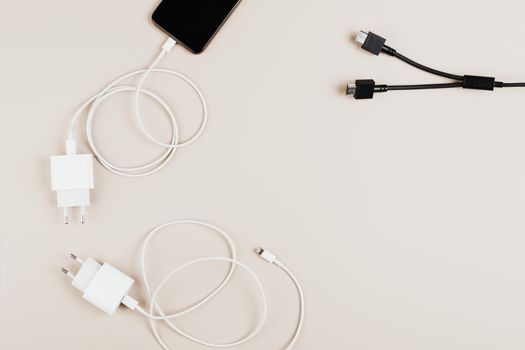
Flat lay of mobile devices with chargers and cables on a neutral background. Photo: www.kaboompics.com / Pexels
When deciding between the iPhone 15 and the Samsung Galaxy S24, practical considerations like battery life, charging capabilities, and how well each device integrates into its respective ecosystem are crucial. The iPhone 15 is equipped with a 3,349 mAh battery, which, when combined with the power-efficient A16 Bionic chip and iOS optimization, delivers excellent all-day battery life for most users. Apple rates it for up to 20 hours of video playback. For charging, the iPhone 15 finally adopts USB-C, allowing for faster data transfer and universal compatibility with many other devices. It supports fast charging, reaching up to 50% charge in about 30 minutes with a 20W or higher adapter (sold separately). Wireless charging is available via MagSafe at up to 15W and Qi2 compatible chargers, and standard Qi wireless charging at up to 7.5W. Apple's ecosystem is a major draw, offering seamless integration with other Apple devices like AirPods, Apple Watch, and Macs. Features like AirDrop, Handoff, and iCloud provide a cohesive and intuitive user experience across all devices, making it incredibly convenient for those already invested in the Apple universe. The long-term software support, typically 5-7 years, also adds to its value. The Samsung Galaxy S24 houses a slightly larger 4,000 mAh battery. Thanks to the adaptive 1-120Hz display and the efficient Snapdragon 8 Gen 3 (or Exynos 2400) processor, it also offers robust all-day battery performance, often comparable to or slightly better than the iPhone 15 under similar usage patterns. Samsung typically provides faster wired charging speeds, with the Galaxy S24 supporting up to 25W fast charging, though it also requires a compatible charger sold separately. Wireless charging is supported at 15W, and it includes Wireless PowerShare, allowing you to wirelessly charge other Qi-compatible devices (like earbuds or smartwatches) directly from the back of the phone. Samsung's ecosystem, while not as tightly integrated as Apple's, offers its own set of advantages. Features like Samsung DeX allow you to connect your phone to a monitor and use it like a desktop computer. SmartThings provides comprehensive smart home control, and the Galaxy ecosystem connects well with Samsung's tablets, smartwatches, and earbuds. Android's open nature also allows for greater customization and flexibility, with more options for third-party apps and widgets. Samsung also offers excellent software support, promising 7 years of OS updates and security patches for the S24 series, surpassing Apple's typical update cycle and making it a strong contender for long-term use. The choice between the two often comes down to personal preference for iOS's streamlined integration or Android's flexibility and Samsung's unique features like DeX.

Comparison

FeatureiPhone 15Samsung Galaxy S24
Display Size6.1-inch Super Retina XDR OLED6.2-inch Dynamic AMOLED 2X
Refresh Rate60Hz1-120Hz Adaptive
ProcessorA16 BionicSnapdragon 8 Gen 3 for Galaxy / Exynos 2400
Main Camera48MP (OIS)50MP (OIS)
Telephoto Lens2x Optical Quality (via Main Sensor)10MP (3x Optical Zoom)
Battery Capacity3,349 mAh (approx.)4,000 mAh
Wired ChargingUp to 20WUp to 25W
Wireless ChargingMagSafe 15W / Qi 7.5W15W / Wireless PowerShare
Operating SystemiOS 17Android 14 with One UI 6.1
Unique FeatureDynamic IslandGalaxy AI / DeX
Build MaterialAerospace-grade aluminum, Ceramic ShieldArmor Aluminum, Gorilla Glass Victus 2
Software Updates5-7 years (typical)7 years OS & Security

What Readers Say

"I was torn between the iPhone 15 and the S24, but after reading this comparison, I went with the S24. The 120Hz display and dedicated telephoto lens were the deciding factors for my photography needs. Absolutely love it!"

Sarah J. · Austin, TX

"This article clearly laid out the differences. As an existing Apple user, the iPhone 15's A16 Bionic and seamless ecosystem integration made it the obvious choice for me. No regrets, it's incredibly fast."

Mark D. · Seattle, WA

"The detailed breakdown of camera capabilities helped me choose. The S24's vibrant colors and AI editing tools have significantly improved my social media game. My photos have never looked better!"

Jessica L. · Miami, FL

"While both phones are excellent, I found the S24's battery life to be slightly better for my heavy usage, and the customization options on Android are a big plus. The iPhone 15 is great, but I prefer the flexibility."

David P. · Chicago, IL

"As a student, the long software update support for the Galaxy S24 was a major selling point for me, ensuring my investment lasts. Plus, the DeX feature is surprisingly useful for productivity on the go."

Emily R. · Denver, CO

Frequently Asked Questions

Which phone has better battery life, iPhone 15 or Galaxy S24?

Both the iPhone 15 and Galaxy S24 offer excellent all-day battery life for most users. The iPhone 15's A16 Bionic chip and iOS optimization provide great efficiency, while the Galaxy S24's larger battery and adaptive 1-120Hz display also contribute to strong endurance. Real-world usage tests often show them performing very similarly, with slight variations depending on specific tasks and network conditions.

Is the iPhone 15's 60Hz display a significant disadvantage compared to the S24's 120Hz?

For many users, the 60Hz display on the iPhone 15 is perfectly adequate, especially with iOS's smooth animations. However, the 120Hz adaptive refresh rate on the Galaxy S24 provides a noticeably smoother scrolling experience and more fluid animations, particularly in gaming and fast-paced content. If you prioritize visual fluidity, the S24 has an edge, but the iPhone 15's display is still top-tier in color accuracy and brightness.

How do the cameras compare for low-light photography?

Both phones excel in low-light conditions, but with different approaches. The iPhone 15, with its Photonic Engine, aims for natural, balanced low-light shots with good detail and color accuracy. The Galaxy S24, leveraging its Nightography features and AI processing, often produces brighter, more vibrant low-light images, which can sometimes appear more 'processed' but are very appealing for social media. Both are among the best, but personal preference for image style will dictate the winner.

Which phone offers better long-term value and software support?

Historically, Apple has been known for long software support, typically offering 5-7 years of iOS updates. However, Samsung has significantly stepped up its game with the Galaxy S24 series, promising an impressive 7 years of OS updates and security patches. This commitment from Samsung makes the Galaxy S24 a very strong contender for long-term value, potentially surpassing the iPhone 15 in terms of official software longevity.

Should I choose the iPhone 15 for its ecosystem or the S24 for Android's flexibility?

If you are already deeply invested in Apple's ecosystem (Mac, iPad, Apple Watch, AirPods), the iPhone 15 offers unparalleled seamless integration and ease of use. If you prefer greater customization, more open file management, and the ability to sideload apps, the Galaxy S24 with Android and Samsung's One UI provides immense flexibility. Your existing devices and personal preference for operating systems should heavily influence this decision.

Who should consider the iPhone 15 over the Galaxy S24?

The iPhone 15 is ideal for users who prioritize a simple, intuitive user experience, seamless integration with other Apple devices, excellent video capabilities, and consistent, natural-looking photos. It's also a great choice for those who value long-term software support and a strong resale market. If you're already in the Apple ecosystem, it's a natural upgrade.

Are there any security differences between the iPhone 15 and Galaxy S24?

Both Apple and Samsung prioritize security. iPhones are renowned for their robust privacy and security features, with a tightly controlled app ecosystem and strong encryption. Samsung's Galaxy S24 benefits from Android's evolving security measures, Knox security platform, and frequent updates. Both offer excellent biometric authentication (Face ID on iPhone, ultrasonic fingerprint on S24). While their approaches differ, both provide a high level of security for user data.

What are the key AI features on the Galaxy S24 that the iPhone 15 lacks?

The Galaxy S24 introduces a suite of 'Galaxy AI' features, including Circle to Search, Live Translate for real-time language translation during calls, Chat Assist for tone adjustments in messages, and advanced Generative Edit for photo manipulation (e.g., moving or resizing objects, filling backgrounds). While the iPhone 15 leverages AI for computational photography and Siri, it does not currently offer the same breadth of integrated, user-facing generative AI tools as the S24.

The decision to compare iPhone 15 vs Samsung Galaxy S24 ultimately comes down to your personal priorities and ecosystem preference. Evaluate the detailed features, consider your budget, and choose the flagship that best aligns with your digital lifestyle. Make your informed choice today!

Topics: iPhone 15 vs Galaxy S24best smartphone 2024Apple vs Samsung phonessmartphone comparisonflagship phone review
Leo List
Brampton weed
Adultwork EstrelaBet Vai de Bet R7 Bet Betão Galera Bet Rainbet Bet9ja Shop SportyBet BetKing Sisal Loto Foot Hollywoodbets YesPlay Odibets RushBet Jugabet BetWarrior BetCity MSport betPawa Fortebet