
Car rental for young drivers explained: Your Ultimate Guide
car rental for young drivers

Car rental for young drivers explained: Your Ultimate Guide

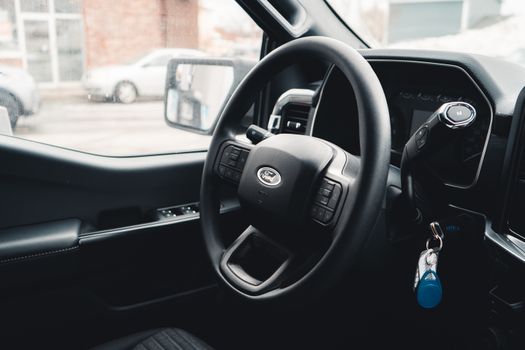
Interior view of a Ford vehicle showing steering wheel, dashboard, and car keys for modern automotive design.Photo: Erik Mclean / Pexels

Car rental for young drivers explained: Your Ultimate Guide

Navigate the complexities of renting a car as a young driver in the US with this comprehensive, money-saving guide.

Start Your Journey

Key Takeaways

  • ✓ Most rental companies in the US have a minimum age of 21, with some allowing 18-20 year olds for an additional fee.
  • ✓ A 'young driver surcharge' (underage fee) is almost always applied to renters under 25, varying by company and location.
  • ✓ Insurance requirements are crucial; personal car insurance, credit card benefits, or rental company options are available.
  • ✓ Booking in advance, comparing companies, and looking for discounts can significantly reduce costs for young renters.

How It Works

1
Understand Age Requirements

Confirm the minimum age for your desired rental company and location. Be aware that some states or specific car classes may have higher age limits.

2
Budget for Surcharges

Factor in the daily young driver surcharge, which can add significant costs. This fee is non-negotiable for most renters under 25.

3
Arrange Insurance Coverage

Determine your insurance needs. Check if your personal auto policy or credit card offers coverage, or consider purchasing options from the rental agency.

4
Book and Prepare Documents

Book your car, compare prices, and ensure you have a valid driver's license and credit card in your name ready for pickup. Debit cards often have stricter rules.

Navigating Minimum Age Requirements for Young Renters

A teenager practices driving, seen concentrating in a car's rearview mirror.Photo: Ron Lach / Pexels
Renting a car in the United States as a young driver often comes with a unique set of challenges, primarily revolving around age restrictions and associated fees. While the legal driving age across the US is generally 16, the minimum age to rent a car is typically higher. Most major car rental agencies, including giants like Enterprise, Hertz, Avis, and Budget, set their standard minimum rental age at 21 years old. This isn't an arbitrary decision but stems from actuarial data indicating that drivers under 25 are statistically more prone to accidents, posing a higher risk to insurance providers and rental companies. Understanding these baseline requirements is the first crucial step for any young individual looking to secure a rental vehicle. However, it's not a blanket rule. Some companies, in specific locations or under certain circumstances, do permit drivers between the ages of 18 and 20 to rent a vehicle. This flexibility is often seen in states like New York and Michigan, where state laws mandate that rental companies cannot refuse service to drivers over 18 simply due to age. Even in these states, and certainly when renting through companies that voluntarily lower their age limit, there are almost always caveats. The most significant of these is the 'young driver surcharge' or 'underage fee,' which we'll delve into further. This fee is designed to offset the increased insurance risk associated with younger drivers and can significantly impact the total cost of the rental. It's imperative for young drivers to research the specific policies of each rental company and even the particular branch they plan to rent from, as policies can vary. For instance, a local franchise might have different rules or charge different fees than a corporate location. Beyond the age, other factors come into play. A valid driver's license, held for at least one year without major endorsements, is universally required. International young drivers will need an International Driving Permit (IDP) alongside their home country's license. Payment methods are another consideration; while credit cards are almost always accepted, using a debit card as a young driver can be much more restrictive, often requiring additional documentation like proof of address or employment, or even a credit check. Some companies may not allow debit card rentals for young drivers at all. The type of vehicle available to young drivers can also be limited. Luxury cars, large SUVs, or specialty vehicles are often reserved for renters aged 25 or older, regardless of their financial capability. This limitation is again tied to insurance risk and the perceived responsibility associated with driving higher-value or more powerful vehicles. Navigating these initial hurdles requires diligence and careful planning. For a deeper dive into general rental car best practices, you might find this guide on rental car tips helpful, as many principles apply universally regardless of age. Always verify all requirements directly with the rental agency before making a reservation to avoid any unpleasant surprises at the counter.

Deciphering the Young Driver Surcharge and Hidden Costs

Interior view of an electric car showing advanced touchscreen and steering wheel at night.Photo: Vladimir Srajber / Pexels
The young driver surcharge, often referred to as an underage fee, is perhaps the most significant financial hurdle for renters under the age of 25. This daily fee is levied by nearly all car rental companies to compensate for the higher insurance risk associated with younger drivers. The cost of this surcharge can vary wildly, typically ranging from $25 to $75 per day, depending on the rental company, the location, and sometimes even the type of vehicle. For a week-long rental, this can easily add hundreds of dollars to the total cost, often overshadowing the base rental rate itself. It's crucial for young drivers to factor this into their budget from the outset, as it's rarely waived unless specific conditions are met. Several strategies can help mitigate or even eliminate this surcharge. One of the most effective is through AAA (American Automobile Association) membership. Many rental companies, including Hertz and Dollar, offer AAA members a waiver of the young driver fee, or at least a significant discount, for drivers aged 20-24. Similarly, being a member of certain corporate or university programs might also come with benefits that waive or reduce this fee. It's always worth checking if your employer or educational institution has a partnership with a car rental agency that includes such perks. Government employees or military personnel also frequently qualify for age waivers when renting for official business, and sometimes even for personal travel. Beyond the daily surcharge, young drivers must be acutely aware of other potential hidden costs. Fuel policies, for instance, can add unexpected expenses. Opting for the 'prepay fuel' option might seem convenient but often means paying a premium for gas, especially if you don't return the tank empty. The 'return full' policy is generally the most cost-effective. Optional add-ons like GPS units, satellite radio, or toll passes can quickly inflate the bill. While some might be useful, many smartphones offer free navigation, and many modern vehicles come equipped with basic tech. Resist the pressure to accept every add-on unless absolutely necessary. Another critical area is insurance. While we'll discuss this in more detail later, declining necessary coverage at the counter without understanding your existing policies can be a costly mistake. Conversely, purchasing redundant coverage can also be a waste of money. Always assess your personal auto insurance and credit card benefits before arriving at the rental counter. Finally, watch out for mileage limits, especially on cheaper rentals or for specific vehicle types. While less common in the US for standard rentals, some agreements might cap the free miles, charging extra for every mile beyond the limit. Returning the car late can also incur additional hourly or even full-day charges. Diligent research and careful review of the rental agreement are key to avoiding these financial pitfalls and ensuring a smooth, cost-effective experience. Being informed about these potential expenses can empower young drivers to make smarter choices and avoid unexpected financial burdens.

For more options, check out Weed Dank.

Understanding Insurance and Protection Options for Young Drivers

Luxury cars lined up at an outdoor dealership, showcasing sleek designs.Photo: Pixabay / Pexels
Insurance is arguably the most critical aspect of car rental for young drivers, given their higher risk profile. Navigating the myriad of protection options can be daunting, but understanding what's available and what you might already have is essential to avoid both overspending and under-insuring. Rental car companies typically offer several types of coverage at the counter, which can significantly increase your daily rate. These usually include a Loss Damage Waiver (LDW) or Collision Damage Waiver (CDW), Supplemental Liability Insurance (SLI), Personal Accident Insurance (PAI), and Personal Effects Coverage (PEC). An LDW/CDW covers damage to the rental car itself, waiving your responsibility for the cost of repairs or the vehicle's value if it's stolen. This is often the most expensive add-on. SLI provides additional liability coverage beyond the state-mandated minimums, protecting you if you cause damage to other vehicles or property, or injure others. PAI covers medical costs for you and your passengers in an accident, while PEC covers personal belongings stolen from or damaged in the rental car. For young drivers, especially, the stakes are higher, and understanding these options is paramount. For example, a thorough explanation of how rental car insurance works can provide valuable context. Before you even approach the rental counter, the first step is to check your existing insurance policies. Your personal auto insurance policy might extend coverage to rental cars. Many comprehensive and collision policies will cover damage to the rental vehicle, and your liability coverage would apply if you cause an accident. However, there are often nuances: deductibles still apply, and your policy might not cover 'loss of use' fees charged by rental companies (the income they lose while the car is being repaired). Some personal policies also have restrictions on rental length or apply only to rentals within your home country. It's crucial to call your insurance provider and clarify what is and isn't covered for rental vehicles. Next, investigate your credit card benefits. Many premium credit cards offer secondary (and sometimes primary) rental car insurance, typically a CDW/LDW. This means they'll cover damage to the rental vehicle after your personal auto insurance (if secondary) or before (if primary). To activate this benefit, you usually need to decline the rental company's CDW/LDW and pay for the entire rental with that specific credit card. Again, there are limitations: some cards exclude certain vehicle types (e.g., luxury cars, trucks), exotic locations, or long-term rentals. They also rarely cover liability, personal injury, or personal effects. Always read your credit card's guide to benefits or call their customer service to understand the specifics of their rental car insurance. Relying solely on credit card coverage without understanding its limitations can leave you exposed. For young drivers, who might have less experience with insurance claims, this step is even more critical. Taking the time to understand your coverage options can save you from significant financial distress in the event of an accident or theft.

Smart Strategies and Tips for Saving Money as a Young Renter

Keys with a house model, Euro bills, and charts suggesting real estate and financial themes.Photo: Jakub Zerdzicki / Pexels
Renting a car as a young driver doesn't have to break the bank. With strategic planning and a bit of savvy, you can significantly reduce the overall cost. The first and most impactful strategy is to book well in advance. Like airline tickets, rental car prices tend to increase closer to the pick-up date, especially during peak seasons or holidays. Early booking not only secures a better rate but also ensures vehicle availability, which can be limited for young drivers. Utilize online comparison tools and aggregators (like Kayak, Expedia, Priceline) to shop around, but always cross-reference prices directly on the rental companies' websites, as they sometimes offer exclusive deals. Beyond early booking, actively seek out discounts and promotions. As mentioned, AAA membership is a goldmine for young drivers, often waiving the underage fee. Student discounts are also available through various programs or university affiliations. Check if your employer has corporate codes that can be used for personal travel, as these often come with age waivers and reduced rates. Loyalty programs from rental companies can also accrue points or offer status benefits that include discounts or even free upgrades. While these benefits might seem minor initially, they can add up, especially for frequent renters. Consider alternative rental options. Car-sharing services like Zipcar or Turo (a peer-to-peer car rental marketplace) can sometimes offer more flexible age policies or lower overall costs, though they come with their own set of rules and insurance implications. Zipcar, for instance, often allows drivers as young as 18 to rent, provided they meet specific criteria, and their rates include insurance. Turo's policies vary by vehicle owner, but some allow renters under 25, albeit often with higher daily rates or specific insurance requirements. Always compare the total cost, including insurance, when looking at these alternatives. When picking up the car, inspect it thoroughly for any existing damage, no matter how minor. Document everything with photos or videos before you drive off, and ensure it's noted on the rental agreement. This protects you from being charged for pre-existing damage upon return. Also, adhere strictly to the fuel policy to avoid inflated refueling charges. If you're required to return the car full, do so at a gas station near the drop-off location, keeping the receipt as proof. Finally, consider the car class. While it might be tempting to rent a larger or more luxurious vehicle, opting for the smallest, most economical car that meets your needs will almost always result in lower base rates and better fuel efficiency, further cutting down your expenses as a young driver. These proactive steps can transform a potentially expensive rental into an affordable and convenient experience. ### Practical Checklist for Young Renters: * **Valid Driver's License:** Must be in your name and currently valid. * **Credit Card:** In your name, with sufficient credit limit for hold. * **Proof of Insurance:** Personal policy details or credit card benefits. * **Membership Cards:** AAA, corporate, or university IDs for discounts. * **Rental Confirmation:** Digital or printout for reference. * **Inspection Checklist:** For pre-existing damage upon pickup. * **Gas Station Receipt:** If returning full and required.

Comparison

FeatureTraditional Rental (Under 25)Car-Sharing (e.g., Zipcar)Peer-to-Peer (e.g., Turo)
Minimum Age21-24 (with surcharge)18-21 (with caveats)18-25 (varies by host)
Young Driver Surcharge$25-$75/day (common)Included/none (membership fee)Varies by host/tier
Vehicle SelectionLimited for under 25sSmaller, urban-focused fleetWide range (owner's choice)
Insurance InclusionSeparate purchase often neededIncluded (basic liability/CDW)Included (basic liability/CDW)
Payment MethodCredit card preferredCredit card (membership)Credit card
FlexibilityDaily/weekly rentalsHourly/dailyDaily (often longer terms)
Ease of AccessRental counter pickupApp-based unlockKey exchange/remote unlock

What Our Readers Say

5 ★★★★★

"This guide was a lifesaver! I was so confused about renting a car at 22, but the explanation of the young driver surcharge and insurance options made everything clear. I used their tips to get a AAA discount and saved over $150 on my week-long trip."

5 ★★★★★

"As a 20-year-old, I thought renting was impossible. This article broke down the specific state laws and company policies, which helped me find a rental in Michigan without too much hassle. The insurance section was particularly helpful for understanding my credit card benefits."

5 ★★★★★

"I followed the advice on booking early and checking for corporate discounts, and it worked wonders. I managed to rent a car for my business trip at 23 with no underage fee thanks to my company's affiliation. This guide truly delivers on its promise."

4 ★★★★☆

"Very comprehensive! I appreciated the deep dive into insurance options and the comparison with Turo. While I still paid a small surcharge, the guide helped me minimize other costs and confidently choose the right coverage."

5 ★★★★★

"The details on what to look for at pickup, like inspecting for damage, were invaluable. I caught a scratch that wasn't noted and saved myself a potential headache. This guide is a must-read for any young driver."

Frequently Asked Questions

What is the youngest age I can rent a car in the US?
The minimum age to rent a car in most of the US is 21 years old. However, in states like New York and Michigan, it's possible to rent at 18, though you will almost certainly incur a daily young driver surcharge. Some companies may also voluntarily allow 18-20 year olds in certain locations, but this is less common and still comes with fees.
Why do rental companies charge a 'young driver surcharge'?
Rental companies charge a young driver surcharge, or underage fee, because statistical data indicates that drivers under 25 are involved in more accidents than older drivers. This fee helps offset the increased insurance risk and associated costs that rental companies face when renting to younger individuals.
How can I avoid or reduce the young driver surcharge?
You can sometimes avoid or reduce the young driver surcharge by being a AAA member, which often offers waivers or discounts with certain rental companies. Corporate or university programs, as well as government or military affiliations, can also provide waivers. Always check for specific partnership benefits before booking.
Is rental car insurance for young drivers more expensive?
While the base insurance options from rental companies are the same price for all ages, young drivers often face additional pressure to purchase these, especially if they lack comprehensive personal auto insurance or credit card coverage. The young driver surcharge itself is not insurance, but a fee for the increased risk.
Are car-sharing services like Turo or Zipcar better for young drivers?
Car-sharing services can sometimes offer more flexibility for young drivers, with lower minimum age requirements (e.g., Zipcar at 18, Turo varies by host). They often include basic insurance in their rates, potentially making them a more cost-effective option than traditional rentals with daily surcharges. However, terms and conditions, as well as vehicle availability, can vary significantly.
Who should read this guide on car rental for young drivers?
This guide is essential for any driver under the age of 25 in the US who is considering renting a car. It's particularly useful for those aged 18-24 who need to understand specific age restrictions, mandatory fees, and how to navigate insurance options to make an informed and budget-friendly rental decision.
What documents do I need to rent a car as a young driver?
You will need a valid driver's license in your name, a major credit card in your name for payment and the security deposit, and potentially proof of insurance (personal auto policy or credit card benefits). Some companies may also require additional identification or proof of address if you are using a debit card.
What are the future trends for young driver car rental?
The trend points towards increasing flexibility from car-sharing platforms and potentially more tailored insurance products for young drivers utilizing telematics (tracking driving behavior). Traditional rental companies may also slowly adapt their policies to compete, possibly offering more tiered pricing or subscription models that could benefit younger demographics, though the young driver surcharge is likely to remain in some form.

Don't let age be a barrier to your travel plans. With the insights from this comprehensive guide, you're now equipped to confidently navigate the world of car rental for young drivers. Start planning your journey today and hit the road with peace of mind.

Topics: car rental for young driversunder 25 car rentalyoung driver surchargerental car insurance young driversrenting a car under 21
Leo List
Brampton weed
Adultwork