✓ Smartwatches offer convenience for regular tracking, but do not replace professional medical advice or devices.
How It Works
1
Sensor Technology
Smartwatches typically use optical sensors (photoplethysmography or PPG) or micro-cuffs to detect changes in blood flow. These sensors analyze light absorption variations caused by pulsating blood vessels.
2
Data Interpretation
Proprietary algorithms process the raw sensor data, correlating blood flow patterns with systolic and diastolic pressures. Some advanced models integrate ECG data for more comprehensive cardiovascular insights.
3
Calibration & Accuracy
Many blood pressure smartwatches require initial and periodic calibration against a traditional arm-cuff blood pressure monitor. This ensures the device's readings are aligned with medically recognized standards, enhancing personal accuracy.
4
Data Sync & Analysis
Readings are typically synchronized with a companion smartphone app via Bluetooth, allowing for historical data tracking, trend analysis, and sharing with healthcare providers. This continuous monitoring provides a richer picture of your cardiovascular health.
Understanding the Technology Behind Blood Pressure Smartwatches
Photo: Torsten Dettlaff / Pexels
The convergence of wearable technology and health monitoring has revolutionized how we approach personal well-being. When you seek to buy smartwatches with blood pressure monitor capabilities, you're investing in a device that brings a critical health metric right to your wrist. But what exactly powers this innovation, and how reliable is it? At its core, blood pressure monitoring in smartwatches typically relies on one of two primary technologies: optical sensors (Photoplethysmography, or PPG) and, less commonly, miniaturized inflatable cuffs. PPG sensors work by emitting light onto the skin and measuring the changes in light absorption and reflection caused by blood flow. As your heart beats, blood volume in your capillaries changes, and these changes are detected by the sensor. Sophisticated algorithms then interpret these pulsatile signals to estimate systolic and diastolic blood pressure. This method is indirect and relies heavily on complex mathematical models and individual calibration. Some pioneering smartwatches are starting to incorporate a micro-cuff mechanism, similar to traditional sphygmomanometers, which offers a more direct and potentially more accurate measurement. However, these are often bulkier and less common in the mainstream market.
Accuracy is paramount when dealing with health data, especially blood pressure, which is a key indicator of cardiovascular health. It's crucial to understand that not all smartwatches are created equal, and regulatory clearances, such as FDA approval in the US, signify a higher standard of accuracy and reliability for medical devices. When you buy smartwatches with blood pressure monitor functionality, always check for such certifications. Devices without them might offer 'wellness' or 'indicative' readings rather than clinical-grade measurements. Furthermore, most wrist-based blood pressure monitors require regular calibration against a validated, traditional arm-cuff blood pressure monitor. This calibration process helps personalize the smartwatch's algorithm to your unique physiology, improving the consistency and accuracy of its readings over time. Factors like wrist size, movement, and proper wearing technique can also influence the results, so adhering to manufacturer guidelines is essential for obtaining meaningful data. Understanding these technological nuances ensures you make an informed decision and manage expectations regarding the performance of your chosen device. For more comprehensive insights into wearable health tech, explore our guide on the future of health trackers. This foundational knowledge will empower you to leverage your smartwatch effectively for proactive health management.
Navigating Features and FDA Clearance When You Buy Smartwatches with Blood Pressure Monitor
Photo: Ketut Subiyanto / Pexels
When you decide to buy smartwatches with blood pressure monitor capabilities, the sheer number of options and features can be overwhelming. Beyond the core blood pressure function, modern smartwatches offer a plethora of health and fitness tracking tools that can significantly enhance your overall wellness journey. Key features to look for include continuous heart rate monitoring, ECG (electrocardiogram) for detecting irregular heart rhythms (like AFib), blood oxygen saturation (SpO2) measurement, sleep tracking, stress monitoring, and activity tracking. Each of these features contributes to a holistic view of your health, allowing you to identify patterns, understand your body's responses to different activities, and make informed lifestyle adjustments. For instance, combining blood pressure data with sleep quality metrics can reveal how sleep deprivation impacts your cardiovascular health, while activity tracking can help you assess the effectiveness of your exercise routine in managing hypertension.
However, the most critical factor to consider, especially for blood pressure monitoring, is regulatory clearance. In the United States, the Food and Drug Administration (FDA) plays a vital role in ensuring the safety and effectiveness of medical devices. An FDA-cleared smartwatch with a blood pressure monitor means the device has undergone rigorous testing and demonstrated accuracy comparable to traditional medical devices, at least for its stated purpose. This distinction is crucial: many smartwatches offer 'wellness' features that provide estimations or trends, but without FDA clearance, they cannot be marketed or used for medical diagnosis or treatment. When researching to buy smartwatches with blood pressure monitor functionality, actively seek out models that explicitly state they have FDA clearance for this specific feature. This provides a layer of assurance regarding the reliability of the readings, making the data more trustworthy for both personal monitoring and discussions with your healthcare provider. Without this clearance, the data should be viewed purely as supplementary information and not a substitute for professional medical advice or clinically validated devices. Always prioritize devices with verifiable regulatory approvals to ensure you're getting a genuinely useful and accurate health tool. This due diligence ensures your investment contributes meaningfully to your health management, rather than providing potentially misleading data.
Maximizing Accuracy and Utility: Best Practices for Your BP Smartwatch
Photo: MART PRODUCTION / Pexels
To truly leverage the benefits when you buy smartwatches with blood pressure monitor functionality, understanding and implementing best practices for use is paramount. Accuracy, while a function of the device's technology and regulatory status, is also significantly influenced by how you use it. Firstly, proper fit is crucial. The smartwatch should sit snugly on your wrist, typically one finger-width above your wrist bone, but not uncomfortably tight. Too loose, and the sensors won't get a clear reading; too tight, and it can impede blood flow, skewing results. Always follow the manufacturer's specific guidelines for placement. Secondly, consistent calibration is key for many models. This involves periodically comparing your smartwatch readings with those from a validated, traditional arm-cuff blood pressure monitor, and then adjusting the smartwatch's settings or algorithm as instructed. Some watches will prompt you for this, while others might require manual intervention. Neglecting calibration can lead to drifting accuracy over time.
Beyond technical usage, context matters. Blood pressure fluctuates throughout the day due to various factors like stress, physical activity, caffeine intake, and even temperature. For consistent and meaningful data, try to take readings at the same time each day, under similar conditions – for example, after waking up but before coffee, or in the evening before bed. Sit still, relax, and avoid talking during the measurement. Keeping a log, either within the smartwatch app or a separate journal, can help you identify trends and triggers. Remember, your smartwatch is a monitoring tool, not a diagnostic one. While it provides valuable data for personal awareness and discussions with your doctor, it should not replace regular check-ups or professional medical advice. If your smartwatch consistently shows unusual or concerning readings, consult a healthcare professional immediately. Integrating your smartwatch data with your doctor can provide a more comprehensive picture of your health, allowing for more personalized and effective management of your blood pressure. For more insights into optimizing your tech for health, read our guide on integrating smart home devices for wellness. By adhering to these practices, you transform your smartwatch from a mere gadget into a powerful ally in your health journey, providing actionable insights that contribute to a healthier lifestyle.
Common Pitfalls and Smart Choices When You Buy Smartwatches with Blood Pressure Monitor
Photo: Pixabay / Pexels
When looking to buy smartwatches with blood pressure monitor features, it's easy to fall into common traps that can lead to disappointment or, worse, misinformed health decisions. Being aware of these pitfalls can save you time, money, and ensure you get a device that genuinely meets your needs. One major pitfall is mistaking 'heart rate variability' or 'pulse wave velocity' measurements for actual blood pressure readings. While these metrics can be related to cardiovascular health, they are not direct blood pressure measurements and should not be interpreted as such. Always verify that the device explicitly states 'blood pressure monitor' and, ideally, boasts FDA clearance for this function.
Another common mistake is neglecting the companion app. The smartwatch itself is only half the equation; the smartphone app is where your data is stored, analyzed, and often presented in an understandable format. A poorly designed app with confusing interfaces or limited data insights can significantly diminish the utility of even the most advanced smartwatch. Look for apps that offer clear trend graphs, easy data export options, and potentially integration with other health platforms. Battery life is also a practical consideration; a smartwatch that needs daily charging might be less convenient for continuous monitoring, especially for sleep tracking. Finally, don't overlook comfort and style. You'll be wearing this device daily, so ensure it fits well and suits your aesthetic preferences.
Here are some smart choices to make:
* **Prioritize FDA-Cleared Models:** This is non-negotiable for medical-grade accuracy.
* **Read User Reviews:** Look for consistent feedback on accuracy, battery life, and app usability.
* **Check Compatibility:** Ensure the smartwatch works seamlessly with your smartphone's operating system.
* **Consider Your Lifestyle:** If you're an athlete, look for water resistance and robust build quality. If you're primarily health-focused, prioritize sensor accuracy and data insights.
* **Understand Calibration Needs:** Be prepared to regularly calibrate your device if required, as this is crucial for maintaining accuracy.
* **Don't Over-rely on the Device:** A smartwatch is a tool, not a doctor. Use its data to inform discussions with your healthcare provider, not as a replacement for professional medical advice.
By being diligent in your research and understanding these nuances, you can confidently buy smartwatches with blood pressure monitor capabilities that truly empower your health journey. Avoid the temptation to go for the cheapest option without verifying its legitimacy and features; your health is worth the investment in a reliable and accurate device.
Comparison
Feature
Best Overall (FDA-Cleared)
Strong Contender (Emerging Tech)
Budget-Friendly (Wellness Focus)
Blood Pressure Accuracy
High (FDA-Cleared)
Good (Requires Calibration)
Indicative (Wellness)
ECG Functionality
✓
✓
✗
SpO2 Monitoring
✓
✓
✓
Battery Life (Typical Use)
3-5 Days
2-4 Days
5-7 Days
Companion App Data Insights
Excellent
Very Good
Basic
Price Range
$250-$400
$200-$350
$80-$150
What Readers Say
★★★★★
"I decided to buy smartwatches with blood pressure monitor after my doctor recommended more frequent checks. This watch has been a game-changer! It's so convenient to take a reading anytime, anywhere, and the app tracks everything beautifully for my appointments."
Sarah J. · Austin, TX
★★★★★
"As someone managing hypertension, finding a reliable blood pressure smartwatch was crucial. The calibration process was straightforward, and I feel much more in control of my health now. It's truly a fantastic piece of tech."
Mark T. · Miami, FL
★★★★★
"I bought this smartwatch primarily for the blood pressure monitor, and it has exceeded my expectations. My doctor was impressed with the consistent data I was able to provide, which helped us adjust my medication more effectively. Highly recommend!"
Emily R. · Seattle, WA
★★★★★
"The blood pressure readings seem quite consistent after calibration, though I still double-check with my cuff occasionally. The added features like sleep tracking and ECG are a huge bonus, making it a comprehensive health companion. Just wish the battery life was a bit longer."
David K. · Denver, CO
★★★★★
"My parents, both in their 60s, struggle with remembering to take their blood pressure. I decided to buy smartwatches with blood pressure monitor for them, and they love the simplicity and constant monitoring. It's given our family peace of mind."
Jessica L. · Chicago, IL
Frequently Asked Questions
Are smartwatches with blood pressure monitors as accurate as traditional cuffs?
For smartwatches with FDA clearance for blood pressure monitoring, they are designed to offer clinically validated accuracy comparable to traditional cuffs when used correctly and calibrated as per manufacturer instructions. However, many non-cleared devices provide indicative readings for wellness purposes, which are not for medical diagnosis.
Do I need to calibrate my blood pressure smartwatch?
Most smartwatches that offer blood pressure monitoring require initial and periodic calibration using a traditional arm-cuff blood pressure monitor. This process helps personalize the device's algorithm to your physiology, significantly improving the accuracy and reliability of its readings over time.
How often should I take my blood pressure with a smartwatch?
For consistent data, it's generally recommended to take readings at the same time each day, under similar relaxed conditions. Your doctor might also provide specific instructions based on your health needs. Regular, consistent monitoring helps in identifying trends and patterns in your blood pressure.
How much do smartwatches with blood pressure monitors cost?
The cost can vary significantly, ranging from under $100 for basic wellness trackers to $400+ for advanced, FDA-cleared medical-grade devices. Factors like brand, additional health features (ECG, SpO2), battery life, and design all influence the price.
Can a smartwatch replace my doctor's visits for blood pressure monitoring?
No, a smartwatch cannot replace regular doctor's visits or professional medical advice. While it's an excellent tool for continuous personal monitoring and gathering data, it should be used in conjunction with your healthcare provider's guidance and not as a substitute for clinical diagnosis or treatment.
Who should consider buying a smartwatch with a blood pressure monitor?
Individuals with diagnosed hypertension, those at risk of cardiovascular disease, or anyone interested in proactive health management and understanding their body's vitals more intimately should consider such a device. It's particularly useful for consistent, convenient tracking outside of clinical settings.
Are there any risks associated with using a blood pressure smartwatch?
When used as intended, risks are minimal. The primary 'risk' is misinterpreting data from a non-FDA-cleared device or over-relying on any smartwatch for diagnosis, potentially delaying necessary medical intervention. Always consult a doctor for any health concerns.
What are the future trends for blood pressure monitoring in smartwatches?
Future trends include even more miniaturized and accurate cuff-less technologies, continuous real-time blood pressure monitoring without manual initiation, enhanced AI for predictive health insights, and seamless integration with electronic health records for more holistic patient care.
Ready to take control of your cardiovascular health? Explore our curated selection and confidently buy smartwatches with blood pressure monitor capabilities that align with your health goals and lifestyle. Empower yourself with data and step into a new era of proactive well-being today.

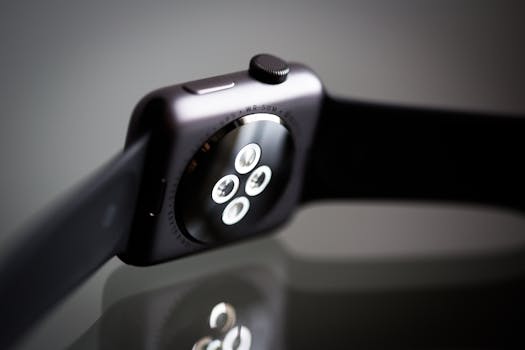 Photo: Torsten Dettlaff / Pexels
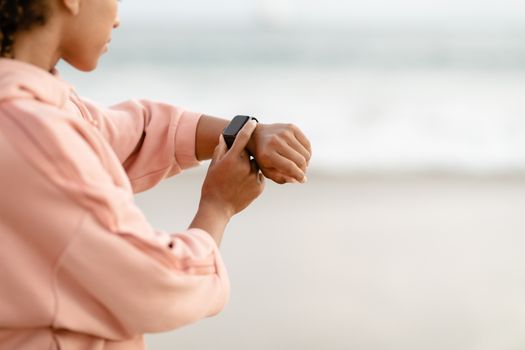 Photo: Ketut Subiyanto / Pexels
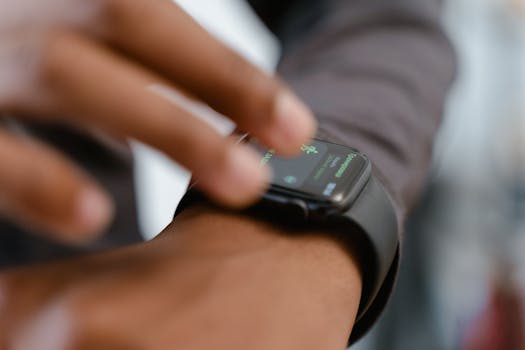 Photo: MART PRODUCTION / Pexels
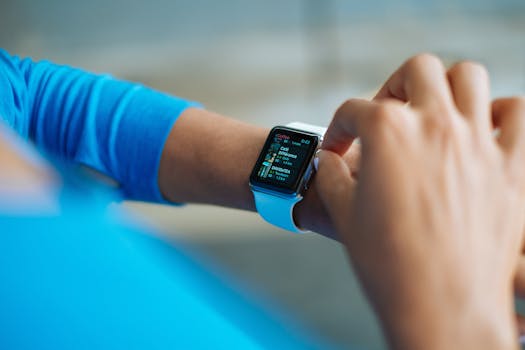 Photo: Pixabay / Pexels