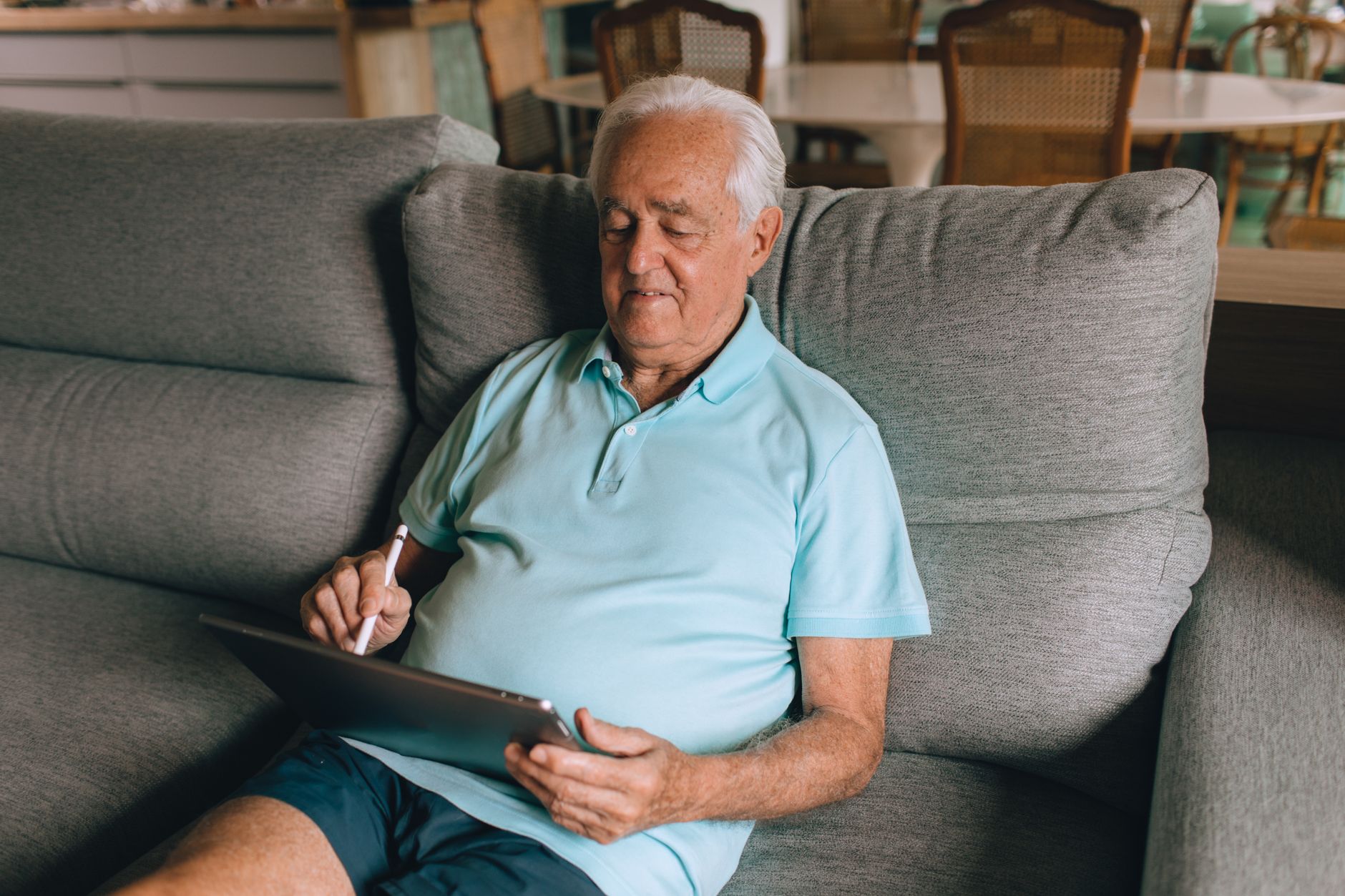
The Best Smart Home Devices for Seniors: Ultimate Guide
best smart home devices for seniors

The Best Smart Home Devices for Seniors: Ultimate Guide

Empower independent living and enhance safety with cutting-edge smart home technology designed for older adults.

Find Your Perfect Device

Key Takeaways

  • ✓ Smart home technology can significantly improve safety and independence for seniors.
  • ✓ Voice-activated assistants are among the most popular and user-friendly devices.
  • ✓ Fall detection and emergency alert systems offer crucial peace of mind for families.
  • ✓ Automated lighting and smart thermostats enhance comfort and reduce energy waste.
  • ✓ Many devices are designed with simplicity and accessibility in mind for older users.

How It Works

1
Identify Needs & Goals

Start by assessing the specific needs of the senior. Are they looking for enhanced safety, convenience, or social connection?

2
Choose Compatible Devices

Select devices that seamlessly integrate with each other and are easy to set up. Look for systems that can be controlled from a central hub or smartphone app.

3
Set Up & Personalize

Install and configure each device according to the user's preferences. This might involve setting routines, linking accounts, or adjusting sensitivity settings.

4
Regular Monitoring & Support

Ensure ongoing support and periodic checks of the system. This guarantees that devices are functioning correctly and that the senior feels confident using them.

Enhancing Safety and Security for Seniors with Smart Tech
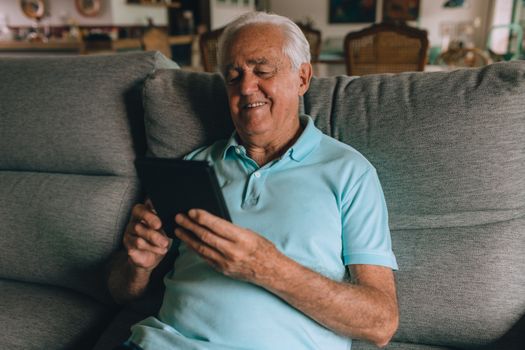
Smiling elderly man using a tablet while sitting comfortably on a sofa, embracing modern technology. Photo: Helena Lopes / Pexels
As our loved ones age, maintaining their safety and security at home becomes a paramount concern for families. Fortunately, the landscape of smart home technology offers an array of innovative solutions specifically designed to address these needs, allowing seniors to live more independently and with greater peace of mind. When we talk about the best smart home devices for seniors, safety and security features often take center stage, and for good reason. These devices can act as an extra layer of vigilance, providing alerts and assistance when needed most. One of the most critical aspects is fall detection and emergency response systems. Traditional medical alert systems have evolved into sophisticated smart devices that can automatically detect a fall and alert pre-selected contacts or emergency services without requiring the senior to press a button. Devices like smart pendants or even radar-based sensors that monitor movement within a room can offer invaluable protection. These systems reduce response times, which can be critical in preventing more severe injuries or complications after a fall. Beyond fall detection, personal emergency response systems (PERS) often integrate with voice assistants, allowing seniors to simply say a command to call for help, even if they can't reach a button. This hands-free operation is a significant advantage, especially in situations where mobility is compromised. Another vital component of senior safety is smart security cameras and doorbells. These devices provide visual monitoring, allowing seniors or their caregivers to see who is at the door before opening it, thus deterring potential intruders or unwanted solicitors. Smart doorbells with two-way audio enable communication with visitors from anywhere in the house, or even remotely via a smartphone app. Indoor cameras, when used respectfully and with consent, can offer family members a way to check in on a senior's well-being without being intrusive. Some cameras even offer activity zone monitoring and motion alerts, notifying caregivers if there's unusual activity or if a senior has not moved for a prolonged period in a certain area. These features are not about surveillance but about ensuring safety and providing reassurance. Furthermore, smart lock systems provide an enhanced layer of security and convenience. Seniors often struggle with keys or may forget to lock doors. Smart locks can be programmed to lock automatically after a set period, or they can be remotely locked/unlocked by authorized family members. This is particularly useful for caregivers needing access or in emergency situations where first responders need to enter. Keypad access eliminates the need for physical keys, reducing the risk of lost keys or fumbling at the door. Paired with smart lighting, which can illuminate pathways upon entry, these devices create a safer and more welcoming home environment. The integration of these various smart security features creates a robust ecosystem that supports independent living, addressing common concerns about safety and accessibility for older adults. For more general tech insights, check out our guide on essential tech gadgets for daily life.

Unlocking Convenience and Comfort with Smart Home Automation
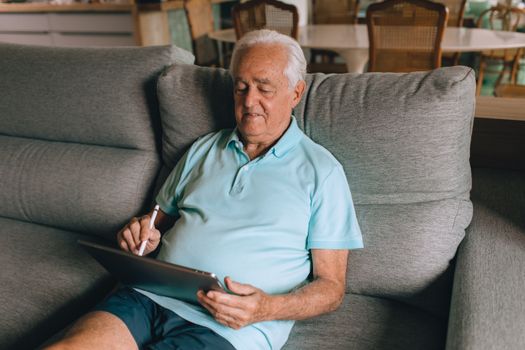
Senior man using a tablet with a stylus while relaxing on a sofa indoors. Photo: Helena Lopes / Pexels
Beyond safety, one of the most compelling reasons for seniors to embrace smart home technology is the unparalleled convenience and comfort it offers. Daily tasks that might become challenging due to mobility issues, memory concerns, or simply the natural slowing down that comes with age can be effortlessly managed or automated with the right smart devices. This not only eases the burden on seniors but also empowers them to maintain a higher degree of independence within their own homes, enhancing their quality of life significantly. Voice-activated assistants, such as Amazon Echo (Alexa) or Google Nest Hub, stand out as foundational elements in creating a convenient smart home for seniors. These devices are incredibly intuitive, allowing users to control lights, thermostats, music, and even make calls or send messages using simple voice commands. This hands-free operation is a game-changer for those with limited dexterity or who find small buttons difficult to manage. A senior can ask Alexa to turn off the lights in the living room from their bed, or ask Google Assistant about the weather without needing to get up or navigate a remote control. These devices can also serve as a central hub for other smart devices, simplifying the entire smart home experience and making it more accessible. Many seniors find the conversational aspect of these assistants comforting and engaging, providing a subtle form of companionship. Smart lighting systems are another fantastic addition for comfort and practicality. No more fumbling for light switches in the dark or navigating dimly lit hallways. Smart bulbs and switches can be controlled via voice, app, or even motion sensors. Lights can be programmed to turn on automatically at dusk or when a senior enters a room, preventing falls. They can also be set to dim gradually as bedtime approaches, promoting better sleep hygiene. Some systems offer color-changing capabilities, which can be used for mood lighting or even as visual cues for medication reminders. The ability to control lighting from anywhere in the house, or even remotely, adds a layer of convenience that significantly improves daily living. Similarly, smart thermostats offer a remarkable level of comfort and energy efficiency. Regulating home temperature can be a struggle, especially for seniors who might be more sensitive to temperature fluctuations. A smart thermostat learns preferences, can be controlled via voice or app, and can even adjust settings based on occupancy. This ensures the home is always at a comfortable temperature, reducing the risk of overheating or being too cold, both of which can pose health risks. The ability to preset schedules or make adjustments from a smartphone means seniors don't have to constantly interact with a potentially complex thermostat interface, making climate control effortless. These devices not only make life more comfortable but also contribute to lower energy bills, a welcome benefit for those on fixed incomes.

Health Monitoring and Communication: Bridging the Gap with Technology
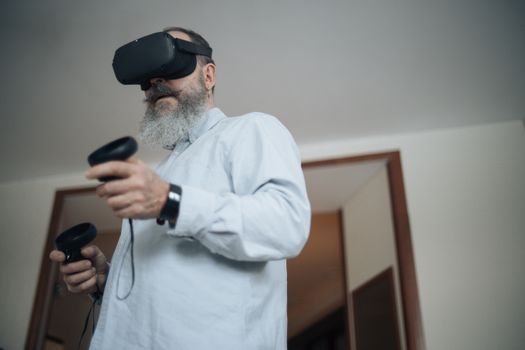
Elderly man wearing VR headset experiencing virtual reality at home. Photo: Mikhail Nilov / Pexels
In today's interconnected world, smart home devices are extending their reach beyond basic safety and convenience to offer robust solutions for health monitoring and enhanced communication for seniors. These technological advancements are crucial for supporting a proactive approach to health management and ensuring that seniors remain connected with their loved ones and care networks, especially when living independently. The integration of health-focused smart devices into the home environment represents a significant step towards enabling 'aging in place' with confidence. Wearable health monitors and smart medical devices are rapidly becoming indispensable tools. These can range from smartwatches that track heart rate, detect irregular heart rhythms, and even detect falls, to smart blood pressure monitors and glucometers that automatically log readings and can share data with caregivers or healthcare providers. The benefit here is twofold: seniors gain a better understanding of their own health metrics, and family members or medical professionals can monitor trends and intervene if necessary. Some advanced wearables even offer features like medication reminders, ensuring that vital medications are taken on time. The data collected by these devices can provide invaluable insights into a senior's well-being, often catching subtle changes that might indicate a developing health issue before it becomes critical. This proactive monitoring can lead to more timely medical attention and better health outcomes. Beyond direct health metrics, smart home devices also facilitate communication, which is vital for combating loneliness and ensuring support. Video doorbells, as mentioned earlier, offer a simple way to communicate with visitors. However, dedicated smart displays like the Google Nest Hub Max or Amazon Echo Show take communication a step further. These devices allow for easy, hands-free video calls with family and friends, bringing faces and voices into the home with minimal effort. For seniors who may struggle with smartphones or tablets, the large screens and voice-activated controls of these smart displays make staying connected more accessible and enjoyable. They can also display family photos, provide news updates, or even stream entertainment, acting as a versatile hub for information and connection. This ease of communication is crucial for mental well-being and helps maintain strong social ties. Furthermore, smart medication dispensers are transforming how seniors manage their prescriptions. These devices can be programmed to dispense the correct dosage at specific times, often with audible and visual reminders. Some even alert caregivers if a dose is missed. This significantly reduces the risk of medication errors, which can have serious health consequences. By automating this critical task, seniors and their families can have greater peace of mind knowing that medication adherence is being managed effectively. The combination of health monitoring, enhanced communication tools, and medication management systems creates a holistic smart home environment that actively supports a senior's health and social engagement, fostering a sense of security and belonging. For more insights into how technology can aid daily life, explore our article on innovative tech solutions for modern living.

Choosing and Implementing Smart Home Technology for Seniors: Tips and Mistakes to Avoid
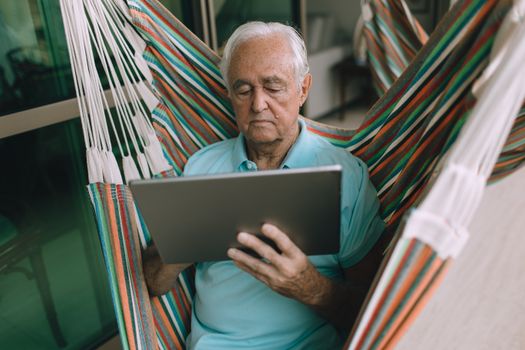
Elderly man comfortably using a tablet in a colorful hammock indoors. Photo: Helena Lopes / Pexels
Selecting and integrating smart home technology for seniors requires a thoughtful approach that prioritizes ease of use, reliability, and specific needs. It's not just about buying the latest gadget, but about creating a supportive and empowering environment. Here are crucial tips for success and common mistakes to avoid. **Tips for Success:** * **Prioritize Simplicity:** Always opt for devices with intuitive interfaces and straightforward controls. Voice-activated devices are often ideal as they remove the need for complex button presses or screen navigation. * **Start Small and Expand:** Don't overwhelm seniors with too many devices at once. Begin with one or two key devices that address immediate needs, like a smart speaker or smart lights, and gradually introduce others as comfort levels increase. * **Focus on Specific Needs:** Identify the most pressing challenges. Is it fall risk? Medication reminders? Loneliness? Choose devices that directly address these concerns first. * **Ensure Reliable Internet:** A stable and robust Wi-Fi connection is the backbone of any smart home. Ensure the senior's home has good coverage throughout, possibly with Wi-Fi extenders. * **Provide Thorough Training and Support:** Don't just install and leave. Spend time patiently explaining how each device works, practice using it together, and offer ongoing technical support. Write down simple instructions if needed. * **Consider Privacy and Security:** Discuss data privacy concerns and ensure devices are set up with strong passwords and appropriate privacy settings. Only share necessary data with trusted caregivers. * **Look for Accessibility Features:** Many devices offer features like larger text options, high contrast modes, or integration with hearing aids. Explore these options to maximize usability. * **Integrate for Seamless Experience:** Where possible, choose devices that work well together under a single platform (e.g., all Alexa-compatible or all Google Home-compatible) to simplify control. **Mistakes to Avoid:** * **Over-Complicating the System:** Introducing too many gadgets with disparate apps and controls can lead to frustration and disuse. * **Ignoring User Input:** Do not impose technology without the senior's involvement. Their preferences and comfort level are paramount. Involve them in the decision-making process. * **Neglecting Ongoing Maintenance:** Smart devices, like any tech, may require occasional updates or troubleshooting. Ensure someone is available to help with these tasks. * **Assuming Tech-Savviness:** Never assume a senior is comfortable with new technology. Patience and clear, simple explanations are key. * **Lack of Redundancy for Critical Systems:** For essential safety devices, consider backup power options or alternative alert methods in case of internet or power outages. * **Forgetting to Test Regularly:** Emergency call buttons, fall detection, and other critical alerts should be tested periodically to ensure they are functioning correctly. * **Underestimating the Learning Curve:** It takes time to get used to new technology. Be prepared for a period of adjustment and provide encouragement. By following these guidelines, families can successfully implement smart home technology that truly benefits seniors, fostering independence and providing peace of mind for everyone involved.

Comparison

FeatureBest Overall (Voice Assistant)Best for Fall DetectionBest for Security
Device ExampleAmazon Echo Show 8CarePredict Tempo SeriesArlo Essential Video Doorbell Wire-Free
Primary FunctionVoice control, video calls, smart home hubActivity monitoring, fall detection, emergency alertsVideo surveillance, two-way audio, motion detection
Ease of UseVery High (voice-controlled)High (passive monitoring, wearable)Medium (app-controlled, some setup)Medium (app-controlled, some setup)
Key Benefit for SeniorsHands-free control, communication, entertainmentProactive health monitoring, rapid emergency responseSee and speak to visitors, package alerts
Integration PotentialExcellent (with many smart devices)Good (with caregiver apps)Good (with smart locks, cameras)
Approx. Price$100 - $150$200+ (plus subscription)$150 - $200
Subscription RequiredNo (optional for some services)Yes (for full features)Optional (for cloud storage/advanced features)

What Readers Say

"The Amazon Echo Show has been a game-changer for my mother. She can video call her grandchildren with just her voice and loves asking Alexa for recipes. It truly simplifies her daily routine and keeps her connected, which is invaluable for seniors."

Eleanor V. · Phoenix, AZ

"We installed smart lights and a Google Nest Hub for my father, and the difference is incredible. He no longer worries about leaving lights on or fumbling in the dark. These smart home devices for seniors have made his home much safer and more convenient."

Robert L. · Orlando, FL

"The fall detection pendant we got for Grandma has already given us peace of mind. She had a minor slip, and the system immediately alerted us and emergency services, resulting in quick assistance. It's a critical investment for senior safety."

Sarah K. · Denver, CO

"While setting up the smart thermostat took a little effort, the benefits for my aunt have been huge. She can now comfortably adjust the temperature from her armchair, and her energy bills are noticeably lower. It's a good step towards making her home smarter."

David M. · Seattle, WA

"As a caregiver, having smart locks and a video doorbell at my client's home is fantastic. I can grant access remotely if I'm running late, and we can screen visitors without putting her at risk. These smart home devices for seniors significantly enhance both security and convenience."

Maria P. · Boston, MA

Frequently Asked Questions

What are the most essential best smart home devices for seniors?

The most essential smart home devices for seniors typically include voice-activated assistants (like Amazon Echo or Google Nest), smart lighting, and personal emergency response systems (PERS) with fall detection. These devices offer a combination of convenience, enhanced safety, and crucial communication capabilities, addressing core needs for independent living.

Are smart home devices for seniors difficult to set up and use?

Many smart home devices designed for seniors prioritize ease of use. While initial setup may require some technical assistance, daily operation is often simplified through voice commands or intuitive apps. Starting with one or two devices and gradually expanding can help seniors adapt comfortably.

How can smart home technology help with medication management for seniors?

Smart home technology can significantly assist with medication management through smart pill dispensers that provide timely reminders and dispense correct dosages. Voice assistants can also be programmed to give verbal medication reminders, and some health trackers can log medication intake, helping seniors stay on schedule and reducing errors.

What is the typical cost of setting up a smart home for an elderly person?

The cost of setting up a smart home for an elderly person can vary widely, from a few hundred dollars for basic devices like a smart speaker and a few smart bulbs, to several thousand dollars for a comprehensive system including security cameras, smart locks, fall detection, and health monitors. Many solutions offer flexible, scalable options to fit different budgets and needs.

How do smart home devices compare to traditional medical alert systems?

Smart home devices often offer more integrated and proactive solutions than traditional medical alert systems. While both provide emergency alerts, smart home tech can include features like passive fall detection, activity monitoring, smart lighting for fall prevention, and two-way communication, creating a more holistic safety and convenience ecosystem beyond just a button press.

Who should consider investing in the best smart home devices for seniors?

Anyone looking to enhance the safety, independence, and overall quality of life for an aging loved one should consider investing in smart home devices. This includes adult children caring for elderly parents, seniors themselves who wish to maintain independence, and individuals with chronic health conditions who could benefit from remote monitoring and assistance.

Are there privacy concerns with using smart home devices for seniors?

Yes, privacy is a valid concern. It's important to choose reputable brands, understand their data privacy policies, and configure settings carefully. Discussing the use of devices like indoor cameras with the senior is crucial to ensure their comfort and consent. Use strong, unique passwords and enable two-factor authentication where available to protect personal data.

What are future trends in smart home technology for aging in place?

Future trends in smart home technology for aging in place include more advanced AI-driven predictive analytics for health monitoring, personalized ambient assisted living (AAL) systems that adapt to individual routines, enhanced robotics for companionship and physical assistance, and even greater integration with telehealth services for seamless remote medical care.

Embrace the future of independent living with the best smart home devices for seniors. Explore these innovative solutions today to create a safer, more comfortable, and connected home for your loved ones, providing peace of mind for the entire family.

Topics: best smart home devices for seniorssenior smart home technologyelderly tech solutionsaging in place technologysmart home safety for seniors
Leo List

DK Escorts LU Escorts AT Escorts SE Escorts FI Escorts CH Escorts DE Escorts HR Escorts IE Escorts GR Escorts CZ Escorts NO Escorts BE Escorts FR Escorts SI Escorts IL Escorts NL Escorts PL Escorts HU Escorts ES Escorts IT Escorts PT Escorts SK Escorts RO Escorts ZA Escorts UY Escorts US Escorts UK Escorts NZ Escorts AU Escorts
Brampton weed
Adultwork EstrelaBet Vai de Bet R7 Bet Betão Galera Bet Rainbet Bet9ja Shop SportyBet BetKing Sisal Loto Foot Hollywoodbets YesPlay Odibets RushBet Jugabet BetWarrior BetCity MSport betPawa Fortebet