✓ Active Noise Cancellation (ANC) significantly reduces ambient sound, crucial for travel.
✓ Battery life is a primary concern; look for 20+ hours for long-haul journeys.
✓ Comfort and portability are essential for extended wear and easy packing.
✓ Sound quality and call clarity vary, impacting overall user satisfaction.
How It Works
1
ANC Technology Explained
Active Noise Cancellation uses microphones to detect ambient noise and then generates an 'anti-noise' sound wave to cancel it out. This electronic process works best on consistent, low-frequency sounds like engine hum.
2
Choosing Your Style
Over-ear headphones offer superior noise isolation and comfort for long periods, while in-ear options are more portable. Consider your preferred fit and how long you'll wear them.
3
Prioritizing Features
Beyond ANC, look for features like long battery life, quick charging, transparency modes, multi-device connectivity, and durable, foldable designs. These add convenience and enhance the travel experience.
4
Testing Before You Buy
If possible, try on different models to assess comfort, fit, and the effectiveness of their ANC. Read reviews specific to travel scenarios to gauge real-world performance.
Why Active Noise Cancellation is a Traveler's Best Friend
Photo: Jatin Jangid / Pexels
For anyone who frequently travels, whether by air, train, or even just navigating a bustling city, the constant drone of engines, chatter of fellow passengers, and general urban cacophony can turn a potentially relaxing journey into a stressful ordeal. This is precisely where active noise cancelling headphones shine, transforming noisy environments into personal oases of calm. Unlike passive noise isolation, which relies solely on physical barriers to block sound, Active Noise Cancellation (ANC) employs sophisticated technology. Tiny microphones embedded in the headphones pick up ambient noise, and an internal processor then generates an inverted sound wave that effectively cancels out the incoming noise. This technological marvel is particularly effective against low-frequency, continuous sounds – the exact kind you encounter on planes, trains, and buses. Imagine stepping onto a transatlantic flight, the roar of the jet engines a familiar companion. With a flick of a switch, that roar diminishes to a distant hum, allowing you to immerse yourself in a movie, focus on work, or simply enjoy a moment of peaceful contemplation.
The benefits extend beyond mere quiet. Reduced noise exposure can lead to less fatigue, especially on long journeys. The constant effort of your brain to filter out unwanted sounds is surprisingly taxing, and ANC alleviates this burden. This means arriving at your destination feeling more refreshed and less stressed. Furthermore, with external noise significantly reduced, you can enjoy your audio content – music, podcasts, audiobooks, or movies – at lower volumes. This not only protects your hearing but also allows for a richer, more detailed listening experience, as subtle nuances aren't drowned out by the environment. Many modern ANC headphones also incorporate 'transparency' or 'ambient sound' modes, which allow you to temporarily let in external sounds when needed, such as for announcements or conversations, without removing your headphones entirely. This blend of isolation and awareness makes them incredibly versatile for various travel scenarios, from airport security checks to ordering a coffee. Understanding the fundamental mechanics of ANC reveals why these devices are not just a luxury, but an essential tool for the modern traveler seeking comfort and tranquility on the go. Investing in a quality pair can genuinely elevate your entire travel experience, making those long hours more productive or simply more enjoyable. Explore the latest audio tech to see how far these devices have come.
Key Features to Prioritize for Optimal Travel Performance
Photo: Eren Li / Pexels
When selecting the best noise cancelling headphones for travel, not all features are created equal. Certain specifications become paramount when you're thousands of feet in the air or navigating unfamiliar territories. Firstly, battery life is non-negotiable. A pair of headphones that dies halfway through a long-haul flight is worse than useless. Aim for models offering at least 20-30 hours of battery life with ANC activated. Many premium models now boast even longer durations, sometimes extending to 40 hours or more, providing ample power for multiple flights or extended trips without needing a recharge. Quick charging capabilities are also a huge plus; a 10-15 minute charge yielding several hours of playback can be a lifesaver during a layover.
Secondly, comfort and design are critical. You'll likely be wearing these headphones for extended periods, so a lightweight design with plush earcups and a well-padded headband is essential. Over-ear models generally offer superior comfort and better passive noise isolation than in-ear options for long-duration use. Look for materials that breathe well to prevent discomfort, especially in warmer climates or during long wears. A foldable design is another key consideration for travel. Headphones that collapse into a compact form factor are much easier to pack into carry-on luggage or a backpack, saving valuable space. A sturdy carrying case is often included and highly recommended to protect your investment from the rigors of travel.
Thirdly, sound quality and call clarity are important, even with ANC as the primary driver. While noise cancellation isolates you from external sounds, the quality of your music or podcast playback, and the clarity of your voice during calls, should not be overlooked. Look for headphones that offer a balanced audio profile, accurate reproduction, and potentially support for high-resolution audio codecs if you're an audiophile. For calls, effective microphone arrays that can isolate your voice from background noise are crucial, ensuring you can communicate clearly even in somewhat noisy environments. Lastly, connectivity options such as Bluetooth multipoint (allowing connection to two devices simultaneously) and the reliability of the Bluetooth connection itself (e.g., Bluetooth 5.0 or newer for stability and range) enhance the user experience. Some models still offer an auxiliary input for wired connections, which can be useful on older in-flight entertainment systems or if your battery runs out. These combined features ensure a seamless and enjoyable audio experience throughout your travels.
Top Contenders: The best noise cancelling headphones for travel in 2024
Photo: Grzegorz Lewandowski / Pexels
The market for noise-cancelling headphones is robust, with several brands consistently delivering exceptional performance tailored for travelers. When evaluating the best noise cancelling headphones for travel, certain models rise to the top due to their superior ANC, comfort, battery life, and overall feature set.
Bose has long been a leader in the ANC space, and their latest models often set the benchmark. Known for their incredibly effective noise cancellation that virtually silences airplane cabins, Bose headphones also excel in comfort, making them ideal for long-haul flights. While their sound profile is generally balanced and pleasing, the primary draw remains their industry-leading quiet. Sony, on the other hand, often competes fiercely with Bose, particularly with their WH-1000XM series. Sony headphones are celebrated for their dynamic sound quality, often preferred by audiophiles, and their ANC technology is remarkably sophisticated, offering adaptive cancellation that adjusts to your environment. They also frequently include advanced features like speak-to-chat and excellent battery life, making them incredibly versatile.
Beyond these two giants, other contenders offer compelling alternatives. Apple's AirPods Max, while on the pricier side, deliver exceptional ANC, premium build quality, and a seamless ecosystem experience for Apple users. Their unique design and impressive audio fidelity make them a strong contender for those integrated into the Apple ecosystem. Sennheiser also produces high-quality ANC headphones, known for their superior audio reproduction and robust build. While perhaps not always matching Bose or Sony in sheer ANC strength, their sound signature often appeals to those prioritizing audio fidelity above all else.
Ultimately, the 'best' pair depends on your specific priorities. If absolute quiet is your main goal, Bose might edge out the competition. If a blend of excellent sound, strong ANC, and smart features is what you seek, Sony is often the winner. For Apple users, the seamless integration and premium feel of AirPods Max are hard to beat. It's crucial to read detailed reviews and, if possible, try on a few different models to assess comfort and sound profiles that align with your personal preferences. Each of these brands has invested heavily in refining their ANC technology and overall user experience, ensuring that travelers have a wide array of excellent options to choose from in their quest for peaceful journeys. Discover more about cutting-edge audio tech and how these brands innovate.
Tips for Maximizing Your Noise Cancelling Headphone Experience While Traveling
Photo: Andrey Matveev / Pexels
To truly get the most out of your best noise cancelling headphones for travel, a few simple tips can significantly enhance your experience. Firstly, always fully charge your headphones before embarking on a journey. There's nothing worse than having them die mid-flight when you need them most. Consider carrying a small, portable power bank specifically for your headphones and other small electronics, especially for longer trips or when power outlets might be scarce. Most modern headphones use USB-C, making it convenient to share chargers.
Secondly, ensure a proper fit. Even the most advanced ANC technology can be compromised if the earcups don't seal well around your ears. Adjust the headband and rotate the earcups until you achieve a comfortable, snug fit. For in-ear models, experiment with different ear tip sizes to find the best seal. A good seal not only optimizes noise cancellation but also improves sound quality.
Thirdly, utilize the companion app, if your headphones have one. Many high-end ANC headphones come with dedicated smartphone apps that allow you to customize settings like EQ, ANC levels, and transparency modes. Some even offer personalized sound profiles or firmware updates that can improve performance. Taking a few minutes to explore these features can unlock a more tailored and enjoyable listening experience.
Fourth, remember to clean your headphones regularly, especially the earcups. Sweat, skin oils, and dirt can accumulate, affecting comfort and hygiene. A gentle wipe-down with a damp cloth after each trip can keep them fresh. Lastly, don't forget about wired connections. While wireless is convenient, having an auxiliary cable can be a lifesaver for older in-flight entertainment systems or if your battery unexpectedly runs out. It's a simple backup that ensures you're never without your audio entertainment. By following these tips, you'll ensure your travel headphones perform optimally, providing you with peace and quiet throughout your adventures.
**Common Mistakes to Avoid:**
* **Forgetting to update firmware:** Manufacturers often release updates that improve ANC or battery life.
* **Not using the carrying case:** This protects your headphones from damage and keeps them clean.
* **Wearing them too loose:** A poor seal drastically reduces ANC effectiveness.
* **Overcharging:** While modern batteries are smart, excessive constant charging can degrade battery life over years.
* **Ignoring transparency mode:** This feature is invaluable for situational awareness without removing headphones.
Comparison
Feature
Bose QuietComfort Ultra
Sony WH-1000XM5
Apple AirPods Max
ANC Performance
Industry-leading, exceptional
Excellent, adaptive
Excellent, immersive
Battery Life (ANC on)
Up to 24 hours
Up to 30 hours
Up to 20 hours
Comfort
Outstanding, lightweight
Very good, soft earcups
Good, premium feel (heavy)
Sound Quality
Balanced, clear
Dynamic, customizable EQ
Rich, spatial audio
Portability
Foldable, compact case
Foldable, slim case
Non-foldable, smart case
Connectivity
Bluetooth 5.3, USB-C
Bluetooth 5.2, USB-C
Bluetooth 5.0, Lightning
Quick Charge
2 hrs from 15 min
3 hrs from 10 min
1.5 hrs from 5 min
App Customization
✓
✓
✗ (iOS integration)
What Readers Say
★★★★★
"These Bose QuietComfort headphones are truly the best noise cancelling headphones for travel. On my last flight to Europe, the airplane engine hum completely disappeared, allowing me to finally get some rest. A total game-changer for long flights!"
Sarah J. · Austin, TX
★★★★★
"I travel weekly for work, and my Sony WH-1000XM5s are indispensable. The ANC is fantastic for blocking out office chatter and airport noise, and the sound quality for my podcasts is superb. Battery life is also incredible."
Mark D. · Seattle, WA
★★★★★
"The AirPods Max are expensive, but they've made my cross-country trips so much more enjoyable. The noise cancellation is phenomenal, and the seamless pairing with my iPhone and iPad just works perfectly every time. I can actually hear my movies now!"
Emily R. · Miami, FL
★★★★★
"My Sennheiser Momentum 4s offer excellent sound and very good noise cancellation, though perhaps not as absolute as Bose. They're incredibly comfortable for long periods, which is key for my frequent train commutes. Great value for the audio quality."
John P. · Chicago, IL
★★★★★
"As a digital nomad, my headphones are my office. These Sony's are the best noise cancelling headphones for travel and working from cafes. They block out distractions so I can focus, and the transparency mode is great for ordering coffee without taking them off."
Laura K. · Denver, CO
Frequently Asked Questions
What is the most important feature for noise cancelling headphones for travel?
The most crucial feature is the effectiveness of the Active Noise Cancellation (ANC) itself, followed closely by battery life and comfort. High-performing ANC will drastically reduce ambient noise, while long battery life ensures uninterrupted use on extended journeys, and comfort allows for prolonged wear without fatigue.
Will noise cancelling headphones completely block out all sound?
No, active noise cancelling headphones are designed to significantly reduce, but not completely eliminate, ambient noise. They are most effective against low-frequency, consistent sounds like engine hum. Higher-frequency sounds, such as human voices or sudden sharp noises, will be attenuated but might still be audible to some extent.
How do I clean my noise cancelling headphones after a trip?
To clean your headphones, gently wipe down the earcups and headband with a soft, damp cloth. For more thorough cleaning, use a mild, diluted soap solution or a specialized electronics cleaning wipe. Avoid getting moisture into the drivers or ports, and ensure they are completely dry before storage.
Are expensive noise cancelling headphones always better for travel?
While higher-priced models often offer superior ANC, better sound quality, and premium features, there are excellent mid-range options that provide great value. The 'best' depends on your budget, specific priorities (e.g., maximum ANC vs. best sound), and how often you travel. Researching specific models within your price range is key.
Should I choose over-ear or in-ear noise cancelling headphones for travel?
For most travelers, over-ear noise cancelling headphones are recommended due to their superior passive noise isolation, greater comfort for long wear times, and generally more powerful ANC. In-ear options are more portable but may offer less comfort and slightly less effective noise cancellation for very long periods.
Who benefits most from using best noise cancelling headphones for travel?
Frequent flyers, long-distance commuters, digital nomads, and anyone sensitive to noise in public spaces will benefit immensely. They are ideal for students needing to focus, professionals working on the go, or simply individuals seeking peace and quiet amidst the bustle of travel to relax or enjoy media.
Is it safe to wear noise cancelling headphones for takeoff and landing?
Yes, it is generally safe to wear noise cancelling headphones during takeoff and landing. They do not interfere with aircraft communications or safety systems. In fact, many travelers find them beneficial for reducing the discomfort from cabin pressure changes and loud engine noises during these phases of flight.
What are the future trends for noise cancelling headphones?
Future trends include even more sophisticated adaptive ANC that precisely targets specific frequencies, enhanced transparency modes for safer urban navigation, deeper integration with AI and smart assistants, improved spatial audio experiences, and even longer battery lives with faster charging technologies, alongside more sustainable materials.
Ready to transform your journeys? Investing in the best noise cancelling headphones for travel is a decision that pays dividends in peace, comfort, and enhanced audio enjoyment. Explore our top recommendations and choose the perfect pair to make your next trip a serene escape.
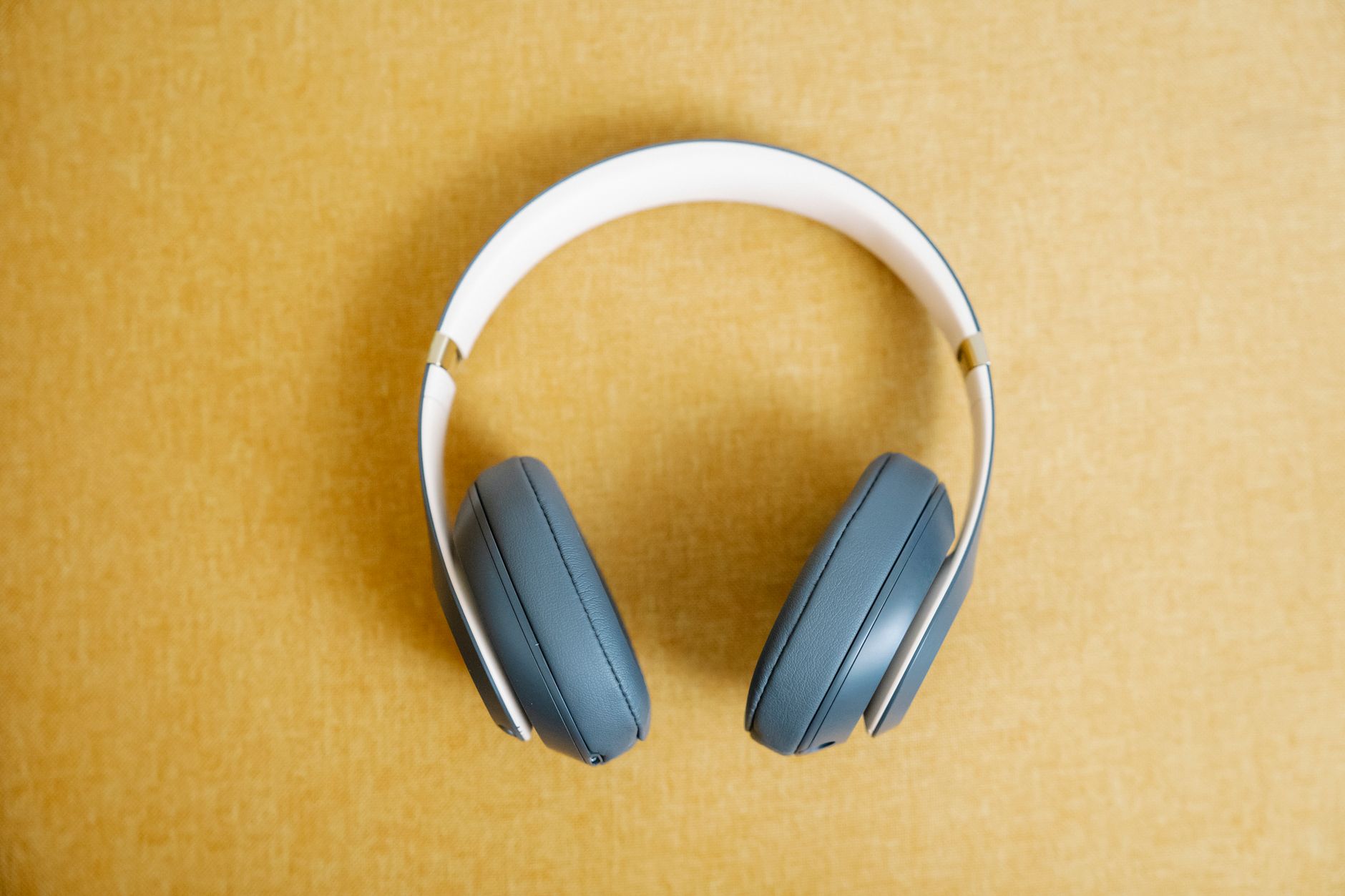
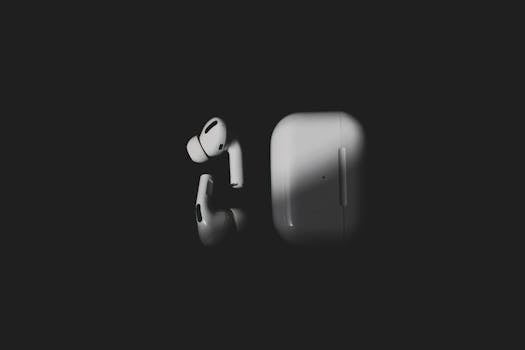 Photo: Jatin Jangid / Pexels
 Photo: Eren Li / Pexels
 Photo: Grzegorz Lewandowski / Pexels
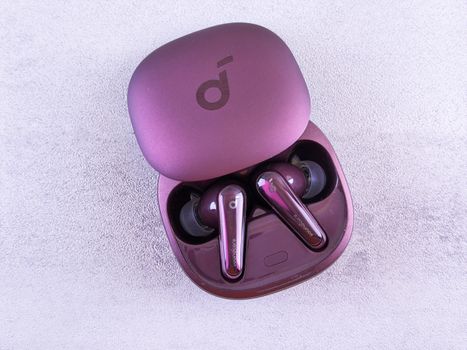 Photo: Andrey Matveev / Pexels