✓ Active Noise Cancellation (ANC) uses microphones to detect external sounds and generate anti-noise signals.
✓ Battery life is crucial for long flights; aim for 20+ hours with ANC on.
✓ Comfort and portability are paramount for travel headphones.
✓ Sound quality, while subjective, should offer clear audio for music and calls.
How It Works
1
ANC Technology Decoded
Active Noise Cancellation (ANC) works by employing tiny microphones on the headphones to pick up ambient low-frequency noise. An internal chip then creates an inverted sound wave, effectively canceling out the unwanted external sound before it reaches your ear.
2
Passive Noise Isolation
Beyond ANC, good travel headphones also incorporate passive noise isolation. This involves the physical design of the earcups or ear tips, which create a seal around or inside your ear to block out higher-frequency sounds like chatter, complementing the ANC's low-frequency cancellation.
3
Wireless Connectivity
Most modern noise-cancelling headphones for travel utilize Bluetooth for wireless connection to your devices. This offers freedom of movement and eliminates tangled wires, though many still offer an auxiliary input for wired connections, especially useful on airplanes.
4
Battery Life Optimization
Efficient power management is key for travel. Manufacturers design these headphones to maximize battery life, often incorporating quick-charging features and sometimes even the ability to operate passively (without ANC) when the battery is depleted, ensuring continuous audio playback.
Why Noise Cancelling Headphones Are Essential for Modern Travel
Photo: Yusuf Çelik / Pexels
In our increasingly interconnected world, travel has become a staple of modern life, whether for business or leisure. However, with the convenience of global mobility comes the inevitable cacophony of airports, train stations, bustling city streets, and the droning engines of airplanes. This constant auditory assault isn't just an annoyance; it can contribute to stress, fatigue, and even impact your overall well-being, especially during long journeys. This is precisely where the best noise cancelling headphones for travel become not just a luxury, but an essential tool for any discerning traveler.
Imagine stepping onto a crowded flight, the engines roaring to life, babies crying, and fellow passengers chatting loudly. Instead of bracing for hours of discomfort, you simply slip on your headphones, activate the magic of Active Noise Cancellation (ANC), and suddenly, the world melts away. That persistent hum transforms into a gentle whisper, voices become muted, and you're left with a serene personal sanctuary. This isn't just about escaping noise; it's about reclaiming your peace, enhancing your focus, and arriving at your destination feeling refreshed rather than drained. Studies have shown that prolonged exposure to noise can elevate stress hormones and disrupt sleep patterns, both of which are detrimental when you're trying to adjust to new time zones or prepare for an important meeting. By significantly reducing ambient noise, these headphones create an environment conducive to relaxation, productivity, or simply enjoying your entertainment without distraction.
Beyond the obvious benefit of peace and quiet, noise cancelling headphones elevate your audio experience. When background noise is eliminated, your music, podcasts, or audiobooks gain clarity and depth that would otherwise be lost. You no longer need to crank up the volume to overcome external sounds, which is not only better for your hearing in the long run but also provides a more immersive listening experience. Furthermore, many premium models include features like transparency modes, allowing you to quickly tune back into your surroundings when needed, such as for flight announcements or conversations with flight attendants, without having to remove your headphones. This seamless transition between isolation and awareness adds another layer of practicality to their design. Investing in the best noise cancelling headphones for travel is, therefore, an investment in your comfort, your health, and the overall quality of your travel experience, transforming potentially stressful journeys into opportunities for relaxation and enjoyment. Explore more about how these technologies work in our guide to cutting-edge audio tech.
Key Features to Consider for Superior Travel Audio
Photo: cottonbro studio / Pexels
When searching for the best noise cancelling headphones for travel, it's crucial to look beyond just the 'noise cancelling' aspect. A truly superior travel audio experience hinges on a combination of features that cater specifically to the demands of being on the move. The first and perhaps most critical feature is the effectiveness of the Active Noise Cancellation (ANC). Not all ANC is created equal. Some headphones excel at blocking out low-frequency hums like airplane engines, while others also do a commendable job with mid-range sounds like human chatter. Look for headphones with adjustable ANC levels or adaptive ANC that can automatically adjust to your environment, offering a tailored quiet experience.
Battery life is another non-negotiable. For long-haul flights or extended trips, you'll want headphones that can last for at least 20-30 hours with ANC activated. Quick charging capabilities are also a huge plus, allowing you to get several hours of playback from a short 10-15 minute charge – perfect for a last-minute power boost at the airport. Many models also offer the option to use them wired even when the battery dies, ensuring you're never without audio. Comfort is paramount, especially for prolonged wear. Over-ear headphones should have plush earcups that fully encompass your ears without exerting excessive pressure, and a well-padded, adjustable headband. If you prefer in-ear models, look for a variety of ear tip sizes to ensure a secure and comfortable fit that also aids in passive noise isolation. The overall weight of the headphones also plays a significant role in long-term comfort.
Portability and durability are equally important. Travel headphones should ideally fold flat or collapse into a compact carrying case to save space in your luggage. The case itself should be robust enough to protect them from the rigors of travel. Materials used in construction should feel premium and withstand frequent use, as these headphones will likely be subjected to bumps and jostles. Sound quality, while often subjective, should not be overlooked. Even with excellent ANC, poor audio quality can detract from the experience. Look for headphones that offer a balanced sound profile, clear highs, rich mids, and a satisfying bass, suitable for various genres of music, podcasts, and movies. Finally, consider additional smart features like multi-device connectivity, intuitive controls (physical buttons or touch controls), voice assistant integration, and a reliable microphone for clear calls, which can be a lifesaver for business travelers. These combined elements contribute to a truly premium and practical travel audio companion.
Top Contenders: The Best Noise Cancelling Headphones for Travel
Photo: Andrea Piacquadio / Pexels
When it comes to identifying the best noise cancelling headphones for travel, several brands consistently rise to the top, each offering a unique blend of features, performance, and price points. Our expert analysis focuses on models that excel in ANC efficacy, comfort, battery life, and overall sound quality, making them ideal companions for any journey. Leading the pack are often models like the Bose QuietComfort series and Sony WH-1000XM series. Bose has long been synonymous with industry-leading noise cancellation, providing an almost eerie silence that truly transforms noisy environments. Their headphones are renowned for their lightweight design and supreme comfort, making them perfect for long-haul flights where wearability is key. While their sound profile is often described as balanced and pleasing, their primary strength remains their unparalleled ANC.
Sony, on the other hand, has carved out its own niche with the WH-1000XM series, which often rivals or even surpasses Bose in terms of ANC performance, particularly with higher-frequency noises. Sony's headphones are celebrated for their exceptional audio quality, offering a more dynamic and bass-rich sound that audiophiles often prefer. They also pack a punch with intelligent features like adaptive sound control, speak-to-chat functionality, and impressive battery life, often exceeding 30 hours. These added smart features, coupled with their robust build and comfortable fit, make them a compelling choice for tech-savvy travelers. For those who prefer an in-ear form factor without compromising on noise cancellation, options like the Apple AirPods Pro 2 or Sony WF-1000XM5 earbuds offer surprisingly effective ANC in a much smaller package. These are excellent for travelers who prioritize portability and discretion, easily slipping into a pocket without the bulk of over-ear headphones. Their compact size doesn't prevent them from delivering strong audio performance and useful features like transparency modes.
Beyond these premium titans, there are also excellent mid-range and budget-friendly options that still deliver a commendable noise-cancelling experience. Brands like Sennheiser, Anker Soundcore, and JBL have introduced headphones that offer significant ANC capabilities and great value for money. While they might not achieve the absolute silence of a Bose or Sony, they significantly reduce travel noise, making them a fantastic choice for the occasional traveler or those on a tighter budget. When evaluating these top contenders, consider your personal priorities: is ultimate silence your goal, or is a rich audio experience more important? Do you prioritize portability, or is over-ear comfort non-negotiable? Understanding these preferences will guide you to the perfect pair of headphones that will make your next trip genuinely enjoyable. For a deeper dive into audio technology, check out our insights on innovations in sound.
Maximizing Your Travel Comfort: Tips and Common Mistakes
To truly get the most out of your best noise cancelling headphones for travel, a few tips can enhance your experience, while avoiding common mistakes can prevent disappointment. First, always charge your headphones fully before any significant journey. While many offer quick charging, a full battery ensures uninterrupted peace, especially on international flights. Consider carrying a small portable power bank as a backup, just in case. Secondly, experiment with the fit. For over-ear headphones, ensure the earcups completely seal around your ears without leaving gaps, as this significantly impacts both ANC and passive noise isolation. For earbuds, try all the included ear tips to find the size that provides the best seal and comfort. A poor seal can drastically reduce the effectiveness of noise cancellation.
**Tips for an Enhanced Experience:**
* **Download content offline:** Before your flight, download movies, music, and podcasts. This ensures you have entertainment even without Wi-Fi and avoids streaming issues.
* **Use the right cables:** For in-flight entertainment systems, you'll often need a 3.5mm audio cable, and sometimes a two-pronged airplane adapter. Check if your headphones come with these or purchase them separately.
* **Utilize transparency modes:** Many premium headphones offer a 'transparency' or 'ambient sound' mode. This allows you to hear your surroundings without removing your headphones, perfect for announcements or quick conversations.
* **Protect your investment:** Always use the provided carrying case. This not only protects your headphones from physical damage but also keeps them clean and organized in your bag.
* **Clean regularly:** Earwax and dust can accumulate, affecting sound quality and hygiene. Gently wipe earcups and ear tips with a soft, dry cloth.
**Common Mistakes to Avoid:**
* **Forgetting to turn off ANC:** While powerful, ANC consumes battery. If you're not actively listening or need to conserve power, turn it off.
* **Not using the correct ear tips:** For earbuds, the wrong size can lead to poor sound, discomfort, and ineffective noise cancellation.
* **Expecting complete silence:** While incredibly effective, ANC reduces noise, it doesn't eliminate it entirely. High-frequency, sudden sounds might still penetrate slightly.
* **Overlooking comfort for features:** A headphone with all the bells and whistles is useless if it's uncomfortable after an hour. Prioritize comfort for long journeys.
* **Ignoring firmware updates:** Manufacturers often release updates that improve ANC performance, sound quality, and battery life. Keep your headphones updated.
Comparison
Feature
Sony WH-1000XM5
Bose QuietComfort Ultra
Apple AirPods Pro 2
ANC Performance
Excellent (Adaptive)
Excellent (World-class)
Very Good (Adaptive)
Battery Life (ANC on)
30 hours
24 hours
6 hours (30 with case)
Comfort
Very High
Exceptional
High (In-ear)
Sound Quality
Dynamic, Bass-rich
Balanced, Clear
Balanced, Spatial Audio
Portability
Foldable
Foldable
Pocket-sized
Microphone Quality
Excellent
Very Good
Excellent
Transparency Mode
✓
✓
✓
Wired Option
✓
✓
✗
What Readers Say
★★★★★
"These Bose QuietComfort headphones are a game-changer for my business travel. The noise cancelling on planes is incredible, making long flights so much more bearable. I can actually focus or just relax in peace now."
Sarah J. · Austin, TX
★★★★★
"The Sony WH-1000XM5s are simply the best noise cancelling headphones for travel. The sound quality is phenomenal, and the ANC silences everything from train commutes to bustling airport gates. Worth every penny for a peaceful journey."
Mark D. · Chicago, IL
★★★★★
"I used to dread red-eye flights, but with my new AirPods Pro 2, I can actually sleep! The noise cancelling is surprisingly effective for earbuds, and they're so compact for my carry-on. Total travel essential now."
Emily R. · Seattle, WA
★★★★★
"The Anker Soundcore Q45 offers fantastic noise cancellation for its price point. While not quite as silent as the premium brands, it significantly cuts down engine noise and chatter, making my road trips much more enjoyable. Great value."
David L. · Miami, FL
★★★★★
"As a remote worker who travels constantly, my noise cancelling headphones are crucial for productivity. They allow me to create a quiet office anywhere – from a coffee shop to an airport lounge. My productivity has soared."
Jessica M. · Denver, CO
Frequently Asked Questions
What is the primary benefit of noise cancelling headphones for travel?
The primary benefit is the ability to significantly reduce or cancel out ambient noise, such as airplane engines, train hums, and crowd chatter. This creates a peaceful environment for relaxation, sleep, or focused work, leading to a more comfortable and less stressful travel experience.
Will noise cancelling headphones block out all sounds?
No, while highly effective, noise cancelling headphones primarily target low-frequency, constant noises. They will significantly reduce, but not completely eliminate, all sounds, especially sudden, high-frequency noises or human voices. However, the reduction is substantial enough to make a remarkable difference.
How do I choose between over-ear headphones and earbuds for travel?
Over-ear headphones typically offer superior noise cancellation and longer battery life, along with greater comfort for extended wear. Earbuds, while more portable and discreet, may offer slightly less ANC and shorter battery life per charge, though their charging cases extend total listening time. Your choice depends on your priority for comfort versus portability.
Are expensive noise cancelling headphones really worth it for travel?
For frequent travelers, the investment in premium noise cancelling headphones is often considered well worth it. They offer superior ANC, better sound quality, enhanced comfort for long periods, and more advanced features like adaptive listening modes and longer battery life, significantly improving the overall travel experience.
How do active noise cancelling (ANC) headphones compare to passive noise isolating headphones?
Passive noise isolating headphones rely solely on physical barriers (like earcups or ear tips) to block sound. ANC headphones actively generate an 'anti-noise' sound wave to cancel out external noise, primarily low frequencies. ANC is generally far more effective at creating quiet, especially in noisy environments like airplanes.
Who should definitely consider investing in the best noise cancelling headphones for travel?
Anyone who frequently travels by air, train, or bus, or who finds themselves in noisy environments often. Business travelers needing to work on the go, leisure travelers seeking relaxation, and individuals sensitive to noise will find these headphones invaluable for reducing stress and enhancing their journey.
Is there any health risk associated with using noise cancelling headphones regularly?
When used responsibly, noise cancelling headphones pose no inherent health risk. In fact, by reducing the need to increase volume to overcome external noise, they can help protect your hearing. Ensure you maintain a moderate listening volume and take breaks, just as you would with any audio device.
What future trends can we expect in travel noise cancelling headphones?
Expect advancements in AI-driven adaptive ANC that precisely target and eliminate specific noises, even better battery efficiency and faster charging, more seamless integration with smart assistants, and potentially even more compact designs without sacrificing performance. Personalized sound profiles and health monitoring features might also become more common.
Ready to transform your travels? Explore our top recommendations and find the best noise cancelling headphones for travel that fit your style and budget. Say goodbye to travel noise and hello to serene journeys starting today!
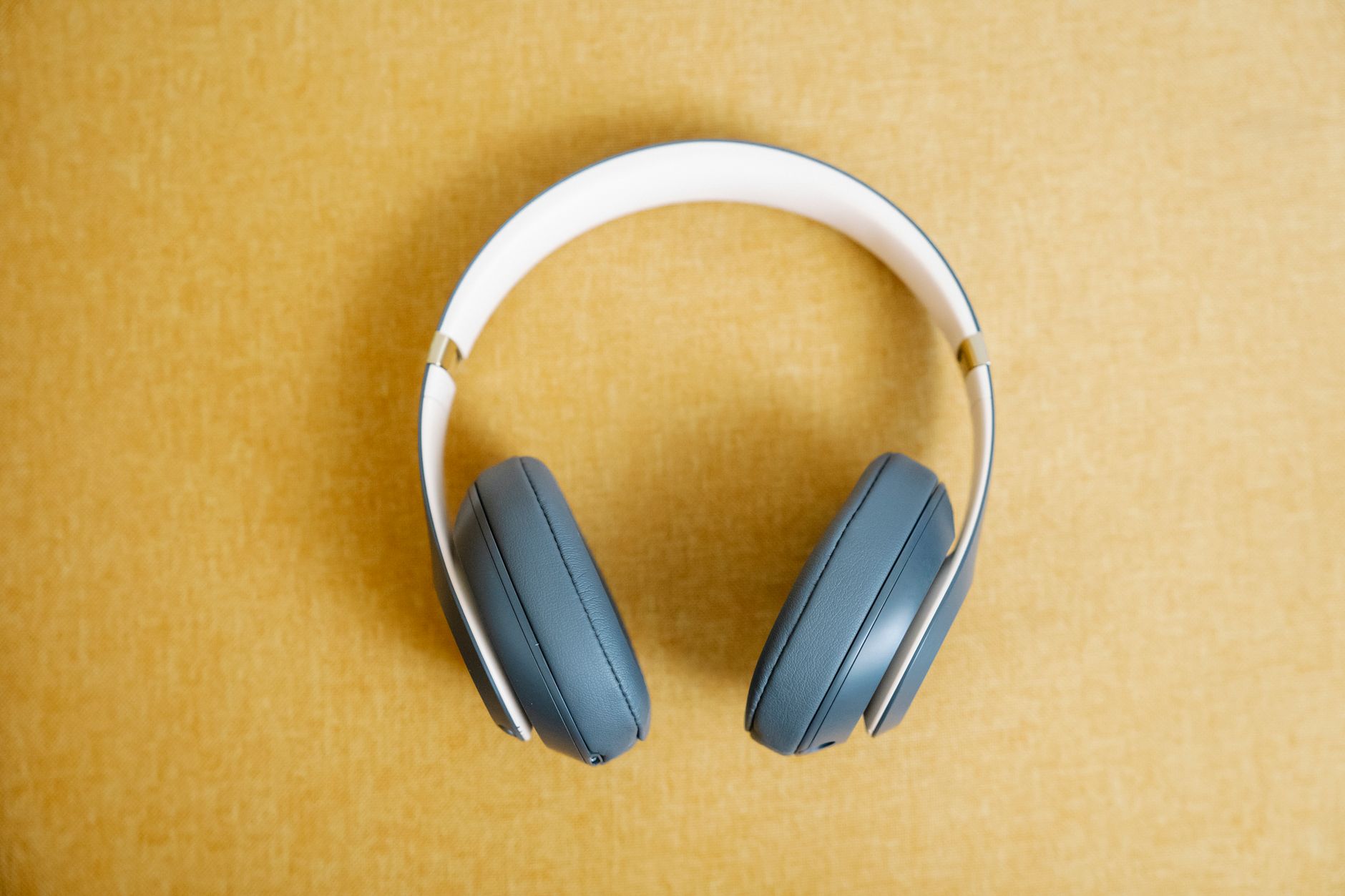
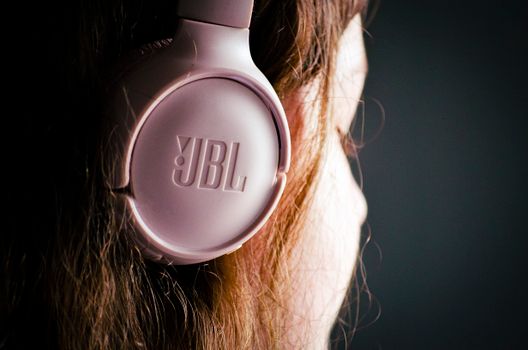 Photo: Yusuf Çelik / Pexels
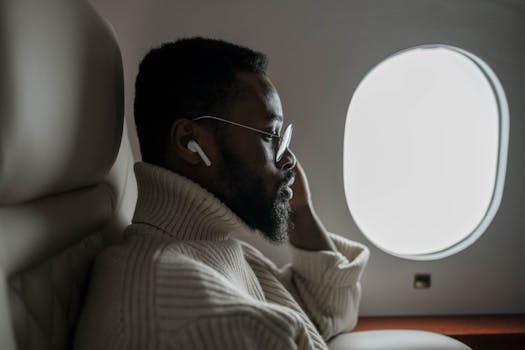 Photo: cottonbro studio / Pexels
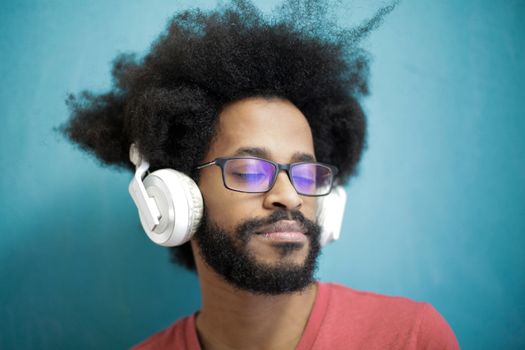 Photo: Andrea Piacquadio / Pexels
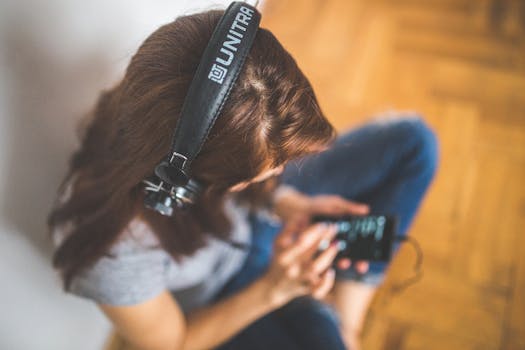 Photo: Karolina Grabowska www.kaboompics.com / Pexels