
What are the Benefits of 5G Internet? Your Ultimate Guide
benefits of 5G internet

What are the Benefits of 5G Internet? Your Ultimate Guide

Experience unprecedented speed, reliability, and transformative potential with the next generation of wireless technology.

Discover 5G's Power

Key Takeaways

  • ✓ 5G offers theoretical peak speeds of up to 10 Gigabits per second (Gbps), significantly faster than 4G.
  • ✓ Latency with 5G can be as low as 1 millisecond (ms), crucial for real-time applications.
  • ✓ 5G supports a much higher device density, connecting up to 1 million devices per square kilometer.
  • ✓ Enhanced Mobile Broadband (eMBB), Ultra-Reliable Low-Latency Communications (URLLC), and Massive Machine Type Communications (mMTC) are 5G's core service types.

How It Works

1
Utilizes Millimeter Wave (mmWave)

5G leverages higher frequency bands, particularly mmWave, which allows for much larger bandwidth and thus faster speeds. While mmWave has limited range, it's ideal for dense urban areas and specific applications.

2
Employs Massive MIMO (Multiple-Input Multiple-Output)

Massive MIMO uses an array of antennas at the base station to send and receive more data simultaneously. This technique significantly improves network capacity and spectral efficiency, serving multiple users at once.

3
Introduces Beamforming Technology

Beamforming directs wireless signals precisely to individual users, rather than broadcasting them broadly. This focused approach reduces interference, improves signal quality, and extends range for specific connections.

4
Implements Network Slicing

Network slicing allows operators to create multiple virtual networks on a single physical 5G infrastructure. Each 'slice' can be optimized for specific applications, such as IoT, autonomous vehicles, or consumer broadband, with tailored performance characteristics.

Unleashing Blazing Speeds and Unprecedented Bandwidth
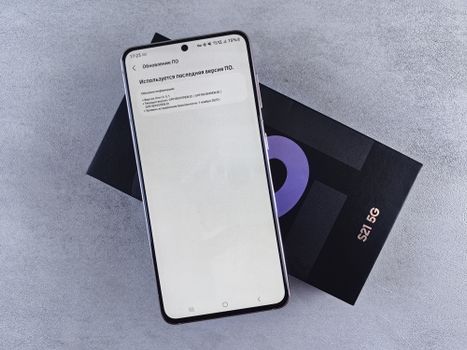
A smartphone on a box showing a software update screen, creating a tech-focused scene. Photo: Andrey Matveev / Pexels
When we talk about what are the benefits of 5G internet, speed is often the first and most compelling advantage that comes to mind. 5G promises, and in many areas delivers, theoretical peak speeds up to 10 Gigabits per second (Gbps). To put that into perspective, this is up to 100 times faster than 4G LTE and significantly surpasses most fiber optic home internet connections available today. Imagine downloading a full-length 4K movie in mere seconds, or an entire video game in minutes, not hours. This isn't just about faster downloads for individual users; it's about a fundamental shift in how data is transmitted and consumed across entire networks. The sheer increase in bandwidth means more data can be moved simultaneously, reducing congestion and improving overall network performance, even in heavily trafficked areas like stadiums or concert venues. For businesses, this translates into quicker cloud access, faster file transfers between distributed teams, and the ability to process massive datasets in real-time, fueling advancements in AI and machine learning. Content creators can upload high-resolution video and large design files almost instantaneously, dramatically shortening production cycles. The enhanced mobile broadband (eMBB) capabilities of 5G enable experiences that were previously confined to wired connections, offering a truly 'fiber-like' experience wirelessly. This immense capacity also lays the groundwork for future innovations that require constant, high-volume data streams, such as advanced virtual reality (VR) and augmented reality (AR) applications that demand minimal lag and maximum throughput. The ability to handle such vast amounts of data simultaneously opens doors for smart cities, where countless sensors and devices need to communicate constantly without bottlenecking the network. Understanding 5G technology is key to appreciating these speed gains. This isn't just an incremental upgrade; it's a quantum leap that redefines what's possible in mobile connectivity. From streaming multiple high-definition videos simultaneously on a single device without buffering to enabling seamless, real-time collaboration across vast distances, 5G's speed and bandwidth are foundational to its transformative potential. It's not just about doing current tasks faster, but enabling entirely new applications and services that were previously impossible due to network limitations.

Revolutionizing Responsiveness with Ultra-Low Latency

Focused gamers in a high-tech arena compete intensely, showcasing esports fervor. Photo: Alena Darmel / Pexels
Beyond raw speed, another critical factor when considering what are the benefits of 5G internet is its drastically reduced latency. Latency refers to the time delay between when a data signal is sent and when it is received. While 4G LTE typically has latency ranging from 50 to 100 milliseconds (ms), 5G aims for, and in many cases achieves, latency as low as 1 millisecond. This seemingly small difference has monumental implications across various sectors. For context, the human brain takes about 10-20 milliseconds to process visual information. A 1ms latency means that the network response is virtually instantaneous, making interactions feel real-time and seamless. This ultra-low latency is absolutely crucial for applications that demand immediate feedback and precision. Think about autonomous vehicles: a car needs to react to sudden changes in traffic or road conditions in fractions of a second. If a vehicle needs to communicate with other cars, traffic signals, or central systems, even a slight delay could have severe consequences. With 5G, these vehicles can communicate almost instantly, enabling advanced safety features and coordinated maneuvers that were previously impossible. Similarly, in remote surgery, a surgeon operating on a patient thousands of miles away requires the robotic instruments to respond without any perceptible delay. 5G's low latency makes this a viable and safe option, expanding access to specialized medical care globally. For gamers, particularly those involved in competitive online gaming, low latency translates to a significant advantage. The difference between winning and losing can often come down to milliseconds, and 5G virtually eliminates network-induced lag. Industrial automation and the Internet of Things (IoT) also benefit immensely. Factories can deploy robots that communicate and coordinate in real-time, leading to more efficient production lines and fewer errors. Smart infrastructure, such as responsive traffic lights or utility grids, can react to changing conditions instantaneously, optimizing resource allocation and preventing outages. The concept of 'tactile internet,' where users can experience touch and control devices remotely with immediate haptic feedback, becomes a reality with 5G's ultra-low latency. This responsiveness transforms not just how we consume information but how we interact with the physical world through connected devices, paving the way for truly intelligent environments and systems.

Empowering Massive Connectivity and Network Slicing
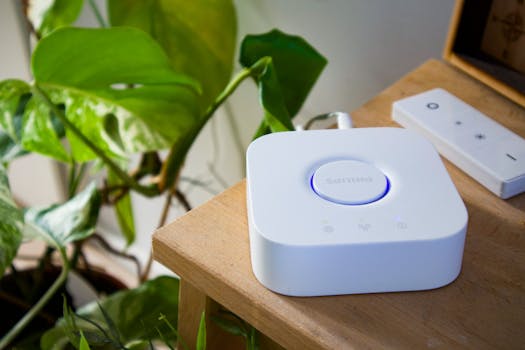
Philips smart hub beside a leafy plant in a stylish indoor setting, showcasing modern home automation. Photo: Pascal 📷 / Pexels
The ability to connect a staggering number of devices simultaneously is another cornerstone of what are the benefits of 5G internet. 5G is designed to support up to 1 million devices per square kilometer, a massive increase compared to 4G's capacity. This feature, known as Massive Machine Type Communications (mMTC), is fundamental for the proliferation of the Internet of Things (IoT). Imagine a smart city where every lamppost, waste bin, parking meter, and public transport vehicle is equipped with sensors constantly collecting and transmitting data. Or a smart factory with thousands of sensors monitoring every aspect of the production process, from machine health to environmental conditions. Without 5G's immense capacity, such extensive deployments would overwhelm existing networks, leading to congestion and unreliable performance. 5G ensures that all these devices can communicate effectively and efficiently, enabling truly smart and responsive environments. Furthermore, 5G introduces a revolutionary concept called network slicing. This allows mobile network operators to create multiple independent, virtual networks on top of the same physical 5G infrastructure. Each 'slice' can be customized with specific performance characteristics, such as guaranteed bandwidth, ultra-low latency, or enhanced security, tailored to the unique needs of different applications. For instance, an autonomous vehicle service might require a slice with extremely low latency and high reliability, while a smart home security system might need a slice optimized for massive connectivity and low power consumption. A media company streaming live events might get a slice with dedicated high bandwidth. This flexibility means that resources can be allocated precisely where and when they are needed, optimizing network performance and efficiency. It also enables new business models for operators, allowing them to offer specialized services to vertical industries. Network slicing isolates different traffic types, preventing one application from impacting the performance of another, even during peak usage. This level of customization and resource management is a game-changer for businesses and developers, enabling them to build and deploy applications with guaranteed network performance, fostering innovation across a multitude of industries. The combination of massive connectivity and network slicing makes 5G not just a faster network, but a highly intelligent and adaptable infrastructure, capable of supporting the diverse and demanding requirements of the digital future. Explore the future of smart cities with 5G and see how this connectivity transforms urban living.

Enhanced Reliability and Transformative Applications

Explore the vibrant skyline of Shenzhen at night, showcasing illuminated skyscrapers and a bustling cityscape. Photo: ainc T / Pexels
Beyond speed, latency, and capacity, the inherent reliability of 5G networks stands out as a significant advantage. 5G is engineered for ultra-reliable low-latency communications (URLLC), meaning it's designed to maintain consistent connections with minimal packet loss, even in challenging environments. This reliability is paramount for mission-critical applications where network failure is simply not an option. Consider public safety communications, emergency services, or critical infrastructure monitoring; 5G provides the robust backbone necessary for these operations. This also translates to a more stable and consistent user experience for everyday tasks, reducing dropped calls and buffering during streaming. The sum of these core benefits – speed, ultra-low latency, massive connectivity, and enhanced reliability – unlocks a plethora of transformative applications across virtually every sector. Here are some key areas where 5G is making a profound impact: * **Smart Cities:** 5G enables interconnected urban environments with intelligent traffic management, smart streetlights, environmental monitoring, and efficient public services, all powered by real-time data from countless sensors. * **Autonomous Vehicles:** With near-instant communication between vehicles, infrastructure, and central systems, 5G is crucial for the safety and efficiency of self-driving cars, enabling coordinated movements and immediate hazard detection. * **Healthcare:** Remote surgery, real-time patient monitoring, virtual consultations, and rapid data transfer for medical imaging become more viable and effective with 5G's capabilities, expanding access to care and improving outcomes. * **Industrial Automation (Industry 4.0):** Factories can deploy fully automated, interconnected robotic systems that communicate instantly, optimizing production lines, predictive maintenance, and supply chain management. * **Augmented Reality (AR) and Virtual Reality (VR):** High bandwidth and low latency are essential for immersive AR/VR experiences, from interactive training simulations to truly engaging entertainment and remote collaboration tools. * **Enhanced Mobile Broadband (eMBB):** For the average consumer, this means superior streaming quality, faster downloads, seamless cloud gaming, and a consistently responsive mobile internet experience, even in crowded areas. These applications represent just the tip of the iceberg. As 5G infrastructure continues to expand and evolve, we will see even more innovative uses emerge, fundamentally changing how we live, work, and interact with the world around us. The robust and versatile nature of 5G positions it as the foundational technology for the next wave of digital transformation, making it much more than just a faster internet connection.

Comparison

Feature5G4G LTEWi-Fi 6
Theoretical Peak SpeedUp to 10 GbpsUp to 100 Mbps - 1 GbpsUp to 9.6 Gbps
Latency1 ms50-100 ms2-10 ms (local network)
Device Density1 Million devices/km²100,000 devices/km²Hundreds (local network)
MobilityExcellent (cellular)Good (cellular)Limited (local area)
Network Slicing
Primary Use CaseMobile, IoT, Critical AppsMobile, Consumer BroadbandLocal Area Networks

What Readers Say

"The benefits of 5G internet are truly incredible for my work. I can upload huge video files to the cloud in minutes, which used to take me half an hour on 4G. It's a game-changer for my productivity."

Sarah J. · Austin, TX

"I was skeptical, but the low latency of 5G has made a huge difference in my online gaming. No more frustrating lag spikes, just smooth, responsive gameplay. Definitely one of the best benefits of 5G internet."

Mark D. · Seattle, WA

"Our smart home devices now respond instantly, and streaming 4K content is flawless, even with multiple users. The enhanced reliability is a clear benefit of 5G internet, making our connected life much smoother."

Emily R. · Miami, FL

"While the speeds are fantastic where I get a strong signal, coverage can still be a bit spotty in some suburban areas. However, when it works, the benefits of 5G internet are undeniable, especially for downloads."

David K. · Denver, CO

"As a developer working on AR applications, the low latency and high bandwidth of 5G are absolutely essential. It allows for truly immersive experiences that weren't possible before, proving the immense benefits of 5G internet for innovation."

Jessica L. · New York, NY

Frequently Asked Questions

What is the biggest advantage of 5G internet over 4G?

The biggest advantage of 5G internet over 4G is its combination of significantly higher speeds (up to 10 Gbps), ultra-low latency (as low as 1 ms), and massive capacity for connecting many more devices. This trifecta enables entirely new applications and vastly improves existing ones, unlike the incremental gains seen with 4G.

Is 5G available everywhere in the US?

No, 5G is not yet available everywhere in the US. While major carriers have expanded their 5G networks considerably, coverage is still primarily concentrated in urban and suburban areas. Rural areas often have more limited or no 5G access, with rollout continuing to be an ongoing process.

How do I get 5G internet?

To get 5G internet, you need a 5G-compatible device (like a smartphone or a 5G home internet router) and a service plan from a carrier that offers 5G in your area. Simply check your carrier's coverage map and ensure your device supports the specific 5G bands they use.

Is 5G more expensive than 4G?

Initially, some 5G plans were more expensive or required premium tiers. However, as 5G becomes more widespread, many carriers are including 5G access in their standard unlimited plans at no extra cost, making it increasingly accessible and comparable in price to 4G plans for consumers.

How does 5G compare to fiber optic internet?

5G offers comparable speeds to many fiber optic connections, especially for mobile devices. The key difference is mobility; 5G provides wireless connectivity, while fiber is a wired solution. For fixed home internet, fiber often offers more consistent speeds and lower latency than current 5G home internet, though 5G is rapidly closing that gap.

Who benefits most from 5G internet?

Everyone benefits from 5G internet, but some groups gain more immediately. Gamers, remote workers, businesses leveraging IoT or AI, smart city planners, and those in industries like healthcare and manufacturing will see the most transformative benefits due to 5G's speed, low latency, and massive connectivity features.

Are there any health risks associated with 5G?

Extensive research by organizations like the World Health Organization (WHO) and the FCC has consistently found no credible evidence that 5G technology, operating within established safety guidelines, poses any health risks to humans. The frequencies used are non-ionizing, meaning they don't damage DNA.

What is the future potential of 5G beyond current applications?

Beyond current applications, 5G's future potential includes truly immersive holographic communication, widespread deployment of fully autonomous transportation networks, advanced remote-controlled robotics for dangerous environments, and the creation of digital twins for entire cities or industrial complexes for real-time monitoring and simulation.

Embrace the future of connectivity. Understanding what are the benefits of 5G internet is the first step towards unlocking its full potential for your personal and professional life. Explore 5G plans and devices today to experience unprecedented speeds and transformative possibilities.

Topics: benefits of 5G internet5G speed advantages5G latency reduction5G use casesfuture of 5G
Leo List
Brampton weed
Adultwork EstrelaBet Vai de Bet R7 Bet Betão Galera Bet Rainbet Bet9ja Shop SportyBet BetKing Sisal Loto Foot Hollywoodbets YesPlay Odibets RushBet Jugabet BetWarrior BetCity MSport betPawa Fortebet